Is Annapurna Base Camp Trek Safe for Solo Female Trekkers?
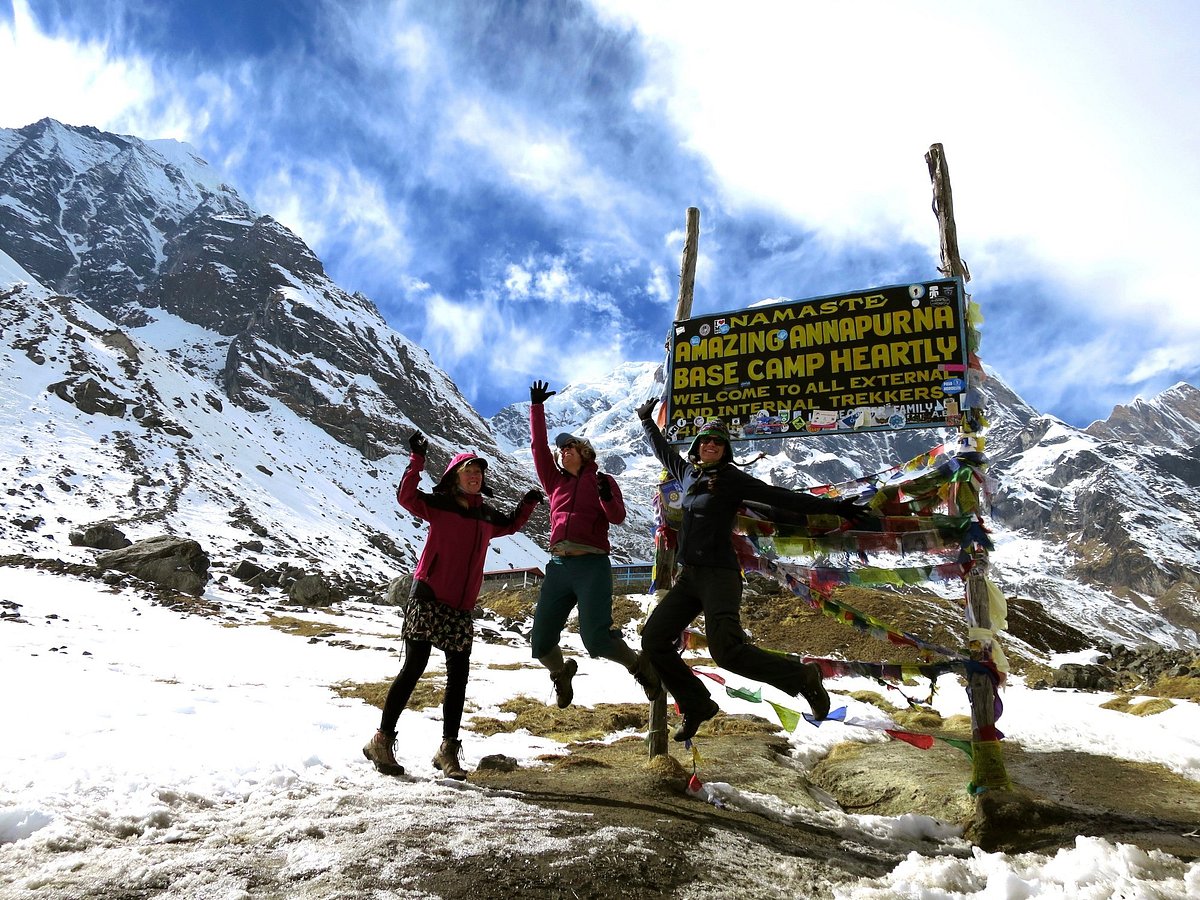
Trekking to Annapurna Base Camp as a solo female traveler raises one clear question: Is it actually safe? Not in theory but on the ground, day by day, in the mountains of Nepal.
Annapurna Base Camp is one of Nepal’s most popular trekking routes, with a network of villages, regular teahouse stops, and consistent visitor traffic that together help reduce isolation on the trail. This makes personal security concerns harassment or theft far less common than many expect, and weather and altitude are the issues most experienced trekkers watch closely.
The Nepal Tourism Board (NTB) the government agency responsible for trekking policy and regulations notes that solo trekkers must carry the appropriate permits and comply with local rules before entering protected trekking zones like Annapurna Conservation Area. These permits are part of how authorities monitor and support trekkers in remote regions of the country.
That doesn’t mean preparation isn’t important. “Safety” in the Himalayas depends on understanding the route, knowing the real risks, and making smart choices.
In this article, we break down what solo female trekkers should expect on the Annapurna Base Camp trek from real risks to practical safety planning so you can prepare with confidence.
Why Solo Female Trekkers Worry About Safety in Nepal (And Why That’s Valid)
Yes, concerns about safety for a solo female trekker in Nepal are understandable, but most of these worries come from practical travel considerations, not frequent danger. When you’re preparing for a long trek like Annapurna Base Camp, it’s normal to think about personal safety, cultural differences, and the remoteness of the trail.
One reason women worry is the perception of harassment or unsafe encounters in a foreign culture. In reality, Nepal’s trekking regions especially the Annapurna Base Camp route are used by thousands of trekkers each year, including solo women, and locals are generally respectful and welcoming. Many female trekkers report that trail communities are supportive and sociable, making the trek feel secure.
Another concern is the remote mountain environment. Nepal’s high-altitude terrain, long walking days, and changing weather present real physical challenges that are the same for all trekkers, regardless of gender. These factors altitude sickness, cold, and rugged paths are more significant than personal safety issues.
Finally, cultural unfamiliarity can feel intimidating before arrival. Understanding basic local norms like dressing modestly and interacting respectfully with communities helps reduce anxiety and enhances safety.
In short, these concerns are valid preparatory questions, but they are best addressed through planning and awareness rather than worry. Solo trekking in Nepal is widely possible and safe when done with preparation and respect for local conditions.
Annapurna Base Camp Trek Overall Safety Record
Yes, the Annapurna Base Camp (ABC) trek has one of the strongest safety records among high-altitude treks in Nepal, mainly because it is busy, well supported, and closely monitored. It is not risk-free, but it is far safer than many people expect when they first research trekking in Nepal.
Annapurna Base Camp is one of the most trekked routes in the country, attracting thousands of international visitors every year. This steady flow of trekkers means you are rarely alone on the trail, especially during spring and autumn, which adds an important layer of safety for solo female trekkers. The route is clearly defined and regularly used, reducing the risk of navigation mistakes that are common on quieter trails.
Another key safety factor is the dense tea house network. Villages such as Ghorepani, Chhomrong, and Bamboo provide frequent places to rest, stay overnight, and get local advice. Lodge owners are used to hosting solo female trekkers and often keep an informal watch over guests, which creates a strong community safety net along the route.
The trek also runs through the Annapurna Conservation Area, where trekking activity is regulated and monitored. Combined with local guides, lodge operators, and regular trail use, this helps ensure problems are noticed quickly when they arise.
Taken together high foot traffic, reliable accommodation, and local oversight the Annapurna Base Camp trek is safer than it appears on paper, especially when compared with more remote Himalayan routes
Is Annapurna Base Camp Safe for Women Traveling Alone?
Yes, Annapurna Base Camp is generally safe for women traveling alone, especially on the main trekking route where villages, tea houses, and other trekkers are present every day. Safety on the ABC trail is shaped more by how popular and well-supported the route is than by gender.
Personal Safety on the Trail (Harassment & Crime Reality)
Harassment on the Annapurna Base Camp trail is rare, particularly on the established sections between villages. The route is busy during trekking seasons, and you are rarely walking in isolation for long. Most reported safety concerns in Nepal occur in cities, not on mountain trails, where tourism is the main source of income.
Crime on the trail is very uncommon. Villages along the route depend on trekkers, which creates strong social responsibility toward guests. Tea house owners, guides, and locals tend to look out for travelers, and unusual behavior is quickly noticed. Well-known trekking resources consistently note that serious incidents involving solo female trekkers on the ABC route are uncommon, with altitude and weather being far more frequent challenges than personal safety.
Cultural Attitudes Toward Solo Female Trekkers in Nepal
Nepalese culture in rural trekking areas is conservative but respectful. Solo female trekkers are a common sight on the Annapurna Base Camp route, and locals are used to hosting women traveling independently from around the world.
Simple awareness helps. Dressing modestly in villages, being polite, and following local customs reduce unwanted attention and make interactions smoother. Tea house owners are often protective of their guests, especially women staying alone, and many keep an informal watch to ensure trekkers arrive safely before nightfall.
Taken together, the steady presence of trekkers, supportive local communities, and familiar cultural patterns make Annapurna Base Camp a safe and welcoming trek for women traveling alone when approached with basic awareness and preparation.
Nepal Trekking Rules Can Solo Female Trekkers Trek ABC Without a Guide?
No, as of current Nepal trekking regulations, foreign trekkers cannot legally trek Annapurna Base Camp entirely on their own without a licensed guide and proper permit support. This rule applies across major trekking regions, including Annapurna, and affects how solo planning must be done.
To trek to Annapurna Base Camp, you must carry:
- ACAP (Annapurna Conservation Area Permit) mandatory for entry into the region
- TIMS card used to register trekkers and track movements on the trail
These permits are checked at entry and exit points along the route.
In recent years, Nepal’s tourism authorities announced that foreign trekkers should be accompanied by a licensed guide arranged through a registered trekking agency. The intent is to reduce accidents, improve emergency response, and ensure trekkers are properly accounted for in remote areas.
That said, the practical reality on the Annapurna Base Camp trail is mixed. ABC is a busy, well-developed route, and enforcement has not always been consistent compared to remote regions like Manaslu or Upper Dolpo. Some trekkers still walk independently, but this can change without notice, and relying on inconsistent enforcement carries risk.
What “solo” means today on the ABC trek
- Can trek as a solo female traveler with your own guide
- Manage your own itinerary and pace
- Are not part of a large group
- Remain compliant with permits and local rules
In short, solo female trekkers can absolutely trek Annapurna Base Camp, but “solo” now usually means independently planned, not unsupported. Following the rules avoids permit issues and adds a safety layer in the mountains, where help matters most.
Trekking Solo vs Trekking With a Guide What’s Safer for Women?
Trekking with a licensed local guide is generally safer for women on the Annapurna Base Camp trek than trekking fully alone. This is not about limiting independence it’s about reducing avoidable risks on a high-altitude mountain route.
Trekking Fully Independent (Pros & Risks)
Trekking independently gives you full control over your pace and daily plan. Many experienced hikers value this freedom, especially on a popular route like Annapurna Base Camp.
The risks, however, are practical and well-documented:
Navigation issues can happen during fog, snowfall, or when trail signs are unclear, especially above villages.
Language barriers may make it harder to explain health concerns or understand local advice in smaller settlements.
Emergency response is slower when you are alone. Managing altitude sickness, injury, or evacuation without local support can be difficult in the mountains.
Several Nepal trekking resources note that most serious problems on ABC involve altitude or weather, not crime, but handling these alone requires experience and quick decision-making.
Trekking With a Licensed Local Guide (Why Many Solo Women Choose This)
Many solo female trekkers choose to walk with a guide because it adds a safety layer without removing independence.
A licensed guide helps by:
Anticipating risks such as weather changes, trail conditions, and altitude-related symptoms
Acting as a cultural and language bridge in villages and checkpoints
Conducting daily health checks and adjusting pace when needed
Making logistics simpler so trekkers can focus on the walk
On the Annapurna Base Camp route, small-group or private treks are common, which many women find comfortable and reassuring. This is one reason we, Himalayan Friendly, are often chosen by solo female trekkers looking for local knowledge and steady support rather than group-style trekking.
Nepal’s tourism authorities have also encouraged guided trekking in recent years to improve safety monitoring on mountain routes.
Real Risks on the Annapurna Base Camp Trek (What You Actually Need to Watch Out For)
Yes, the real risks on the Annapurna Base Camp trek are altitude and weather, not personal safety. This is true for all trekkers, including solo women, and knowing these risks in advance is what keeps the trek safe.
Altitude Sickness (The Biggest Risk for Solo Trekkers)
Annapurna Base Camp sits at 4,130 meters, which is high enough for altitude sickness to occur if you gain elevation too fast. While this is lower than Everest Base Camp (5,364 meters), altitude-related issues are still common on ABC when trekkers rush their itinerary.
Altitude sickness usually starts above 2,500 meters, and fitness does not prevent it. The key factor is how quickly you climb and how well you rest.
Red-flag symptoms to watch for:
- Ongoing headache that doesn’t ease with rest
- Nausea or loss of appetite
- Dizziness or trouble walking steadily
- Shortness of breath while resting
- Poor sleep combined with other symptoms
- If symptoms worsen, the safest action is to stop ascending and descend.
- Weather, Trail Conditions & Seasonal Safety
Weather affects safety on the ABC trek more than gender.
Spring (March–May) and Autumn (September–November) offer the safest conditions, with stable weather and open tea houses.
Monsoon (June–August) brings heavy rain, slippery trails, and landslide risk, especially in lower sections.
Winter (December February) means cold temperatures, snow at higher elevations, and shorter daylight hours, which reduce flexibility if plans change.
Bottom line: Annapurna Base Camp is not dangerous by default. When trekked at the right pace and in the right season, altitude and weather risks stay manageable even for solo female trekkers.
Emergency Situations What Happens If Something Goes Wrong?
If something goes wrong on the Annapurna Base Camp trek, help is usually available and the response process is well established on this route. ABC is not a remote wilderness trek with no backup it has systems in place that work when needed.
Local response on the trail
Most situations are handled first by people already on the trail. Tea house owners, guides, and nearby trekkers are quick to step in if someone is unwell or injured. Villages and lodges are close together on the ABC route, so help is rarely far away. If a trekker does not arrive at a lodge by evening, it is common for locals to check the trail or alert others.
Health posts and hospitals
Minor issues can be treated at local health posts along the route. For anything more serious, trekkers are transferred to Pokhara, the main medical center for the Annapurna region. Pokhara has clinics and hospitals that regularly treat trekking-related cases, including altitude sickness and injuries.
Helicopter evacuation
For serious altitude sickness or injury, helicopter evacuation is the standard option. Helicopters fly from the trail to Pokhara when the weather allows. This system is commonly used
Why insurance matters
Evacuations are expensive and usually require proof of insurance before flight approval. Trekking insurance that covers high altitude and helicopter rescue is essential.
Why guides help in emergencies
Guides know who to call, how to describe symptoms clearly, and how to arrange transport quickly. This often shortens response time and reduces stress during emergencies.
Practical Safety Tips for Solo Female Trekkers on ABC
Yes, solo female trekkers can stay safe on the Annapurna Base Camp trek by following a few practical, well-proven habits used by experienced hikers on this route. These tips focus on real conditions on the trail, not assumptions.
- Start early each day. Morning weather is more stable, trails are busier, and you reach tea houses well before dark, reducing risk and fatigue.
- Avoid trekking after dark. Visibility drops quickly in the mountains, and temperatures fall fast. Most lodges expect trekkers to arrive by late afternoon.
- Carry a local SIM card. Ncell and NTC networks work in many villages on the ABC route, making it easier to contact lodges or request help if needed.
- Share your itinerary. Leave your daily plan with a lodge owner, guide, or family contact so someone knows where you’re heading each day.
- Acclimatize properly. The trek reaches 4,130 m, and the rushing increases the risk of altitude sickness. Build in rest days and listen to your body.
Source: Himalayan Rescue Association – https://www.himalayanrescue.org/ams/
- Trust your instincts. If the weather turns, you feel unwell, or a plan doesn’t feel right, stop or turn back. This is standard practice in the Himalayas.
- Keep essentials accessible. Carry water, snacks, a headlamp, basic medicine, and your phone in your daypack at all times.
- Stay on the main trail. The ABC route is well-marked and busy; sticking to it reduces navigation issues and keeps you within reach of help.
Final Verdict — Is Annapurna Base Camp Trek Safe for Solo Female Trekkers?
Yes, Annapurna Base Camp is safe for solo female trekkers who prepare well and trek with awareness. The route is popular, clearly defined, and supported by villages and tea houses, which makes it safer than many people expect before arriving in Nepal.
Most risks on the ABC trek come from altitude, weather, or poor pacing—not from personal safety concerns. When trekked in the right season and at a sensible pace, these risks remain manageable. The steady flow of trekkers and the presence of local communities add an extra layer of reassurance along the trail.
Local knowledge matters in the mountains. Understanding daily trail conditions, weather shifts, and how to respond if something feels off can make the difference between a stressful trek and a smooth one. This is why many solo women choose to walk with experienced local teams rather than completely alone.
We, Himalayan Friendly works with small groups and private treks, allowing better pacing, closer guide support, and a comfortable experience for women trekking independently. Their approach is simple: local expertise, steady support, and respect for how each trekker wants to travel.
Bottom line: Confidence, not fear, should guide your decision. With preparation and the right support, Annapurna Base Camp is a rewarding and secure trek for solo female travelers.
FAQs, Solo Female Trekking Annapurna Base Camp
Is Annapurna Base Camp safe for solo female trekkers?
Yes, Annapurna Base Camp is generally safe for solo female trekkers who plan properly and trek with awareness. The route is busy, well marked, and supported by villages and tea houses, which reduces isolation and improves overall safety.
Can women trek Annapurna Base Camp alone without a guide?
In practice, most solo female trekkers choose to trek with a licensed guide. While some independent trekking still happens on the ABC route, Nepal’s trekking rules now favor guided trekking for safety and monitoring. “Solo” today usually means trekking independently with your own guide, not without support.
What is the biggest risk on the ABC trek?
Altitude sickness is the biggest risk on the Annapurna Base Camp trek. The trail reaches 4,130 meters, and ascending too quickly increases the chance of symptoms. Slow pacing, rest days, and listening to your body are key to staying safe.
Is Nepal safe for solo female travelers?
Yes, Nepal is widely considered safe for solo female travelers, especially in trekking regions. Serious crime against tourists is rare, and local communities on trekking routes are used to hosting women traveling alone.