With countless agencies operating in Nepal, it can be difficult to know which ones are trustworthy, safe, and worth your time and money. This practical guide breaks down how to choose the best trekking company for your Nepal trek, with facts you can trust, in‑depth details, and real‑world context from updated trekking sources.
Why Choosing the Best Trekking Company in Nepal Matters
Trekking in Nepal isn’t like booking a standard tour; it’s an adventure that involves high altitude, remote areas, unpredictable weather, and complex logistics. A good trekking company is more than a booking agent: it is your trail planner, safety support system, guide provider, permit liaison, and cultural ambassador.
Here’s why choosing the right operator matters:
- Nepal’s treks often go above 3000–5000 m, where altitude sickness, weather shifts, and emergencies can occur. Experienced companies plan proper acclimatisation days and safety protocols.
- Legal requirements (permits, TIMS cards) must be fulfilled before you start — incorrect permits can stop you mid‑trek. Permits are applied through registered agencies because individual trekkers cannot obtain permits to enter many areas on their own.
- Since April 1, 2023, independent trekking (solo or FIT) without a licensed guide is not permitted within national parks, conservation areas, or most standard trekking routes; guides must be arranged through an agency.
For these reasons, choosing the best trekking company ensures safety, legality, logistics, and peace of mind – not just a paper price.
Latest Nepal Trekking Rules You Must Know
Before selecting any operator, it’s crucial to understand Nepal’s trekking regulations as of 2026:
Mandatory Guide Rule (2023–2026)
Nepal’s government and the Nepal Tourism Board (NTB) now require that almost all foreign trekkers be accompanied by a licensed trekking guide or porter‑guide while trekking in national parks and conservation areas, including Everest, Annapurna, Langtang, and most other major regions. Independent solo trekking has effectively been banned for foreigners in those areas.
This rule was introduced for safety, trail management, and economic support for local guides, and it means:
- You cannot trek legally without a guide or porter on most routes.
- Your guide must be licensed and provided by or linked to a registered trekking agency.
- If you are found trekking without compliance, penalties or fines may apply.
This rule highlights the importance of choosing an agency that understands and complies with the latest legal landscape.
Nepal Trekking Permit System – What the Company Should Handle for You
Trekking in Nepal is regulated through a system of permits. A reputable trekking company should explain and arrange these for you.
Key Trekking Permits
- TIMS Card (Trekkers’ Information Management System)
- Essential for all trekkers in regulated areas, used for tracking and safety.
- Can only be obtained through registered agencies or guides now, not as “green TIMS” for individuals.
- National Park or Conservation Area Permits
- Examples include Sagarmatha National Park (Everest region) and Annapurna Conservation Area Project (ACAP) permits.
- Restricted Area Permits
- Required for regions like Upper Mustang, Manaslu, Nar Phu, or Kanchenjunga.
- These often have extra fees and entry conditions.
According to Nepal’s Department of Immigration, trekking permits involve multiple documents, including a passport, visa copy, schedule, agreement with the agency, and proof of insurance — all linked to the company that files them with immigration.
Reputable companies manage these complex requirements so you can focus on the experience, not the paperwork.
Verify Trekking Company Legitimacy: License & Registration
A key part of choosing a trekking company is verifying its legal legitimacy. Nepal mandates that trekking agencies register with certain authorities before they can operate.
What to Check
- Nepal Tourism Board (NTB) registration
- This is the official tourism authority that licenses trekking agencies.
- Trekking Agencies’ Association of Nepal (TAAN) membership
- TAAN lists verified member companies.
- Check that the agency shows its TAAN number or registration on its website or documents.
- Travel agency license and tax documents
- Some reputable companies display these publicly; if not, ask and verify them.
You can independently confirm credentials through official lists, a simple but powerful step to avoid scams or unregistered operators.
Choosing Based on Trek Specialisation
Not all trekking companies focus on every route. Some have years of experience in specific regions, while others advertise general packages.
When selecting, ask the company:
- Have they operated your chosen trek before?
- How often do they run it each season?
- Can they adjust itineraries based on weather, fitness, and acclimatisation needs?
Specialised operators often know subtle details about terrain, seasonal conditions, and best acclimatisation paths, insights that matter on longer or challenging routes.
Guides and Porters – Not Optional, But Essential
Since trekking solo is generally not permitted in Nepal’s main trekking regions, your guide and porter become central to your experience — legally, logistically, and culturally.
Licensed Guide Requirements
- Guides must hold government‑issued trekking guide licenses.
- Licensed guides typically have training in first‑aid, altitude recognition, and cultural interpretation.
- They help not only with navigation, but also with airport pick‑ups, permits, village customs, and communication with local communities.
Why Independent or Unlicensed Guides Are Risky
Hiring a guide independently on trails or from tea houses might seem cheaper, but it carries risks:
- Unlicensed guides cannot legally pass checkpoints or obtain permits for you.
- They may lack formal training in first‑aid and safety protocols.
- Insurance coverage is often absent, meaning you or they bear the risk in emergencies.
Porter and Guide Costs
Estimated daily costs (updated 2026):
- Licensed Guide: USD 30–50/day
- Guide‑cum‑porter: USD 25–45/day
- Porter: USD 20–35/day
These rates usually include meals and accommodation provided by the trekking company.
Ethical Treatment of Porters
Fair companies enforce porter load limits (often around 20 kg), provide insurance, and ensure rest, meals, and appropriate gear – reflecting responsible practices and avoiding exploitation.
Safety Standards and Preparedness
High altitude is unforgiving. Good trekking companies build safety into their itineraries:
- Acclimatization days built into schedules
- First‑aid kits, oxygen, and communication equipment
- Emergency evacuation plans and backup guides
- Daily weather and trail condition updates
Your company should explain how they manage safety risks, not just advertise the trek highlights.
Cost Transparency — Know What You’re Paying For
Price is often the first thing travellers check, but cost alone can be misleading.
What reputable trekking companies typically include:
- Permits and TIMS cards
- Licensed guide and porters
- Accommodation on the trail (tea‑houses or lodges)
- Meals during the trekking segment
- Transportation to/from trailheads
What they may not include:
- International flights
- Tips (expected but discretionary)
- Personal gear or insurance
- Accommodations in cities before/after the trek
Always ask for a full cost breakdown before booking. Very low prices might signal hidden costs, poor safety planning, or underpaid staff, issues that often surface only on the trail.
Communication and Professionalism – Before You Book
How an agency communicates before booking is a strong indicator of how they’ll perform during the trek. Good signs include:
- Clear, prompt replies
- Detailed answers to specific questions (not generic copy)
- Willingness to customize itineraries based on fitness, experience, and weather conditions
If an agency delays responses or avoids clarifying safety or permit questions, that’s a sign to reconsider.
Reviews and Reputation – Beyond Star Ratings
Online reviews help, but they are only as valuable as the patterns they reveal:
- Consistent praise for safety planning, guide experience, and communication matters more than single 5 Star.
- Look for recent reviews on multiple platforms like Google, TripAdvisor, and trekking forums
- Reviews mentioning hidden costs, last‑minute changes, or guide behavior deserve scrutiny
Patterns of honest reviews — including balanced constructive criticism – usually point to more reliable companies.
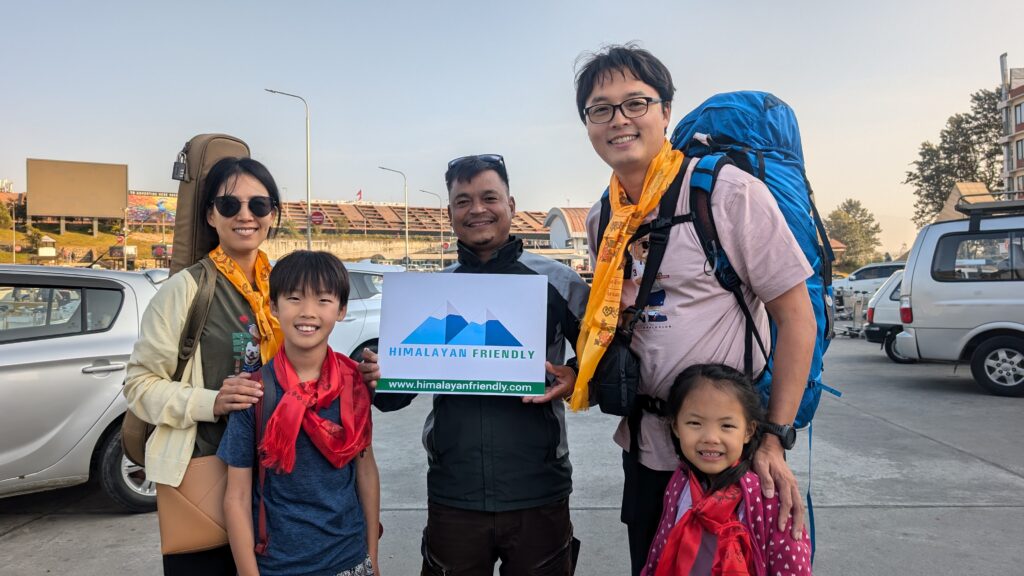
Trek with Confidence: Himalayan Friendly – The Best Trekking Company in Nepal
When it comes to exploring Nepal’s majestic Himalayas, Himalayan Friendly stands out as the best trekking company in Nepal.
- Proven expertise with 8+ years guiding 150+ successful treks and serving over 300 happy travellers worldwide.
- Licensed and skilled guides trained in first aid and high-altitude trekking to ensure your safety.
- Personalised and flexible trips, offering small-group and private treks with custom itineraries for beginners, families, and experienced trekkers.
- Transparent pricing with no hidden costs, giving you peace of mind before and during your trek.
- Authentic Himalayan experiences with guides who are more than professionals, they are your friends on the trail, blending safety, culture, and unforgettable adventures.
Red Flags – Signs You Should Avoid a Company
When vetting options, watch for:
- Vague or inconsistent permit information
- Companies are only reachable via social media pages
- Unrealistically low prices with no cost breakdown
- No visible licenses or registration numbers
- Poor or no responses to detailed questions
If they can’t answer basic trek logistics clearly, they might handle complex challenges just as poorly.
Final Checklist Before You Book
Before clicking “pay,” confirm:
- The agency is registered with NTB and TAAN
- Guides are licensed and trained
- Permits and permit-related logistics are clearly explained
- Pricing includes key components and is transparent
- Communication is timely, clear, and professional
- Reviews show consistent patterns of reliability
- Ethical treatment of porters and staff is emphasized
Checking these reduces surprises and increases the likelihood of a safe, enriching, memorable trek.
Final Thoughts
Choosing the right trekking company in Nepal is more than ticking boxes — it keeps you safe, legal, and connected to local culture while supporting responsible tourism. Done right, it transforms a great trek into a truly unforgettable adventure.
Your trek begins long before you reach the mountains — it begins with the choices you make on the ground in Nepal. Choose wisely, trek safely, and carry the Himalayas in your heart.
Frequently Asked Questions
1. Why should I choose a registered trekking company like Himalayan Friendly for my Nepal trek?
Choosing the best trekking company in Nepal ensures proper permits, licensed guides, safety planning, logistics support, emergency preparedness and local cultural insight, services you can’t easily arrange on your own.
2. What permits and documentation will a trekking company handle for me?
A reputable company manages your TIMS card (Trekkers’ Information Management System), national park and conservation area permits, restricted area permits (if applicable), and all related filings, saving you time and stress before your trek.
3. Do I need a guide and porter for trekking in Nepal?
Yes, for the most popular trails such as Everest, Annapurna, and Langtang, a licensed guide is required and beneficial for navigation, safety, acclimatisation management, and permit requirements.
4. How long should I plan before my trek begins in Nepal?
Arrive at least 2–3 days before your trekking start date to finalise gear, attend pre‑trek briefings with your operator, and adjust to Kathmandu’s climate and time zone.
5. What fitness level do I need for trekking in the Himalayas?
Fitness requirements vary by trek: easy routes need basic endurance, moderate treks require steady hiking capability, and high‑altitude or long routes like Everest Base Camp or Manaslu take good cardiovascular and strength conditioning.
6. What gear should I bring versus rent in Nepal?
Most companies provide accommodation logistics and can help you rent gear in Kathmandu or Pokhara. It’s best to bring personal items like trekking boots, layered clothes, sleeping bags, and trekking poles.
7. What is the best time of year to trek in Nepal?
The most popular seasons are autumn (September–November) and spring (late February–April) for stable weather and clear mountain views.
8. What if there’s bad weather or an emergency during my trek?
We, Himalayan Friendly, will have safety protocols, alternative itineraries and evacuation plans, and communication systems to adapt your trek safely in case of unexpected conditions.