
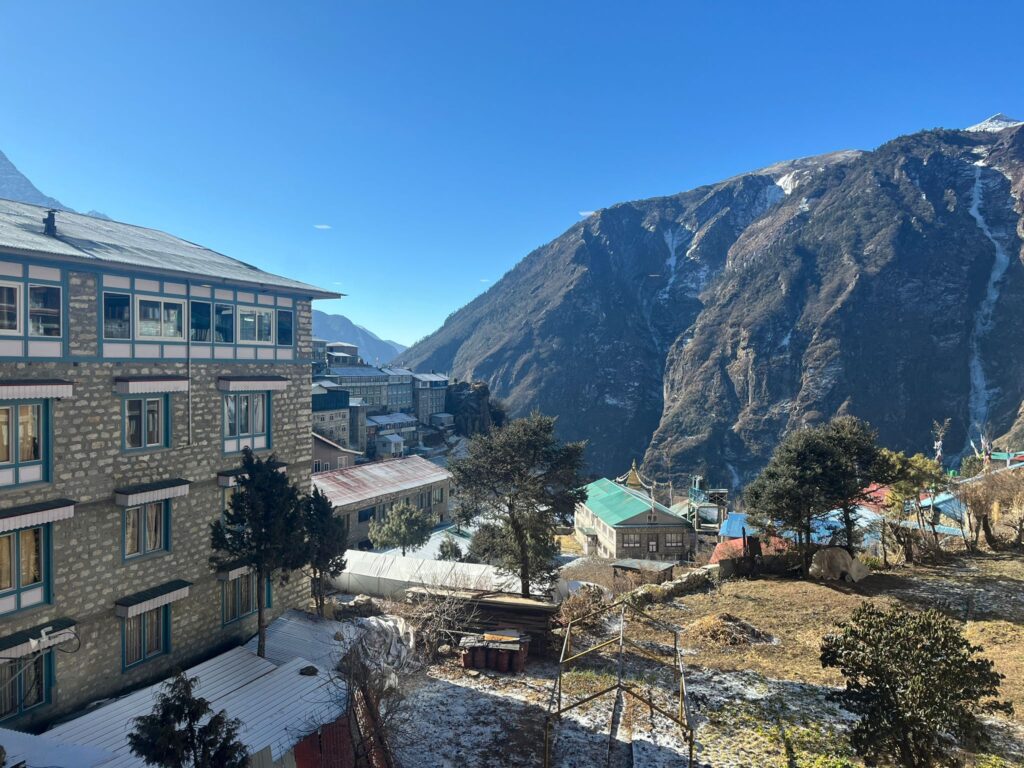
The Everest Base Camp Trek for 12 days is one of the most iconic and rewarding trekking adventures in the world. Taking you deep into the heart of the Everest region, this trek offers breathtaking Himalayan landscapes, rich Sherpa culture, suspension bridges, glaciers, and panoramic mountain views including the world’s highest peak, Mount Everest.
If you are dreaming of standing at the base of Everest and experiencing the raw beauty of the Himalayas in a short yet immersive itinerary, this detailed guide to the Everest Base Camp Trek for 12 days will help you plan your journey perfectly.
Why Choose the Everest Base Camp Trek for 12 Days?
The 12-day Everest Base Camp Trek is ideal for trekkers who want a balanced itinerary — not too rushed and not too long. It allows proper acclimatization, reduces the risk of altitude sickness, and gives you enough time to enjoy the journey.
Here’s why this 12-day itinerary is popular:
-
Well-paced acclimatization schedule
-
Scenic mountain flights to Lukla
-
Exploration of Namche Bazaar
-
Visit to Tengboche Monastery
-
Sunrise view from Kala Patthar
-
Reaching the base of the world’s tallest mountain
This trek perfectly combines adventure, culture, and natural beauty.
BOOK NOW
Everest Base Camp Trek for 12 Days – Detailed Itinerary
Here is a standard itinerary for the Everest Base Camp Trek for 12 days:
Day 1: Fly to Lukla & Trek to Phakding
A thrilling flight from Kathmandu to Lukla begins your adventure. The short trek to Phakding follows the Dudh Koshi River.
Day 2: Trek to Namche Bazaar
Cross suspension bridges and enter Sagarmatha National Park. Namche Bazaar is the vibrant Sherpa hub of the region.
Day 3: Acclimatization Day at Namche
Short hikes to Everest View Hotel or nearby viewpoints help your body adjust to altitude.
Day 4: Trek to Tengboche
Walk through rhododendron forests to reach Tengboche, home to the famous monastery.
Day 5: Trek to Dingboche
The landscape becomes more alpine and dramatic as you climb higher.
Day 6: Acclimatization Day at Dingboche
A short hike to Nagarjun Hill helps with acclimatization.
Day 7: Trek to Lobuche
Glacier views and memorials dedicated to climbers create a powerful atmosphere.
Day 8: Trek to Everest Base Camp & Return to Gorakshep
This is the highlight of the Everest Base Camp Trek for 12 days. Stand at Everest Base Camp and witness the Khumbu Icefall.
Day 9: Hike to Kala Patthar & Trek to Pheriche
Enjoy a magical sunrise over Mount Everest and the surrounding peaks.
Day 10: Trek to Namche Bazaar
Descend through beautiful trails.
Day 11: Trek to Lukla
Celebrate the successful completion of the trek.
Day 12: Fly Back to Kathmandu
Return with unforgettable memories.
Highlights of the Everest Base Camp Trek – 12 Days
The Everest Base Camp Trek for 12 days is packed with extraordinary experiences:
1. Mount Everest and Himalayan Views
Witness towering peaks including Mount Everest, Lhotse, Ama Dablam, and Nuptse.
2. Sherpa Culture
Visit traditional villages and experience the warm hospitality of the Sherpa community.
3. Sagarmatha National Park
A UNESCO World Heritage Site with rare wildlife and diverse ecosystems.
4. Kala Patthar Sunrise
The best panoramic viewpoint of Everest.
Difficulty Level
The Everest Base Camp Trek for 12 days is considered moderately challenging.
-
Maximum altitude: 5,545 meters (Kala Patthar)
-
Daily walking: 5–7 hours
-
Terrain: Rocky, uneven trails
You don’t need technical climbing skills, but good physical fitness and preparation are essential.
Best Time for Everest Base Camp Trek
The best seasons for the Everest Base Camp Trek are:
Spring (March–May)
Clear skies, blooming rhododendrons, and stable weather.
Autumn (September–November)
Crisp mountain views and ideal trekking conditions.
Winter and monsoon are possible but more challenging due to cold temperatures and rain.
Accommodation During the Everest Base Camp Trek
Teahouses are the primary accommodation option. Rooms are basic but comfortable.
Facilities include:
-
Twin-sharing rooms
-
Shared bathrooms
-
Dining hall with a heating stove
-
Wi-Fi (limited and paid)
As you go higher, facilities become more basic.
Food on the Everest Base Camp Trek for 12 Days
You’ll find a variety of meals, such as:
-
Dal Bhat (traditional Nepali meal)
-
Pasta, noodles, fried rice
-
Pancakes and porridge
-
Tea, coffee, and hot lemon
Dal Bhat is highly recommended, as it provides energy for long trekking days.
Permits Required for Everest Base Camp Trek for 12 Days
You will need:
-
Sagarmatha National Park Permit
-
Khumbu Pasang Lhamu Rural Municipality Permit
These permits are usually arranged by trekking agencies.
Preparation Tips for the Everest Base Camp Trek
To successfully complete the Everest Base Camp Trek for 12 days, follow these preparation tips:
Physical Training
Start cardio exercises 2–3 months before your trek. Focus on stamina, leg strength, and endurance.
Proper Packing
Essential items include:
-
Down jacket
-
Warm sleeping bag
-
Trekking boots
-
Thermal layers
-
Sunglasses and sunscreen
Acclimatization
Walk slowly, drink plenty of water, and listen to your body.
Altitude and Safety During the Everest Base Camp Trek
Altitude sickness is a real concern above 3,000 meters.
Symptoms include:
-
Headache
-
Nausea
-
Dizziness
-
Fatigue
Prevention tips:
-
Ascend gradually
-
Stay hydrated
-
Avoid alcohol
-
Follow your guide’s advice
Proper acclimatization days in this 12-day itinerary significantly reduce risks.
Everest Base Camp Trek for 12 Days vs Longer Itineraries
Some trekkers prefer 14–16 day itineraries for a slower pace. However, the Everest Base Camp Trek is perfect if:
-
You have limited time
-
You are physically prepared
-
You prefer a slightly faster adventure
It maintains safety while optimizing time.
Why is it a Life-Changing Experience?
The Everest Base Camp Trek for 12 days is more than just a hike—it’s a journey of self-discovery.
You’ll experience:
-
Walking beneath the world’s tallest peaks
-
Challenging your limits
-
Disconnecting from modern distractions
-
Connecting with nature and culture
Standing at Everest Base Camp, surrounded by ice, glaciers, and towering mountains, is an emotional and unforgettable moment.
Final Conclusion
If you’re looking for an unforgettable Himalayan adventure, the Everest Base Camp Trek for 12 days offers the perfect balance of challenge, scenery, and cultural immersion.
From the thrilling flight to Lukla to the triumphant moment at Everest Base Camp and the sunrise at Kala Patthar, every step of this trek is filled with awe and inspiration.
Whether you are an experienced trekker or an adventure enthusiast with good fitness, this 12-day journey to Everest Base Camp will leave you with lifelong memories and stories worth sharing.
Frequently Asked Questions (FAQ)
Here are the most commonly asked questions about the Everest Base Camp Trek for 12 days to help you plan your Himalayan adventure with confidence.
1. How difficult is this trek?
The Everest Base Camp Trek for 12 days is considered moderately challenging. You will walk 5–7 hours daily on rocky and uneven trails, reaching a maximum altitude of 5,545 meters at Kala Patthar.
While no technical climbing skills are required, good physical fitness, stamina, and mental preparation are essential for completing this trek successfully.
2. What is the maximum altitude during the Everest Base Camp Trek?
The highest point is Kala Patthar at 5,545 meters. The trek also reaches Everest Base Camp itself, located at approximately 5,364 meters at the foot of Mount Everest.
Proper acclimatization days in Namche Bazaar and Dingboche help minimize altitude-related risks.
3. What permits are required for the Everest Base Camp Trek?
You need the following permits:
-
Sagarmatha National Park Entry Permit
-
Khumbu Pasang Lhamu Rural Municipality Permit
The trek passes through Sagarmatha National Park, a protected UNESCO World Heritage Site, so permits are mandatory. Most trekking agencies arrange these permits for you.
4. What is the best time for the Everest Base Camp Trek for 12 days?
The best seasons are:
-
Spring (March–May) – Clear skies and blooming rhododendrons
-
Autumn (September–November) – Stable weather and crystal-clear mountain views
During these seasons, flights from Kathmandu to Lukla operate more reliably, and visibility of Himalayan peaks is excellent.
5. Is altitude sickness common during this trek?
Altitude sickness can occur above 3,000 meters. However, the Everest Base Camp Trek for 12 days includes proper acclimatization days to reduce risk.
To prevent altitude sickness:
-
Walk slowly
-
Stay hydrated
-
Avoid alcohol
-
Follow your guide’s advice
-
Inform your guide immediately if symptoms appear
6. What type of accommodation is available during the Everest Base Camp Trek for 12 days?
Accommodation during the Everest Base Camp Trek for 12 days is mainly in teahouses. These offer:
-
Twin-sharing rooms
-
Shared bathrooms
-
Warm dining areas
-
Basic but comfortable facilities
As you gain altitude, accommodation becomes more basic but remains cozy and welcoming.
7. How many hours do you walk daily during this trek?
On average, you walk 5–7 hours per day. Some days, such as the hike to Everest Base Camp and the early morning climb to Kala Patthar, may be slightly longer.
The itinerary is designed to balance walking time and acclimatization for safety and enjoyment.
8. Do I need a guide for this trek?
Yes, hiring a licensed guide is highly recommended and, in many cases, mandatory. A guide ensures safety, navigation, cultural insights, and assistance in case of altitude sickness or emergencies.
Guided treks provide a more organized and stress-free experience.
9. Is the Everest Base Camp Trek suitable for beginners?
Yes, beginners with good physical fitness can complete the Everest Base Camp Trek in 12 days. While previous trekking experience is helpful, it is not mandatory.
Preparation through cardio training, hiking practice, and strength exercises significantly improves your trekking experience.
10. How much does this trek cost?
For a detailed itinerary, visit this page: Everest Base Camp Trek 12 Days