Kathmandu to Lukla Helicopter Flight: Complete Cost, Schedule & Booking Guide (2026)
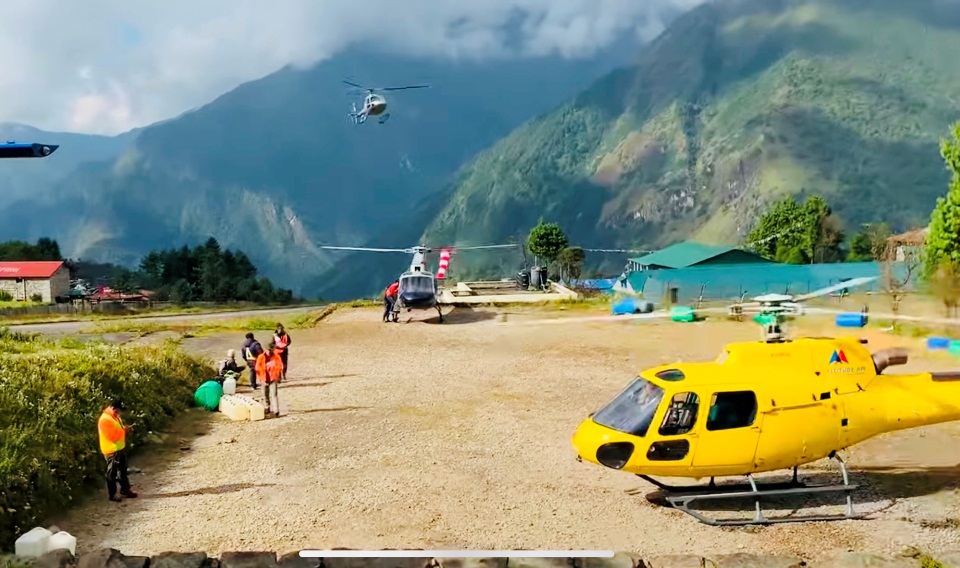
The route from Kathmandu to Lukla is short on distance but critical in planning. Fixed-wing flights to Lukla are notorious for weather disruptions, seasonal airport shifts, and long waiting days. That’s why helicopter transfers have become the preferred option for trekkers who value time certainty, schedule control, and a smoother start to their journey. A helicopter doesn’t just change how you fly — it changes how you plan your entire trek.
This guide breaks down the real cost, flight duration, booking process, weather limits, and on-ground logistics so you know exactly what to expect before committing.
All helicopter operations on this route are regulated by the Civil Aviation Authority of Nepal (CAAN), the government body responsible for flight safety and domestic aviation standards in Nepal, ensuring licensed aircraft and trained pilots operate these services.
Why Choose a Helicopter from Kathmandu to Lukla?
A helicopter is the most dependable way to reach Lukla when weather delays, airport shifts, and tight trekking schedules matter. Most trekkers choose this option not for comfort, but to avoid lost days and broken itineraries at the very start of their Everest journey.
Lukla’s fixed-wing flights are highly weather-sensitive and frequently delayed or canceled. During peak trekking seasons, many flights no longer depart from Kathmandu at all. Instead, travelers are required to drive 4–5 hours to Ramechhap Airport before flying to Lukla. Helicopter flights usually continue operating directly from Kathmandu, removing this extra travel and uncertainty.
Helicopters are also able to operate in narrower weather windows because they can adjust altitude, route, and landing timing more flexibly than small planes. While helicopters still depend on safe conditions, they are canceled less often than Lukla plane flights.
For trekkers with limited leave, fixed return flights, or guided departures, this reliability often outweighs the higher cost.
Helicopter vs Lukla Plane Flight (Quick Comparison)
| Factor | Helicopter | Plane to Lukla |
| Weather delays | Fewer cancellations | Frequent cancellations |
| Departure point | Usually Kathmandu | Often Ramechhap |
| Total travel time | ~40–50 minutes | 4–6 hrs drive + flight |
| Schedule flexibility | On-demand | Fixed slots |
| Cost | Higher | Lower |
Why This Difference Matters
The Ramechhap shift is the main reason trekkers lose days before even starting the trek. Missing a Lukla flight often means waiting one or more extra days. Helicopters reduce that risk and keep your trek on schedule.
This is why many experienced trekkers plan a helicopter flight as a backup—or choose it outright—when timing matters.
Kathmandu to Lukla Helicopter Flight Overview
A helicopter flight from Kathmandu to Lukla typically takes about 40–50 minutes, flying directly from Kathmandu’s domestic helipad to Lukla’s Tenzing–Hillary Airport — the gateway for Everest region treks. This direct aerial route skips long road transfers and gives you reliable access even when fixed-wing flights are delayed or canceled due to mountain weather.
Flight Duration & Route
Flight Duration: 40–50 minutes one way
Helicopter flights usually cover approximately 135–140 km between Kathmandu and Lukla, gaining altitude from around 1,400 m (Kathmandu) up to 2,860 m at Lukla’s airstrip.
The typical route follows valleys and open terrain to maintain safer flying conditions through the Himalayas. Weather can shorten or lengthen the flight slightly, but most operators plan for under an hour in normal conditions. Helicopters offer clear panoramic views of peaks like Everest, Lhotse, and Ama Dablam as you approach Lukla.
Helicopter Types & Passenger Capacity
Common Helicopters Used: AS350 B3e / H125 / Bell series
Passenger Capacity: Usually 3–5 passengers per flight, depending on total weight and weather conditions.
Modern mountain-certified helicopters used on this route are designed for high-altitude performance, which helps maintain reasonable flight times and operational safety. Most operators limit baggage to about 10–15 kg per person due to weight and balance requirements.
This short but scenic flight gives you fast access to the Everest region, making it a solid choice for trekkers who want to protect their schedule and avoid uncertainties of fixed-wing air travel.
Kathmandu to Lukla Helicopter Cost (Shared vs Private)
The cost of a Kathmandu to Lukla helicopter flight depends on whether you book a shared seat or charter the entire helicopter. For 2026, prices generally fall between USD 350–600 per person on shared flights or USD 2,600–3,200 for a private helicopter (one-way), depending on season, weight, and availability.
Shared Helicopter Flight Cost (Per Person)
Typical price: USD 350–600 per person (one way)
Shared flights divide the total helicopter cost among passengers, usually 4–5 people. This is the most common option for solo trekkers and couples who want to avoid Lukla flight delays without paying for a full charter.
- When shared flights operate: Most reliable during spring (Mar–May) and autumn (Sep–Nov) when demand is high and seats fill quickly
- Best for: Solo trekkers, pairs, or small groups with flexible timing
Private Helicopter Charter Cost
Typical price: USD 2,600–3,200 per helicopter (one way)
A private charter books the entire aircraft, usually for up to 5 passengers, regardless of how many seats are filled. This option gives full control over departure time and luggage weight within safety limits.
- Best for: Groups, families, tight itineraries, or fixed international connections
- Cost advantage: When split between 4–5 people, the per-person cost often becomes close to shared pricing
What’s Included vs Not Included
Usually included:
- Helicopter flight from Kathmandu to Lukla
- Passenger insurance during the flight
Usually not included:
- Domestic airport departure tax (around NPR 400 per person)
- Extra luggage charges if weight limits are exceeded
- Trekking permits (Sagarmatha National Park & local permits are separate)
Notes: Operators often calculate helicopter cost per aircraft first — then per seat based on number of passengers, so flying with more people typically lowers the per-person price
Where Do Helicopters Actually Depart From?
Helicopters to Lukla normally depart directly from Kathmandu’s domestic terminal or a Kathmandu helipad, not from Ramechhap. This difference is crucial because the two types of flights (helicopter vs fixed-wing) follow different operational rules and airport logistics.
Kathmandu vs Ramechhap – What Most Travelers Don’t Know
Why fixed-wing flights shift to Ramechhap
During many busy trekking seasons (spring and autumn), fixed-wing flights (small planes) to Lukla are rerouted to Ramechhap Airport (Manthali Airport), about 130 km and 4–5 hours’ drive from Kathmandu. When this happens, trekkers must travel by road early in the morning to catch their Lukla flight — a long and tiring transfer.
Why helicopters usually still depart from Kathmandu
Helicopter services fly straight from Kathmandu to Lukla even when regular small planes are sent to Ramechhap. This direct routing removes the need for the early-morning ground transfer, making the helicopter option faster and simpler.
When helicopters may reposition
Helicopters could operate from Ramechhap only in special cases — for example, if they are already in that location for other services or during unusual operational needs. But for standard booked flights from Kathmandu to Lukla, departure from Kathmandu is the norm.
Best Time for Kathmandu to Lukla Helicopter Flight
The best time to fly from Kathmandu to Lukla by helicopter is spring (March–May) and autumn (September–November) because these months have the clearest skies and the most stable mountain weather. This directly affects flight safety, visibility, and on-time departures.
Best Seasons (Spring & Autumn)
- Spring (March–May): Clear mornings, low wind, and good visibility. Flights operate regularly, but demand is high due to the Everest trekking season, so prices can rise and seats sell out early.
- Autumn (September–November): The most stable flying season. Monsoon clouds are gone, air is dry, and visibility is often at its best. This is when cancellations are least common.
Nepal’s aviation authority confirms that weather and visibility are the main limiting factors for mountain flights, which is why these two seasons perform best.
Monsoon & Winter Reality Check
- Monsoon (June–August): Helicopters can still fly, but only during short clear windows, usually early morning. Heavy cloud and rain often ground flights.
- Winter (December–February): Flights operate, but cold temperatures, snow, and wind near Lukla can cause delays, especially after mid-morning.
Operators clearly state that helicopters are more flexible than planes, but they still cannot fly in poor visibility.
Best Time of Day to Fly
Early morning (around 6:00–10:00 AM) is the safest and most reliable time to fly. Clouds and wind usually build later in the day, reducing landing chances at Lukla.
How to Book a Kathmandu to Lukla Helicopter (Step-by-Step)
Booking a Kathmandu to Lukla helicopter is straightforward: choose your season, decide on a shared or private flight, and pay in advance to secure your seat. Doing this prevents delays and keeps your trek on schedule.
When to Book (By Season)
- Peak Seasons (March–May, September–November): Seats fill quickly. Book 2–4 weeks in advance to secure your preferred time.
- Shoulder Seasons (June–August, December–February): Fewer travelers mean last-minute bookings are sometimes possible, but flights remain weather-dependent.
Shared vs Private Booking Strategy
- Shared Flights: Best for solo travelers or couples. Seats are sold individually, which lowers the per-person cost.
- Private Charter: Best for groups or trekkers with strict schedules. Booking the full helicopter gives you control over departure time and luggage. Costs can be split among passengers.
Payment Methods & Local Practices
- Cash: Most operators accept USD or NPR. Preferred by smaller operators.
- Card: Accepted by larger companies; may include extra fees.
- Advance Payment: Recommended during peak season to secure your booking.
- Last-Minute Booking: Possible in off-season but carries higher risk of cancellation due to weather.
On-Ground Experience — What to Expect on Flight Day
On the day of your Kathmandu to Lukla helicopter flight, the process is organized and efficient, from check-in in Kathmandu to arrival in Lukla. Knowing what to expect helps you plan your time and start your trek without delays.
At Kathmandu Domestic Terminal / Helipad
- Check-in: Arrive 45–60 minutes before your flight. Staff verify your booking, ID, and luggage weight.
- Safety Briefing: Pilots and crew give instructions on seat belts, emergency procedures, and luggage placement.
- Security: Luggage is scanned, and carry-on limits are enforced due to helicopter weight restrictions.
Arrival at Lukla
- Helipad Location: Helicopters land at Lukla helipad, within walking distance of the town and the start of trekking routes.
- Walk to Town: Usually a 5–10 minute walk to lodges or tea houses.
- Guide/Porter Coordination: Trekkers are met by guides or porters arranged through lodges or trekking agencies, who help with luggage and logistics for the trek.
Trekking Permits & What Comes After Lukla
Before starting your Everest region trek from Lukla, you must obtain the required permits: the Sagarmatha National Park Permit and the Khumbu Pasang Lhamu Rural Municipality Permit. These permits are mandatory for all trekkers and are checked at checkpoints along the trail.
Sagarmatha National Park Permit
- Purpose: Entry into Sagarmatha National Park, which covers the Everest region.
- Cost: Approximately USD 30–35 for foreign trekkers.
- Where to Obtain: Kathmandu (Tourist Service Centre) or at the Lukla checkpoint.
- Notes: Needed for all trekkers entering the park; ID verification is required.
Khumbu Pasang Lhamu Rural Municipality Permit
- Purpose: Local government fee to trek in the Khumbu region.
- Cost: Around USD 20–25 for foreign nationals.
- Where to Obtain: Kathmandu before departure or at Salleri, Monjo, or Lukla checkpoints.
- Notes: Checked alongside the park permit by rangers. Carry multiple copies.
What Comes After Lukla
After landing at Lukla helipad:
- Check in with local authorities at the Lukla checkpoint to verify your permits.
- Coordinate with your guide or porter if you have arranged support for the trek.
- Start the trek toward Phakding or Namche Bazaar, depending on your itinerary. The first day is usually moderate to help acclimatize.
Final Thoughts — Is a Helicopter Worth It?
A Kathmandu to Lukla helicopter is ideal for trekkers seeking a fast, reliable, and stress-free start to their Everest trek. The 40–50 minute flight avoids long road transfers to Ramechhap and plane delays. It suits solo travelers, small groups, or those on tight schedules. Budget-conscious trekkers may prefer a small plane or road-plus-plane option. To ensure a smooth journey, book early, check luggage limits, and have your Sagarmatha National Park and Khumbu Pasang Lhamu permits ready. Proper planning lets you start the trek on time, with fewer surprises, and focus fully on the adventure ahead.
Kathmandu to Lukla Helicopter FAQs
Q1: Is a helicopter safer than a plane to Lukla?
Yes. Helicopters are generally safer for Lukla because they can operate in shorter windows, adjust routes quickly, and are less affected by the airstrip congestion that often delays small planes.
Q2: Can helicopters fly when planes are canceled?
Often, yes. Helicopters can fly in conditions or windows when fixed-wing flights are grounded, but extreme weather can still cause cancellations.
Q3: Is luggage weighed?
Yes. Helicopters have strict weight limits, so luggage is weighed and scanned at check-in. Carry-on is limited due to aircraft capacity.
Q4: Can I book last minute?
Yes, in off-peak months or low-demand days, last-minute bookings are sometimes possible, but availability is limited, and weather can affect departure.
Q5: What happens if weather cancels the flight?
Flights are rescheduled or refunded depending on the operator. Helicopters may still fly in short windows, but extreme conditions mean waiting for safe clearance is required.
Q6: Is a return helicopter from Lukla possible?
Yes. Most operators offer return flights from Lukla to Kathmandu, usually coordinated in advance or scheduled around trekking itineraries.