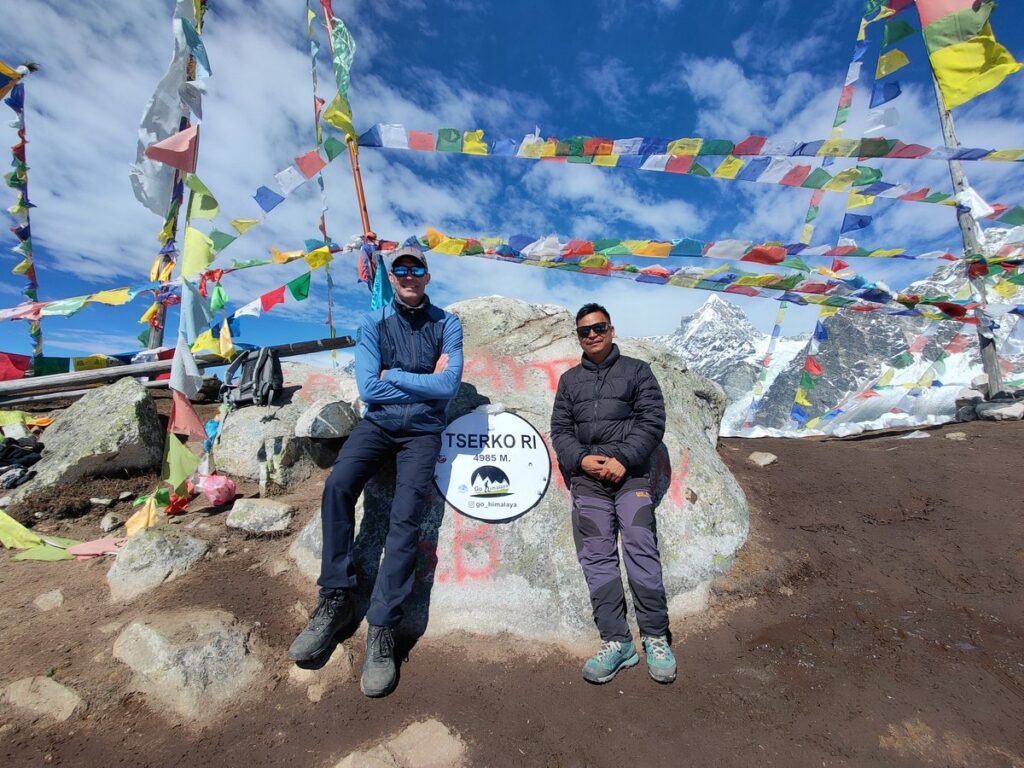
The Langtang Valley Trek in May is one of Nepal’s most rewarding Himalayan journeys: mild spring weather, clear mountain views, and vibrant rhododendron forests make this month especially compelling for adventurers. According to the Nepal Tourism Board, Langtang National Park, home to this iconic trek, lists spring (March–May) as one of the two best seasons for trekking with stable skies and pleasant temperatures that enhance both scenery and trail conditions.
Unlike the crowded autumn months, May strikes a balance of lush landscapes, manageable trails, and fewer tourists, making it ideal for both first‑time and experienced trekkers. You’ll traverse ancient Tamang villages, climb through alpine meadows, and gain awe‑inspiring views of peaks like Langtang Lirung and Ganesh Himal all before the summer monsoon arrives.
This guide gives you everything you need to know about trekking in Langtang in May from daily itineraries and weather expectations to permit logistics, costs, safety advice, and local insights, so you can plan with confidence and make the most of this spring Himalayan adventure.
Why Choose Langtang Valley Trek in May?
May is one of the best months to trek in Langtang Valley. Clear skies, warm daytime temperatures, and blooming rhododendron forests make the trail at its most beautiful. The snow from winter has mostly melted, and the summer monsoon has not yet started, giving trekkers safe and comfortable conditions.
Ideal Weather Conditions in May: Daytime temperatures range from 15°C to 20°C (59–68°F) at lower elevations and stay pleasant even higher on the trail. Nights are cooler, around 5°C to 10°C, but still manageable. Early mornings are usually clear, offering excellent views of peaks like Langtang Lirung, while occasional afternoon clouds may appear toward the end of the month
Rhododendron & Floral Beauty: The valley comes alive with rhododendron and wildflowers, creating vibrant trails perfect for photography and nature walks.
Lower Tourist Crowds than Peak Season: Compared to April and autumn months, trails in May are less crowded, allowing a more peaceful trekking experience while still seeing other hikers on the route.
Spring Adventure Safety: Pre‑monsoon conditions make the trail safer and more stable, with less snow or slippery sections than winter or early spring.
In short, May offers the perfect mix of clear views, blooming nature, manageable crowds, and safe trail conditions making it an ideal time for the Langtang Valley Trek.
Langtang Valley Trek Overview
The Langtang Valley Trek is a moderate, accessible Himalayan trek near Kathmandu, taking most trekkers through forests, traditional villages, and up to Kyanjin Gompa (3,870 m) over 7–10 days, making it ideal for a May adventure.
Location & How to Reach
The trek begins at Syabrubesi (about 1,460–1,550 m) in northern Nepal, reachable from Kathmandu by road in roughly 6–8 hours by public bus or private jeep along the Trisuli Highway and mountain roads. From there, the route follows the Langtang River upstream into the heart of Langtang National Park.
Difficulty & Duration
Langtang Valley Trek is rated moderate, requiring daily walks of around 5–7 hours on uneven mountain terrain. Most itineraries span 7–10 days, including transport from and back to Kathmandu, with the highest main overnight stop at Kyanjin Gompa (3,870 m).
Trail Highlights
The trail passes through oak and rhododendron forests, suspension bridges, and traditional Tamang villages with tea houses for accommodation. Key places include Lama Hotel, Langtang Village (3,430 m), and Kyanjin Gompa, where panoramic Himalayan views await. Optional side hikes to Kyanjin Ri or Tserko Ri viewpoints reward trekkers with expansive mountain vistas
Altitude & Trekking Tips
The ascent is gradual but sustained. Acclimatisation is important spending an extra day at Kyanjin Gompa helps your body adjust and reduces altitude sickness risk. Keep a steady pace, rest often, and drink plenty of water to help your body adapt to higher elevations.
In short, the Langtang Valley Trek is a well-rounded, moderate Himalayan route with rich scenery, cultural stops, and manageable altitude, making it an excellent choice for trekking in May.
Complete 11-Day Langtang Valley Trek Itinerary in May
Day 1: Arrival in Kathmandu (≈1,350 m)
Arrive in Kathmandu and transfer to your hotel. Rest after travel.
Day 2: Trek Preparation & Optional Kathmandu Sightseeing
Permits and final gear checks. Optional visits to Boudhanath or Swayambhunath.
Day 3: Kathmandu to Syabrubesi (1,460 m)
Drive north via Trishuli Valley to Syabrubesi, the trek starting point.
| Distance | Elevation Gain | Time |
| ~120 km | +110 m | 6–8 hrs (drive) |
Day 4: Syabrubesi to Lama Hotel (2,470 m)
Trek along the Langtang River through bamboo and oak forest.
| Distance | Elevation Gain | Time |
| ~11–12 km | +1,010 m | 6–7 hrs |
Day 5: Lama Hotel to Langtang Village (3,430 m)
Climb steadily through the rhododendron forest to Langtang Village.
| Distance | Elevation Gain | Time |
| ~14 km | +960 m | 5–6 hrs |
Day 6: Langtang Village to Kyanjin Gompa (3,870 m)
Shorter walk with open views and gradual ascent.
| Distance | Elevation Gain | Time |
| ~7 km | +440 m | 3–4 hrs |
Day 7: Kyanjin Gompa Acclimatization Day
Optional hikes to Kyanjin Ri (4,773 m) or Tserko Ri (4,984 m).
| Distance | Elevation Gain | Time |
| Varies | +400–1,100 m | 5–7 hrs |
Day 8: Kyanjin Gompa to Lama Hotel
Descend past Langtang Village and Ghodatabela.
| Distance | Elevation Loss | Time |
| 20–21 km | 1,400 m | 6–7 hrs |
Day 9: Lama Hotel to Syabrubesi
Final trekking day through forest trails back to the road head.
| Distance | Elevation Loss | Time |
| 10–11 km | 1,000 m | 5–6 hrs |
Day 10: Syabrubesi to Kathmandu
Drive back to Kathmandu.
| Distance | Elevation Loss | Time |
| 120 km | 110 m | 6–8 hrs |
Day 11: International Departure
Transfer to the airport for your onward flight.
This itinerary follows the established Langtang Valley trekking route used by licensed operators, allows proper acclimatisation, and fits May conditions well, clear mornings, stable trails, and safe altitude progression.
Langtang National Park Permit – process, fees, where to get.
For the Langtang Valley Trek in May, you must secure the correct permits before you start, and understand the real costs involved from park entry fees to daily food, transport, and guide services. These fees are set by the Government of Nepal and trekking bodies, and planning them early keeps your trek legal and smooth.
Permits & Trek Costs
Langtang National Park Permit
Every trekker must have a Langtang National Park Entry Permit to enter and walk through the protected area where the Langtang Valley Trek is located.
- Foreign nationals: NPR 3,000 (USD 25)
- SAARC nationals: NPR 1,500 (USD 12)
- Nepali citizens: NPR 100
This permit is valid for the full duration of the trek and can be obtained at the Nepal Tourism Board in Kathmandu or at the park entry point (e.g., Dhunche).
Trekkers’ Information Management System (TIMS) Card
All trekkers need a TIMS Card a safety tracking permit managed by the Nepal Tourism Board and TAAN.
- Independent trekker: NPR 2,000 (USD 17)
- Group through a registered agency: NPR 1,000 (USD 8)
This permit is mandatory and helps Nepal trek authorities monitor your route and safety.
Langtang Valley Trek Cost with Himalayan Friendly (May 2026 Pricing)
Himalayan Friendly offers a fixed price for the Langtang Valley Trek in May, covering permits, transport, accommodation, and licensed trekking staff. This removes guesswork and keeps costs clear from start to finish.
Starting from: US $570 per person
| Group Size | Price per Person |
| 1 Person | US $780 |
| 2 Persons | US $640 |
| 3–4 Persons | US $620 |
| 5–7 Persons | US $600 |
| 8–10 Persons | US $570 |
Packing List for Langtang Valley Trek in May
For the Langtang Valley Trek in May, packing the right gear ensures comfort, safety, and preparedness for spring weather. A well-planned packing list helps you carry only what is necessary and suitable for variable conditions.
| Category | Item | Notes |
| Essential Gear | Trekking shoes | Sturdy, good grip, ankle support |
| Layered clothing | Base layer, fleece mid-layer, outer shell | |
| Rain jacket | Lightweight, waterproof | |
| Hat & gloves | Warm for nights at higher altitude | |
| Quick-dry socks | Prevent blisters | |
| Daypack (20–30 L) | For water, snacks, personal items | |
| Optional Gear | Trekking poles | Reduce knee strain |
| Camera | Capture spring blooms and mountains | |
| Snacks | Energy bars, nuts, chocolate | |
| Journal | Record your trek experiences | |
| Power bank | Backup for phone/camera charging | |
| Health & Safety Items | Water purification | Tablets or filter for stream water |
| First aid kit | Bandages, pain relief, blister care, personal medication | |
| Sunscreen & lip balm | High SPF for strong UV at altitude | |
| Headlamp | Useful for early starts or night | |
| Hand sanitizer | Hygiene on the trail |
Key Notes:
- Focus on lightweight, layered clothing for fluctuating temperatures in May.
- Ensure your shoes are well broken in before the trek.
- Carrying water purification and first aid ensures safety when facilities are limited.
- Optional items like trekking poles or power banks improve comfort but are not mandatory.
In short, this packing checklist covers everything you need for a safe, comfortable, and well-prepared Langtang Valley Trek in May.
Safety, Health & Trekking Tips
On the Langtang Valley Trek in May, staying safe depends on understanding altitude, trail risks, and available medical support. Proper preparation and local guidance are essential for a smooth trek.
Altitude Sickness Awareness & Prevention
Altitude sickness is the main health concern above 3,000 m on the Langtang trek and can affect anyone. Early symptoms include headache, nausea, dizziness, and fatigue. If symptoms worsen, descend immediately and seek help.
To reduce risk:
- Ascend gradually and limit daily elevation gain.
- Rest and hydrate; drink 3–4 litres of water daily.
- Include acclimatisation days at Langtang Village or Kyanjin Gompa.
- Consult a doctor before taking acetazolamide (Diamox).
Trail Safety & Weather Hazards
May offers mostly stable weather, but conditions can change quickly.
- Afternoon showers can make trails slippery.
- Watch for loose rocks and narrow sections, especially after rain.
- Use sturdy boots and maintain steady hydration to prevent injuries and fatigue.
Hiring Guides & Porters
Local guides and porters improve safety and efficiency. Guides know the route, hazards, and weather patterns. Porters carry heavy loads, reducing fatigue and risk of injury. Hiring licensed guides is recommended for safety and emergency support.
Emergency Contacts & Facilities
Basic medical facilities exist in Syabrubesi and Langtang, but advanced care is limited. For serious altitude sickness or injury, helicopter evacuation to Kathmandu may be required, so travel insurance covering high-altitude rescue is essential.
- Health posts assist with minor injuries or altitude symptoms.
- Mobile coverage is limited in remote areas; carry a local SIM and power bank.
In summary, slow ascent, trail awareness, weather preparation, and support from local guides are essential for a safe and healthy Langtang Valley Trek in May.
Why Trek with Himalayan Friendly for Langtang Valley Trek in May
Booking your Langtang Valley Trek with Himalayan Friendly ensures a safe, smooth, and enjoyable experience. With over 8 years of Himalayan guiding experience and 150+ successful treks, we combine local knowledge, safety, and support to make your trek worry-free.
What sets us apart:
- Experienced Guides: Licensed, trained in first aid and high-altitude trekking.
- Safety Focused: Acclimatization schedules, daily health checks, and emergency planning.
- Personalised Treks: Small-group and private itineraries for beginners, families, and experienced trekkers.
- Transparent Pricing: Clear rates with no hidden costs; group pricing starts from US $570 per person.
- Local Knowledge: Familiarity with trails, weather, culture, and communities for a smooth trek.
- Trusted by Trekkers: 300+ happy clients, 5-star reviews on TripAdvisor and Google.
Our guides are more than professionals; they are your companions on the trail, ensuring safety and an unforgettable trek.
Book your Langtang Valley Trek today and enjoy the mountains with experts who handle all logistics, permits, and support for you
From Dreams to Peaks: Start Your Langtang Adventure Today
The Langtang Valley Trek in May offers ideal weather, blooming rhododendrons, clear skies, and fewer crowds, making it one of the best months to explore the region. Trekking in May lets you enjoy moderate temperatures, vibrant landscapes, and a safer trail before the monsoon season begins.
Planning your trek with Himalayan Friendly ensures a safe, well-organised, and hassle-free experience. From permits and accommodation to licensed guides and local expertise, every detail is managed so you can focus on the mountains and the journey.
Check our Langtang Valley Trek packages and start your Himalayan adventure today! Explore the beauty of Nepal’s valleys and peaks with experienced guides who prioritise safety, comfort, and unforgettable experiences
FAQs
Which month is best for the Langtang Trek?
May is the ideal month for the Langtang Valley Trek, with comfortable temperatures, colourful spring scenery, and clear views of the Himalayas.
Is the Langtang Valley Trek difficult?
The Langtang Valley Trek is moderate in difficulty. It is suitable for beginners with basic fitness and for experienced trekkers, with the highest point at 3,870 m requiring gradual acclimatisation.
What permits are required for the Langtang Valley Trek?
Trekkers need a Langtang National Park Permit and a TIMS Card. Booking with Himalayan Friendly ensures all permits are handled for you.
What should I pack for the Langtang Valley Trek in May?
Bring sturdy trekking shoes, layered clothing, a rain jacket, hat and gloves, water purification, and a first aid kit. Trekking poles, a camera, and snacks are optional but useful.