Solo Trekking in Nepal: Safety Tips, Rules, Permits & Complete 2026 Guide
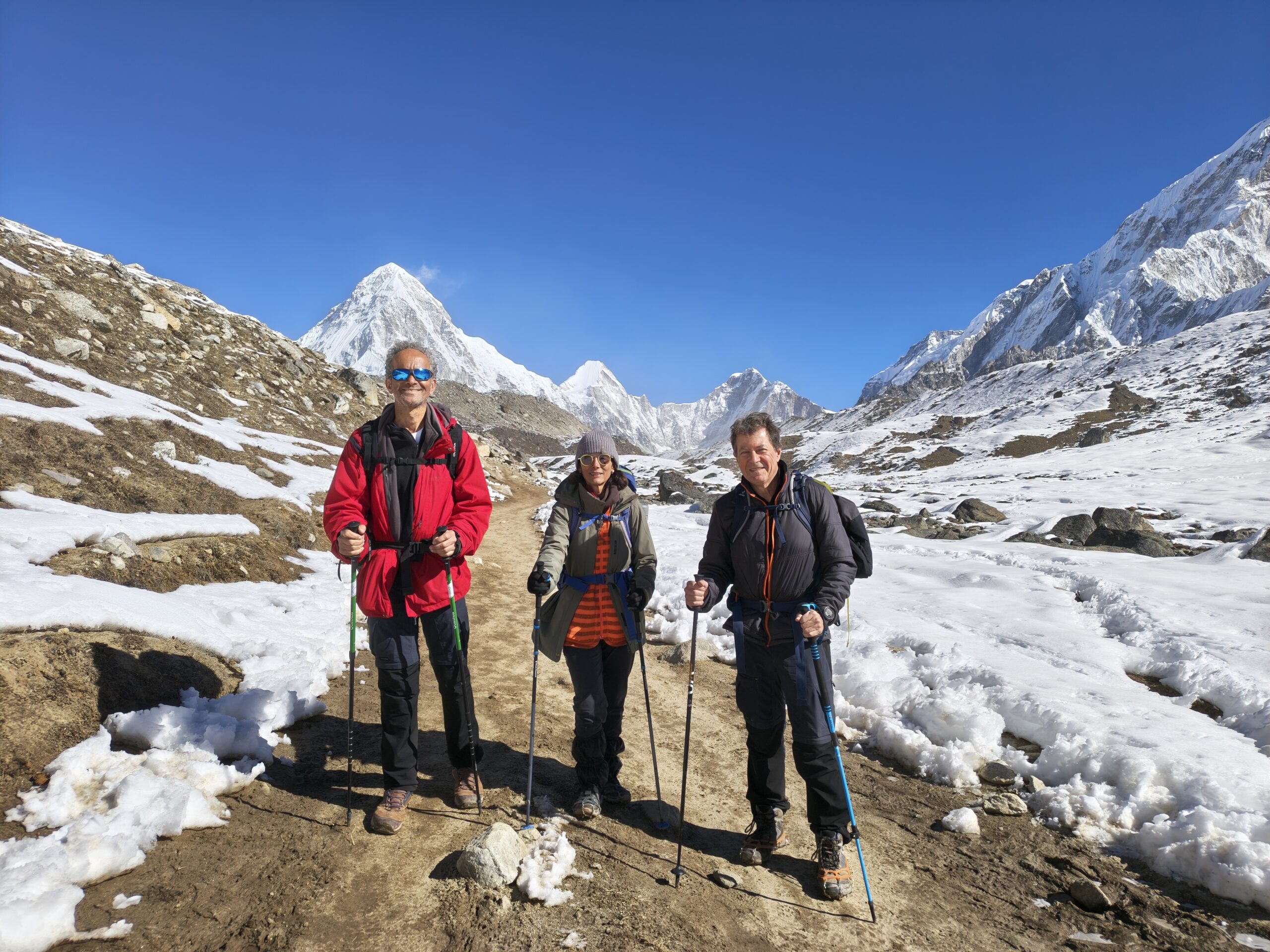
Solo trekking in Nepal is still possible in major regions like Everest, Annapurna, and Langtang, but it now operates under regulated rules where permits are required and licensed guides are mandatory in restricted areas such as Manaslu, Upper Mustang, and Dolpo. Independent trekking is still widely practiced on established teahouse routes, but access is more structured to improve safety, rescue coordination, and environmental protection in high-altitude regions. Most open trekking corridors still support self-guided travel if trekkers carry proper permits and understand basic route and altitude safety.
Safe solo trekking depends on preparation, not just choosing a destination. Key factors include controlling ascent speed to reduce altitude sickness risk, carrying weather-appropriate gear, planning a realistic budget for remote areas, and following official permit rules set by conservation and national park authorities. Risks like AMS, sudden weather shifts, and limited emergency access make planning essential, especially above 3,000 meters. With proper discipline and awareness, solo trekking in Nepal remains flexible and rewarding, but it requires consistent attention to safety decisions throughout the journey.
Introduction – Is Solo Trekking in Nepal Still Possible in 2026?
Yes, solo trekking in Nepal is still possible in 2026 across most major trekking regions, but in restricted conservation and protected areas, a licensed guide is now legally required under updated regulations. Nepal remains one of the world’s leading trekking destinations for independent hikers, with routes such as Everest Base Camp, Annapurna Circuit, and Langtang Valley, supported by established teahouse networks and permit systems. However, recent updates from national tourism and conservation authorities have strengthened safety oversight and clarified access rules, especially in high-altitude and remote regions, with organizations such as the Nepal Tourism Board and trekking associations managing permits and route regulation.
In practice, solo-style trekking remains common in major corridors, but restricted regions like Manaslu and Upper Mustang require a licensed guide under controlled permit systems. Conservation areas such as Sagarmatha and Annapurna are regulated by national park authorities to improve safety, environmental protection, and emergency response readiness, reflecting a shift toward regulated solo trekking in sensitive zones.
Solo Trekking in Nepal Rules (2026 Updated Guide on Permits & Guide Requirement)
Solo trekking in Nepal is still allowed in most major trekking regions in 2026, but restricted areas legally require a licensed guide under permit regulations enforced by tourism and conservation authorities. Nepal’s trekking framework is governed through national park regulations, conservation area rules, and permit systems managed by official bodies such as the Nepal Tourism Board and trekking sector associations. Independent trekking is still permitted in well-established routes where infrastructure exists, but access in remote or ecologically sensitive regions is regulated to improve safety, rescue response, and environmental protection standards.
Where Solo Trekking is Allowed
Solo trekking is permitted in major trekking regions, including the Everest Region (EBC, Gokyo Lakes), Annapurna Region (ABC, Poon Hill, Annapurna Circuit), Langtang Valley, and Mardi Himal. These routes operate under standard permit systems such as national park entry permits and conservation area permits, allowing independent trekking without mandatory guides in most cases.
Where Solo Trekking is NOT Allowed
Solo trekking is not permitted in the Manaslu Circuit, Upper Mustang, Kanchenjunga region, and other restricted border areas. These zones require a restricted area permit issued through registered trekking agencies, and entry without a licensed guide is not allowed under current immigration and conservation rules due to safety and border management regulations.
Do You Need a Guide in 2026?
A licensed guide is mandatory in restricted trekking areas, recommended in high-altitude or remote routes, and not required in most mainstream trails like Everest Base Camp or Annapurna Circuit under current rules. Confusion arises because Nepal applies a zone-based regulation system, meaning guide requirements depend on region classification rather than a blanket rule. Conservation authorities and tourism bodies continue to adjust enforcement to balance safety, environmental protection, and independent trekking access.
Best Solo Trekking Routes in Nepal (Safety & Difficulty Overview)
The safest solo trekking routes in Nepal in 2026 are Poon Hill, Langtang Valley, and Mardi Himal, while Everest Base Camp and Annapurna Base Camp are moderate-risk routes suitable for experienced independent trekkers. Route safety in Nepal depends mainly on altitude, weather exposure, trail infrastructure, and rescue access, which are key criteria used in Nepal’s trekking management and conservation frameworks. Lower-altitude and well-established teahouse routes generally offer safer solo trekking conditions compared to remote high-altitude regions.
| Trek Name | Difficulty | Safety Level (Solo) | Altitude Risk | Rescue Access | Best Season |
| Poon Hill | Easy | Very High | Low | Strong | Oct–May |
| Langtang Valley | Easy-moderate | High | Medium | Good | Mar–May, Sep–Nov |
| Mardi Himal | Moderate | High | Medium | Moderate | Mar–May, Sep–Nov |
| Everest Base Camp | Moderate–Hard | Medium | High | Strong | Mar–May, Sep–Nov |
| Annapurna Base Camp | Moderate | High | Medium | Strong | Mar–May, Sep–Nov |
| Three Passes Trek | Hard | Low | Very High | Limited | Apr–May, Oct |
| Remote High-Altitude Routes | Very Hard | Very Low | Extreme | Limited | Seasonal only |
Safest Beginner Solo Treks
Poon Hill, Langtang Valley, and Mardi Himal are widely considered the safest solo trekking routes due to short duration, clear trail marking, and frequent settlements. These routes have strong teahouse networks and gradual elevation gain, reducing altitude-related risks for first-time trekkers. Langtang and Mardi Himal involve moderate altitude exposure, while Poon Hill remains a low-risk viewpoint trek with minimal acclimatization demands.
Moderate Solo Treks
Everest Base Camp and Annapurna Base Camp are moderate solo trekking routes requiring fitness, acclimatization discipline, and altitude awareness. Both exceed 4,000 meters, where acute mountain sickness risk increases significantly, but strong infrastructure, high trekking traffic, and established rescue access improve safety for independent trekkers. These regions are managed under national park and conservation systems supporting regulated trekking activity.
High-Risk Solo Treks (Not for Beginners)
The Three Passes Trek and remote high-altitude routes are high-risk solo trekking options due to extreme elevation above 5,000 meters, unpredictable weather, and limited rescue access. These areas have fewer settlements and longer emergency response times, making prior Himalayan trekking experience essential for safety.
Is Nepal Safe for Solo Trekking? Safety Risks & What Trekkers Should Know
Yes, Nepal is generally safe for solo trekking, and the main risks are altitude sickness, weather exposure, and terrain conditions rather than violent crime. Popular trekking regions such as Everest, Annapurna, and Langtang have established trekking infrastructure, active teahouse networks, and regular tourist movement, which improve overall trekking safety for independent travelers. Nepal’s trekking management and rescue coordination systems are also supported by trekking organizations and conservation authorities operating across major Himalayan routes.
Real Safety Reality
Most trekking emergencies in Nepal are linked to environmental risks rather than criminal activity. High altitude, sudden Himalayan weather changes, steep terrain, and physical exhaustion remain the primary causes of rescue incidents in major trekking regions. Risk levels increase significantly in remote areas and during off-season trekking periods where trail traffic and emergency response access become limited, based on conservation and trekking safety guidance from the National Trust for Nature Conservation (NTNC).
Real Risks Solo Trekkers Face
Acute Mountain Sickness (AMS) is the most common health risk for solo trekkers above 3,000 meters, particularly in the Everest and other high-altitude routes. Rapid weather shifts can reduce visibility and create dangerous trail conditions within hours, while winter and monsoon seasons increase the risk of isolation, landslides, and navigation errors, as highlighted in CDC High Altitude Travel Guidance. Terrain-related risks and rescue limitations are also referenced in trekking advisories published by the Nepal Tourism Board.
Female Solo Trekker Safety
Nepal is widely considered one of the safer trekking destinations in South Asia for solo female travelers, especially on established teahouse routes with regular international trekking activity. Most trekking villages are familiar with foreign visitors, and teahouses provide a structured accommodation system across major trails. Practical precautions still matter, including avoiding isolated trekking after dark, staying in reputable lodges, and sharing next-day trekking plans with accommodation owners or local contacts.
Nepal Trekking Permits for Solo Trekkers (2026 Updated Guide)
Solo trekking in Nepal in 2026 requires mandatory permits such as conservation or national park entry permits, and in restricted regions like Upper Mustang or Manaslu, a licensed guide and restricted area permits are compulsory, making the system strictly regulated for safety, environmental protection, and controlled tourism.
TIMS Card System (Trekkers’ Information Management System)
The TIMS Card is a mandatory trekking registration system in Nepal that records trekker details for safety tracking, rescue coordination, and official monitoring. While it is still required on many trekking routes, solo trekkers usually need to process it through a licensed trekking agency under the current regulations.
Conservation Area Permits (ACAP & National Parks)
Conservation permits are required for entry into protected trekking regions of Nepal, including the Annapurna Conservation Area Permit for Annapurna region treks and the Sagarmatha National Park Permit for Everest region routes, while other areas like Langtang and Manaslu also requires specific permits to support conservation, wildlife protection, and local community development.
Restricted Area Permits
Restricted area permits are required for remote and sensitive regions such as Upper Mustang, Dolpo, Tsum Valley, and Manaslu Circuit, where solo trekking is not allowed due to border proximity, ecological sensitivity, and security regulations, and trekkers must be accompanied by a licensed guide through an authorized agency.
Why is a guide required in many areas?
Licensed guides are increasingly required in Nepal not only for navigation and cultural support but also for safety management in high-altitude terrain, and in restricted regions, they are legally mandatory to ensure proper monitoring, emergency response, and controlled tourism in fragile Himalayan environments.
How the Permit System Works Through Agencies
Solo trekkers generally obtain permits through registered trekking agencies by submitting passport and visa details, after which the agency processes TIMS and conservation or restricted area permits, and once government fees and service charges are paid, the permits are issued before the trek begins, since independent processing is now limited for most regulated regions.
Nepal Trekking Permits Overview (2026)
| Permit Type | Region | Cost (Approx.) | Requirement |
| TIMS Card | Most trekking regions | USD 10–20 | Required for many routes |
| ACAP Permit | Annapurna region | USD 20 | Mandatory |
| Sagarmatha National Park Permit | Everest region | USD 30 | Mandatory |
| Restricted Area Permit | Upper Mustang, Manaslu, Dolpo | USD 70–500+ | Guide + agency compulsory |
Cost of Solo Trekking in Nepal (Daily Budget Breakdown)
The cost of solo trekking in Nepal typically ranges from USD 25 to USD 70 per day, depending on altitude, trekking route, and comfort level, with expenses increasing significantly in higher regions due to transport difficulty, limited supply, and seasonal demand.
Accommodation Cost (Tea Houses & Lodges)
Accommodation is one of the biggest predictable expenses during trekking in Nepal. In lower regions, basic tea houses are very affordable, but prices increase as you go higher due to limited supply and transportation challenges.
- Lower altitude areas: USD 5–10 per night
- Mid-altitude trekking routes: USD 10–15 per night
- High altitude (Everest/Annapurna base areas): USD 15–25 per night
Most tea houses offer simple rooms with twin beds, and higher prices often apply if you do not take meals from the same lodge.
Food Cost by Altitude
Food cost increases significantly as altitude rises because everything is carried by porters or yaks.
- Lower regions: USD 5–10 per meal
- Mid regions: USD 8–15 per meal
- High-altitude regions: USD 12–20+ per meal
A full-day food budget usually includes dal bhat, noodles, soups, and tea. Dal bhat remains the best value meal since many lodges offer refills.
Transport Cost (Start and End of Trek)
Transport is a one-time but important part of the trekking budget.
- Local buses: USD 5–20
- Tourist buses: USD 10–30
- Domestic flights (like Lukla or Jomsom): USD 150–220 one way
Remote treks like Everest Base Camp often require expensive short flights, which significantly increase the total cost.
Permit Costs (Mandatory Government Fees)
Permits are fixed government costs and cannot be avoided.
- TIMS Card: USD 10–20
- ACAP or National Park permits: USD 20–30
- Restricted area permits: USD 70–500+, depending on region
These costs are essential for conservation, safety tracking, and regulated trekking access.
Emergency Buffer (Important but Often Ignored)
Many trekkers underestimate this, but experienced hikers always keep an emergency fund.
Recommended buffer: USD 100–300 minimum
This covers:
- Helicopter evacuation (very expensive if uninsured)
- Extra nights due to weather delays
- Unexpected food or accommodation costs
- Gear replacement or medical needs
Travel insurance is strongly recommended, especially for high-altitude trekking.
Solo vs Guided Trekking Cost Comparison
| Cost Factor | Solo Trekking | Guided Trekking |
| Daily cost | USD 25–70 | USD 60–150 |
| Accommodation | Self-managed tea houses | Pre-arranged lodges |
| Food | Paid per meal | Often included in package |
| Transport | Self-arranged | Managed by agency |
| Permits | Self or partial agency support | Fully handled |
| Safety support | Personal responsibility | Guide + emergency coordination |
Solo trekking is more budget-friendly but requires careful planning, while guided trekking costs more but provides structured logistics, safety support, and reduced risk in remote Himalayan regions.
Essential Safety System for Solo Trekkers
The essential safety system for solo trekking in Nepal is a combination of pre-trip preparation, controlled altitude gain, acclimatisation planning, and emergency response readiness, where travel insurance with high-altitude evacuation, proper acclimatization rules, and access to emergency communication systems are the most critical survival elements for independent trekkers.
Solo trekking in Nepal is safe when done correctly, but safety here is not accidental—it is a system you must actively follow before, during, and in emergencies. Experienced trekkers rely on structured decisions, not improvisation.
Before Trekking (Pre-Trip Safety System)
Before entering the Himalayas, preparation is the strongest layer of safety.
Insurance (high-altitude coverage is essential):
You must have travel insurance that covers trekking up to 5,000–6,000 m and includes helicopter evacuation. Without this, emergency rescue costs can become extremely high in Nepal.
Offline maps setup
Mobile networks are unreliable on remote trails. Apps like Maps.me or offline GPS maps should be downloaded before starting the trek.
Emergency contact plan
Always share your itinerary with family or an agency, including daily route updates and check-in points. Many trekkers also register emergency contacts with their trekking agency for monitoring.
During Trekking (On-Trail Safety System)
Once on the trail, the focus shifts to managing altitude and fatigue.
Daily altitude gain limit
A safe ascent rule is to not gain more than 300–500 meters in sleeping altitude per day after 3,000 meters. This reduces the risk of acute mountain sickness (AMS).
Acclimatization rule (golden rule)
The key principle is “climb high, sleep low.” This means you can hike higher during the day but should return to a lower elevation for sleeping when possible. This helps the body adjust gradually to reduced oxygen levels.
Weather timing strategy
Start trekking early in the morning, ideally before 8 AM, because weather conditions in the Himalayas often worsen in the afternoon with clouds, wind, or snowfall in higher regions.
Emergency Response System
Even with preparation, emergencies can happen, so understanding response systems is critical.
Helicopter rescue process
In serious altitude sickness or injury, helicopter evacuation is coordinated through insurance providers, local guides, or lodge networks. The nearest airstrip or helipad is used for pickup, depending on terrain and weather conditions.
Teahouse emergency communication chain
Most teahouses are connected through informal communication networks. Lodge owners, guides, and porters quickly relay emergency messages down the trail to coordinate help or evacuation.
What to do in an AMS emergency
If symptoms like headache, dizziness, nausea, or breathing difficulty appear, the immediate action is to stop ascending, rest, and descend if symptoms worsen. Oxygen support or medical evacuation may be required in severe cases. Ignoring symptoms is the biggest risk factor in high-altitude trekking.
Altitude Sickness in Nepal (Most Important Solo Trekking Risk)
Altitude sickness (Acute Mountain Sickness, or AMS) is the most critical risk in solo trekking in Nepal, caused by reduced oxygen levels above 2,500–3,000 meters, and it is preventable only through slow ascent, proper acclimatization, and immediate descent when symptoms appear.
Symptoms Timeline
AMS develops gradually and usually appears within hours after gaining altitude, depending on how fast a trekker ascends.
Early stage (6–12 hours after ascent):
Mild headache, fatigue, reduced appetite, and slight dizziness are the first warning signs.
Moderate stage (12–24 hours):
Headache becomes persistent, nausea and vomiting may occur, sleep becomes disturbed, and breathing feels harder even at rest.
Severe stage (24+ hours without descent):
Confusion, loss of coordination (ataxia), fluid accumulation in lungs (HAPE), or brain swelling (HACE) can develop, which are medical emergencies.
Prevention Strategy
Prevention of altitude sickness is based on controlled ascent and acclimatization discipline, not physical fitness alone.
Key guidelines used in Himalayan trekking safety protocols include:
- Limit sleeping altitude gain to 300–500 meters per day above 3,000m
- Include acclimatization days at key points like Namche Bazaar, Manang, and Dingboche
- Follow the “climb high, sleep low” principle
- Maintain hydration (3–4 liters daily)
- Avoid alcohol and sedatives at altitude
These practices are widely supported by high-altitude medicine research and rescue organizations operating in Nepal.
Emergency Action Plan (Step-by-Step Escalation Logic)
An altitude sickness response must follow a strict decision-based escalation system:
Step 1: Detect early symptoms: If a headache, nausea, or dizziness appears, treat it as an AMS risk immediately.
Step 2: Stop ascent immediately. Do not climb higher under any condition. Rest at current altitude.
Step 3: Observe for 12–24 hours: If symptoms improve, gradual continuation is possible with caution.
Step 4: Descend if symptoms worsen. Descending 500–1,000 meters is the most effective treatment for AMS.
Step 5: Emergency evacuation if severe symptoms appear: Confusion, inability to walk straight, or breathing difficulty requires urgent descent or helicopter evacuation.
Field Insight (Evidence-Based Trekking Practice)
According to high-altitude medical guidelines, most severe AMS cases in Nepal occur due to continued ascent despite early symptoms. The safest trekking behavior is strict altitude control and immediate descent at the first sign of worsening condition, not endurance or waiting.
What to Pack for Solo Trekking in Nepal
Packing for solo trekking in Nepal should include a layered clothing system, reliable trekking boots, offline navigation tools with power backup, a compact first aid kit, and a water purification system, because most trekking risks in the Himalayas are linked to weather exposure, dehydration, altitude stress, and limited medical access rather than terrain difficulty alone.
Clothing System (Layering for Himalayan Conditions)
A proper layering system is essential in Nepal because temperatures can shift drastically within a single day, from warm valley conditions to freezing alpine zones above 4,000 meters.
- Base layer: moisture-wicking thermals for sweat and temperature control
- Mid layer: fleece or down jacket for insulation
- Outer layer: waterproof and windproof shell for rain, snow, and wind protection
- Lower body: trekking pants with optional thermal inner layer
- Accessories: gloves, wool hat, buff, and UV protection cap
Layering is a core principle in Himalayan trekking safety due to unpredictable mountain weather.
Footwear (Critical for Injury Prevention)
Trekking boots are one of the most important safety items because most trekking injuries in Nepal come from poor ankle support, slippery terrain, or unbroken footwear.
Recommended setup:
- Waterproof mid or high-ankle trekking boots
- Strong grip outsole suitable for rocky and icy trails
- Fully broken-in shoes before starting the trek
- Lightweight sandals for use inside teahouses
Proper footwear significantly reduces the risk of blisters, sprains, and downhill impact injuries common in Himalayan trekking routes.
Tech Gear (Navigation and Power Independence)
Solo trekking requires self-navigation and energy backup due to limited infrastructure in remote regions.
Essential gear:
- Offline GPS maps (Maps.me or Gaia GPS)
- Power bank (10,000–20,000 mAh recommended)
- Headlamp with spare batteries
- Mobile phone with dual SIM (NTC or Ncell, depending on coverage area)
Offline navigation tools are widely recommended because mobile signals are unreliable in high-altitude valleys and remote Himalayan regions.
First Aid Kit (Altitude and Trail Health Safety)
A compact medical kit is necessary because minor health issues can become serious in remote environments without immediate access to clinics.
Include:
- Pain relievers for headache and AMS symptoms
- Acetazolamide (Diamox) only if prescribed for altitude sickness prevention
- Antiseptic wipes, bandages, and blister plasters
- Oral rehydration salts for dehydration
- Basic antibiotics only if recommended by a doctor
Altitude sickness, dehydration, and foot injuries are the most common medical problems in Nepal trekking regions.
Water Purification System (Essential for Safe Hydration)
Clean drinking water access becomes limited and expensive at higher altitudes, making purification essential for safety and cost control.
Recommended options:
- Water purification tablets (iodine or chlorine-based)
- Portable UV water sterilizer
- Filter bottle systems (microfiltration type)
Although boiled water is available in teahouses, prices increase significantly with altitude, making personal purification systems important for solo trekkers.
Common Mistakes Solo Trekkers Make in Nepal
The most common mistakes solo trekkers make in Nepal include skipping acclimatization, underestimating altitude effects, poor cash and budget planning, trekking in the off-season without preparation, and ignoring permit rules, all of which significantly increase risks like acute mountain sickness, route delays, and legal or logistical issues in the Himalayas.
No acclimatisation plan
One of the most serious mistakes is rushing the trek without proper acclimatization stops. Above 3,000 meters, the body needs time to adjust to reduced oxygen levels, and standard high-altitude guidelines recommend gradual ascent with acclimatization days in key stops like Namche Bazaar, Manang, and Dingboche to reduce the risk of Acute Mountain Sickness (AMS).
Underestimating Altitude
Many trekkers wrongly assume fitness is enough, but altitude affects everyone regardless of physical condition. Symptoms like headache, dizziness, nausea, and fatigue can appear even in strong hikers if the ascent is too fast, and ignoring early warning signs is one of the main causes of serious altitude emergencies in Nepal trekking routes.
Poor Cash Planning
A common issue is carrying insufficient cash, especially since most trekking regions in Nepal are cash-based and ATMs are rare or unavailable on trails. Costs also increase with altitude for food, lodging, and basic services, making proper budget planning essential to avoid running short during the trek.
Trekking Off-Season Blindly
Trekking during monsoon or deep winter without preparation leads to major risks such as landslides, snowfall blockage, limited teahouse availability, and flight delays. While off-season trekking is possible, it requires experience, proper gear, and flexible scheduling due to unpredictable weather conditions in the Himalayas.
Ignoring Permit Rules
Some trekkers underestimate permit requirements, but Nepal strictly enforces them in conservation and restricted regions. Missing permits can result in fines or being stopped at checkpoints, especially in areas like Annapurna, Everest, and Manaslu, where entry permits and sometimes licensed guides are mandatory.
Practical Insight
Most trekking problems in Nepal are not caused by terrain difficulty but by planning errors such as poor acclimatization, weak budgeting, seasonal misjudgment, and ignoring permit systems. Careful preparation and rule compliance significantly reduce risk in solo trekking.
Final Verdict – Should You Go Solo Trekking in Nepal?
Solo trekking in Nepal is a good option for experienced and well-prepared trekkers who understand altitude management, route navigation, and permit rules, but it is not ideal for complete beginners in remote Himalayan regions like Manaslu, Upper Mustang, or high-altitude Everest routes without prior trekking experience or proper planning support. For prepared trekkers, it offers flexibility, lower cost, and independence, but it still requires strict discipline in acclimatization, safety decisions, and emergency readiness to avoid altitude-related risks and logistical challenges.
FAQs About Solo Trekking in Nepal
Q: Is solo trekking allowed in Nepal in 2026?
Yes, solo trekking is allowed in most open trekking regions of Nepal in 2026, but restricted areas like Manaslu, Upper Mustang, and Dolpo require a licensed guide and special permits, meaning independent trekking is only possible in designated routes under government regulation.
Q: Is Nepal safe for solo female trekkers?
Yes, Nepal is generally safe for solo female trekkers on popular routes such as Everest Base Camp, Annapurna Base Camp, Langtang Valley, Mardi Himal, and Ghorepani Poon Hill, where trekking infrastructure is well-developed, and other trekkers are frequently present, though basic safety precautions are still recommended.
Q: Do I need a guide for the Everest Base Camp trek?
A guide is not strictly mandatory for the Everest Base Camp trek under current general rules, but it is strongly recommended for first-time or solo trekkers for navigation, altitude safety, and emergency support in high-altitude conditions.
Q: What is the biggest risk in solo trekking in Nepal?
The biggest risk in solo trekking in Nepal is altitude sickness (acute mountain sickness), which becomes dangerous if trekkers ascend too quickly or ignore early symptoms, making acclimatisation and controlled ascent the most critical safety factors.
Q: How much does solo trekking cost in Nepal?
Solo trekking in Nepal costs between USD 25 and USD 70 per day, depending on region, altitude, and travel style, with additional costs for permits, transport, and emergency buffer increasing total trip expenses.