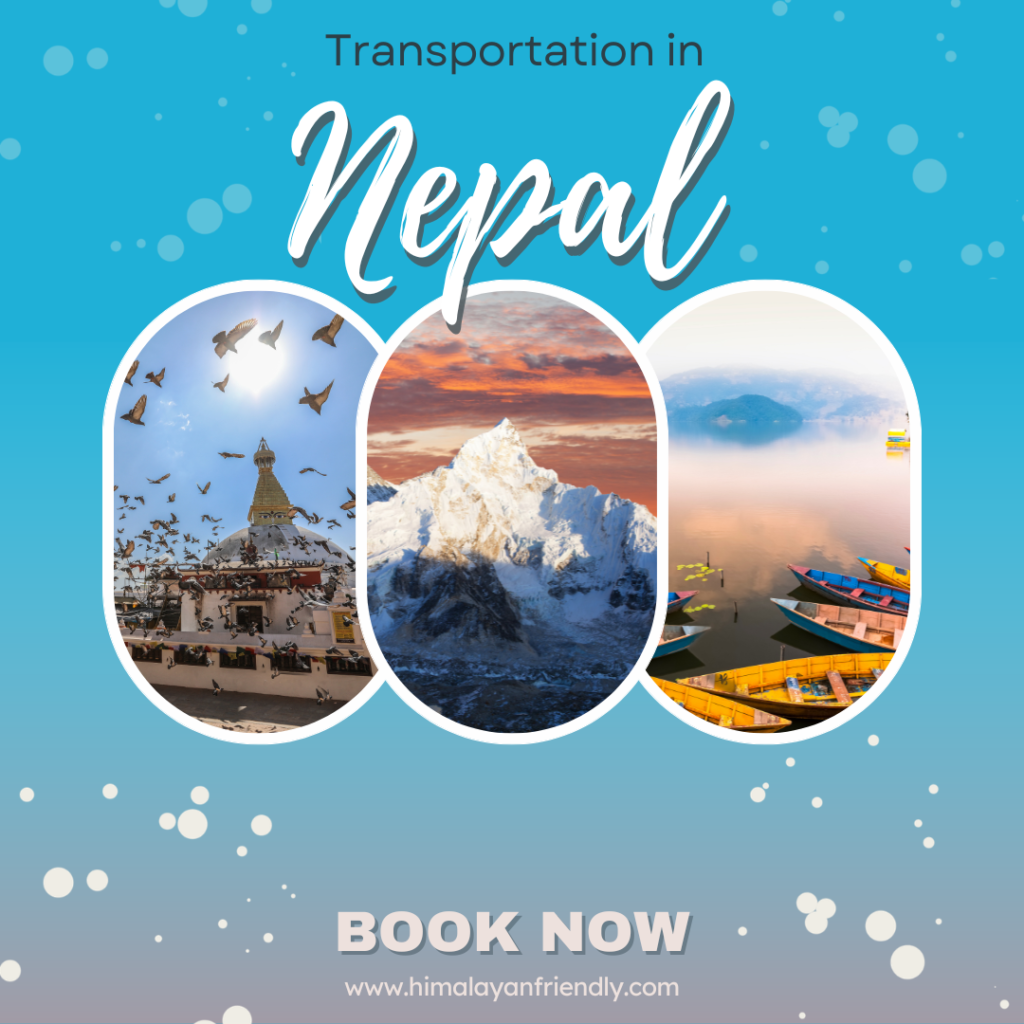
Transportation in Nepal plays a vital role in connecting cities, villages, and remote Himalayan regions across the country. Due to Nepal’s diverse geography—ranging from the flat Terai plains to the rugged Himalayan mountains—transportation methods vary significantly from region to region.
Traveling within Nepal can be an exciting adventure. Roads may wind through steep hills, flights may land on short mountain runways, and trekking trails often become the only route to remote destinations. Despite these challenges, Nepal offers several transportation options, including buses, domestic flights, taxis, motorcycles, and even traditional trekking routes.
In this comprehensive guide, we will explore all major aspects of transportation in Nepal, including road transport, air transport, railways, and alternative travel options.
Overview of Transportation in Nepal
Nepal’s transportation system includes several key sectors:
Road transportation
Domestic air travel
Railway transport
Traditional trekking routes
Urban transport systems
Because Nepal is a mountainous country, road infrastructure development has historically been difficult. However, improvements over the last few decades have significantly enhanced transportation in Nepal, making travel more accessible for both locals and tourists.
Road Transportation in Nepal
Road transportation is the most widely used mode of transportation in Nepal. Buses, microbuses, taxis, and private vehicles connect major cities and towns throughout the country.
Public Buses
Public buses are the most affordable form of transportation in Nepal. They operate across major highways and rural roads connecting various districts.
Types of Buses in Nepal
Local Buses
Cheapest option
Stop frequently
Often crowded
Tourist Buses
Designed for travelers
More comfortable seating
Air-conditioned options
Deluxe and VIP Buses
Reclining seats
Fewer passengers
Popular for long-distance travel
Common tourist bus routes include:
Kathmandu to Pokhara
Kathmandu to Chitwan
Pokhara to Lumbini
These routes are frequently used by both domestic travelers and international tourists.
Taxis and Ride-Sharing Services
Taxis are a convenient option for short-distance transportation in Nepal, especially in urban areas.
Most taxis operate with meters, although negotiation is common in some cases.
Popular Ride-Sharing Apps
Pathao
InDrive
Yango
These apps have transformed transportation in Nepal, providing convenient and affordable mobility in major cities.
Motorcycles and Scooters
Motorcycles are extremely popular for transportation in Nepal, especially among young people and commuters.
Advantages include:
Easy navigation through traffic
Lower fuel consumption
Faster travel during peak hours
Many tourists also rent scooters in cities like Pokhara and Kathmandu to explore local attractions.
Air Transportation in Nepal
Because many areas are difficult to reach by road, domestic flights play a crucial role in transportation in Nepal.
Nepal has numerous domestic airports connecting remote mountain regions.
Major Domestic Airports
Some of the busiest airports include:
Pokhara International Airport
Gautam Buddha International Airport (Bhairahawa)
Lukla Airport
Domestic airlines operate flights to trekking gateways and remote regions.
Popular Domestic Flight Routes
Common routes include:
Kathmandu to Lukla
Kathmandu to Pokhara
Kathmandu to Bharatpur
Kathmandu to Nepalgunj
Flights dramatically reduce travel time and improve accessibility to remote areas.
For example, reaching Lukla by road and trekking can take several days, but a flight from Kathmandu takes less than one hour.
Railway Transportation in Nepal
Railway infrastructure in Nepal is still developing. Compared to road and air transport, railway-based transportation in Nepal remains limited.
However, the government has been investing in railway expansion projects.
Existing Railway Route
Currently, the main railway line connects:
Jaynagar (India) to Kurtha (Nepal)
This railway is part of a broader project aiming to expand rail connectivity within Nepal and improve cross-border transportation with India.
Future railway projects may significantly improve transportation in Nepal, especially for cargo and passenger movement.
Transportation in Nepal for Tourists
Tourists visiting Nepal have several transportation choices depending on their destinations.
Tourist Buses
Tourist buses are the most comfortable road-based transportation in Nepal for travelers.
Benefits include:
Comfortable seating
Fixed schedules
English-speaking staff
Luggage storage
Popular tourist routes:
Kathmandu → Pokhara
Kathmandu → Chitwan
Pokhara → Kathmandu
Domestic Flights for Trekkers
Many trekking routes start from remote airports.
For example:
Simikot for Mount Kailash routes
Flights make trekking destinations accessible, making air travel an essential part of transportation in Nepal for trekkers.
Traditional Transportation in Remote Areas
In high Himalayan regions where roads do not exist, traditional methods are still part of transportation.
Walking and Trekking
In many remote villages, walking is the only available transport option.
Trekking routes function as transportation networks for locals carrying goods between villages.
Pack Animals
Animals play an important role in mountainous transportation in Nepal.
Common pack animals include:
Yaks
Mules
Donkeys
Horses
They are used to transport goods such as food, construction materials, and trekking supplies.
Major Highways in Nepal
Several highways connect different regions of the country.
Important highways include:
East-West Highway (Mahendra Highway)
The longest highway in Nepal connecting eastern and western regions.
Prithvi Highway
Connects Kathmandu to Pokhara and is one of the busiest highways.
Tribhuvan Highway
One of the oldest highways linking Kathmandu with southern Nepal.
Siddhartha Highway
Connects Pokhara with Lumbini.
These highways serve as the backbone of transportation.
Challenges Facing Transportation in Nepal
Despite progress, several challenges still affect transportation in Nepal.
Difficult Geography
Nepal’s mountainous terrain makes road construction expensive and time-consuming.
Landslides and Weather Conditions
During the monsoon season, landslides often disrupt road transportation.
Traffic Congestion
Urban areas, especially Kathmandu, experience heavy traffic congestion.
Infrastructure Limitations
Many rural roads are still unpaved, affecting travel speed and safety.
Future of Transportation in Nepal
The future of transportation in Nepal looks promising as the government continues investing in infrastructure.
New International Airports
Nepal has recently opened and expanded its international airports to improve connectivity.
Examples include:
Pokhara International Airport
Gautam Buddha International Airport
Railway Expansion
Several railway projects are planned to improve connectivity with neighboring countries and within Nepal.
Highway Development
New road projects and highway expansions aim to improve national mobility.
Electric Vehicles
Electric vehicles are becoming increasingly popular in urban areas as the country focuses on reducing pollution.
Tips for Traveling in Nepal
If you are planning to travel around Nepal, here are some helpful tips:
Choose the Right Transport
Flights for long-distance mountain travel
Tourist buses for comfortable road travel
Taxis or ride-sharing apps for city travel
Travel Early
Road travel often takes longer than expected due to road conditions.
Check Weather Conditions
The weather can affect flights and mountain travel.
Book Tickets in Advance
During peak trekking seasons, flights and buses fill quickly.
Why Transportation in Nepal Is Unique
What makes transportation in Nepal unique is the combination of modern and traditional travel methods.
Travelers may experience:
Scenic mountain flights
Long winding highway journeys
Trekking through Himalayan trails
Yak caravans transporting goods
Few countries offer such diverse transportation experiences.
Conclusion
Transportation in Nepal is a fascinating mix of adventure, infrastructure development, and traditional mobility systems. From bustling city taxis and tourist buses to mountain flights and yak caravans, Nepal offers a wide range of ways to travel.
While challenges such as difficult terrain and infrastructure limitations remain, ongoing investments in roads, airports, and railways are rapidly improving connectivity.
Whether you are a tourist exploring the Himalayas or a local commuting between cities, understanding transportation will help you navigate the country more efficiently and enjoy the journey along the way.
FAQs
1. What is the main mode of transportation in Nepal?
Road transport is the primary mode of transportation in Nepal, with buses, taxis, and private vehicles widely used across the country.
2. Is public transportation available in Nepal?
Yes, Nepal has public buses, microbuses, and shared taxis operating in most cities and towns.
3. Are domestic flights common in Nepal?
Yes, domestic flights are common and essential for reaching remote mountain regions such as Lukla and Jomsom.
4. Is railway transportation available in Nepal?
Railway transportation in Nepal is currently limited but expanding, with the Jaynagar–Kurtha railway already in operation.
5. Is transportation safe for tourists in Nepal?
Yes, transportation in Nepal is generally safe. However, travelers should choose reputable bus companies, check weather conditions, and allow extra travel time for delays.