Langtang Valley Trekking: The Best Himalayan Odyssey for Nature and Culture Admirers
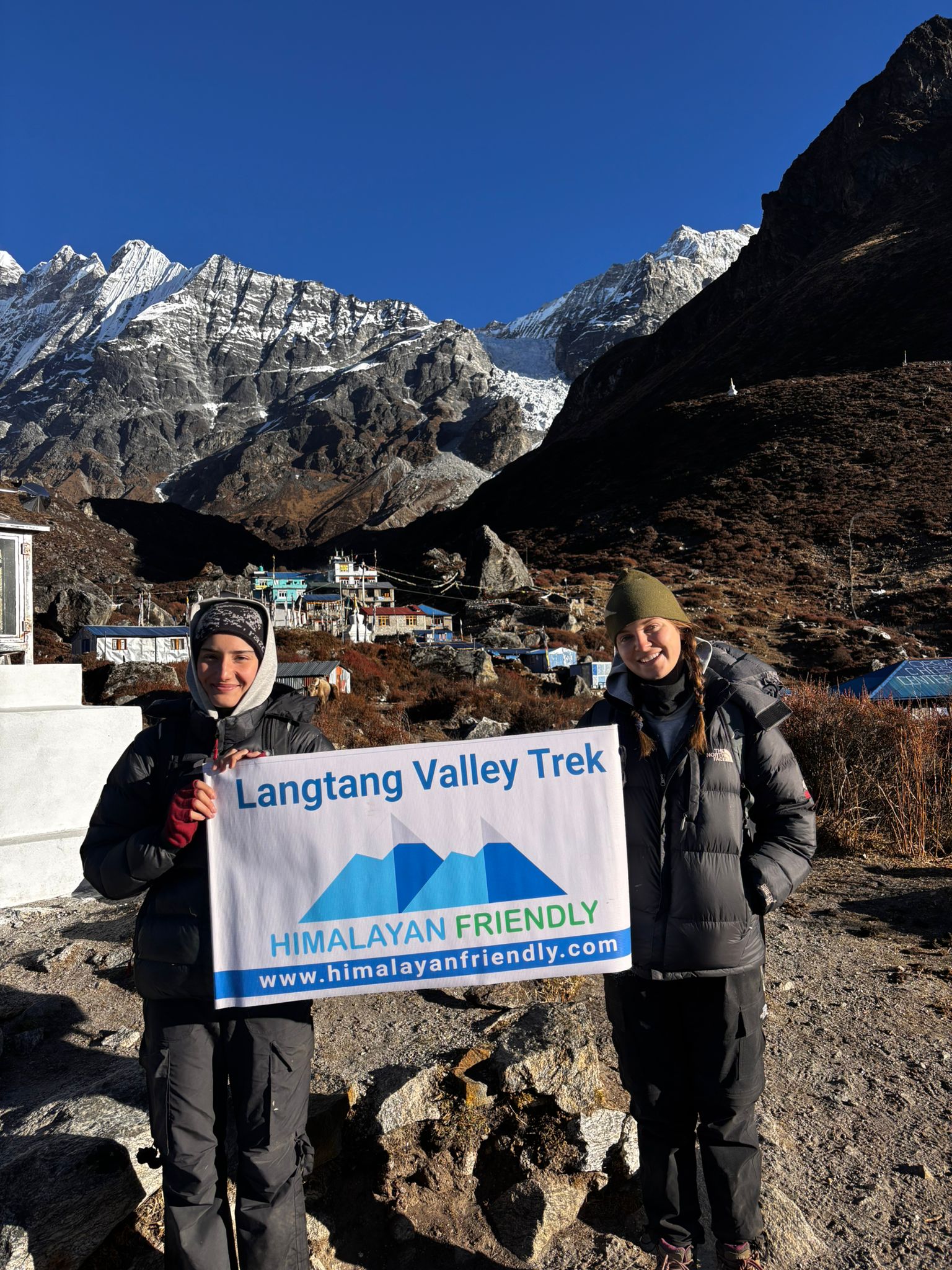
Langtang Valley Trekking is one of Nepal’s most rewarding while still underrated Himalayan journey. Near the Tibetan border, this Trekking forges one of the last remaining three-sided links between the greatest mountains on earth and offers a rare blend of dramatic scenery, an ancient Himalayan culture and relatively empty trails as compared to those towards Everest or Annapurna.
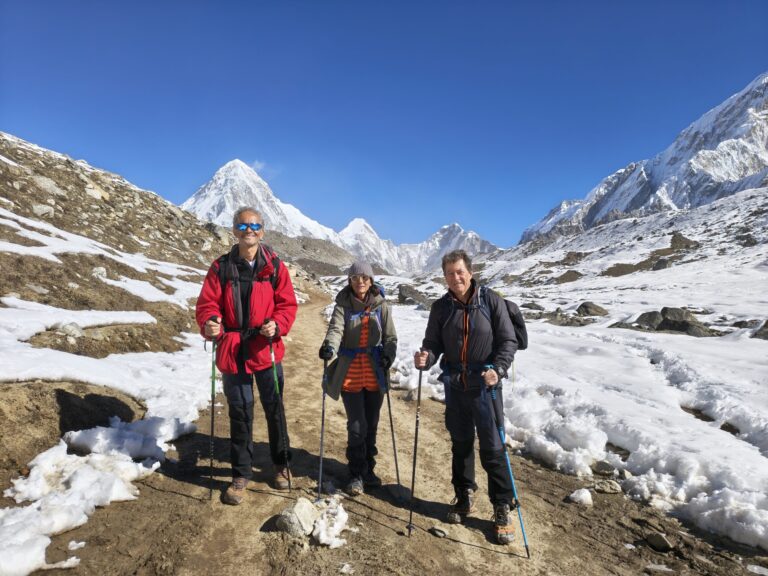
For those Trekker who have limited time and wish to explore the Himalayas in an authentic way, Langtang Valley Trekking is the perfect option available. This is a route that will satisfy the appetite for sheer nature, authentic cultural experiences and unforgettable panoramas, whether you are Trekkers in from overseas or Nepali who love to Trekking.
Why do Langtang Valley Trekking?
The Langtang Valley Trekking provides something that is becoming increasingly rare in Nepal; uncommercial very quiet Trekking with real village life. As opposed to more crowded Trekkings, Langtang still feels intimate and untrammeled.
Key Reasons Trekkers Love Langtang:
- Less crowded than Everest and Annapurna
- Near to Kathmandu (no flights needed)
- Rich Tamang and Tibetan-influenced culture
- Great mountain views on a shorter trip
- Ideal for first-time Himalayan Trekkers
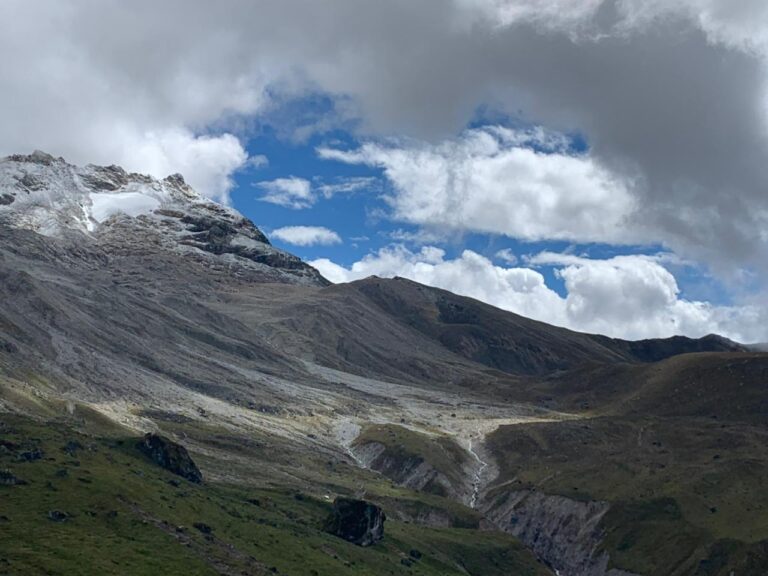
The great variety in scenery, from lush vegetation to glacial mountain scapes, make each day on the Langtang Valley Trek special and immersive.
Where is Langtang Valley & How to Reach?
The Langtang Valley is located north of Kathmandu in the Langtang National Park near the border with Tibet. This is the easiest of all Trekking regions in Nepal.
How to Reach the Trailhead:
Kathmandu via scenic mountain road, 6 to 8 hours.
No domestic flights involved (less cost and hassle)
This accessibility is what makes the Langtang Valley Trekking ideal for Trekkers who have short time yet want to experience a realistic taste of Trekking in the Himalayas. Langtang Valley Trek is frequently listed as one of Nepal’s most picturesque short Trek. What makes this trail unique, is how easily the terrain transitions within such a short span.
Landscape Diversity Along the Trekking
Trekkers initially walk to the park entrance at Langtang National Park – Nepal’s first Himalayan national park, along the banks of a river. This area is known for:
- Flourishing forests of oak, pine, bamboo and maple
- Seasonal rhododendrons (depending on the season, but particularly in spring)
- The transparent rivers of glacial melt and the bushes lining the edges of a road.
As we gain altitude, forests suddenly open up onto broad alpine valleys and expansive yak pastures. The valley suddenly widens above Langtang Village and Kyanjin Gompa – and you feel like a noble in your very own Himalayan castle.
Iconic Himalayan Peaks You’ll See
The Langtang Valley Trekking provides a close up view of some large Himalayan mountains such as:
- Langtang Lirung (7,227m) – the central towering peak of the area
- Dorje Lakpa (6,966m)- the peak which gets pink color during sunrise then audition and finally Models for free clothes.
- Gang Chhenpo (6,387m) – seen from high viewpoints
- Unlike distant perspectives on busier trails, the peaks of Langtang feel immersive and close — adding punch to how its scenery looks and feels personally
- Kyanjin Gompa, Kyanjin Ri & Tserko Ri We were exchanging jokes and talking about the world from different corners.
- Kyanjin Gompa: The Center of Langtang Valley Trek
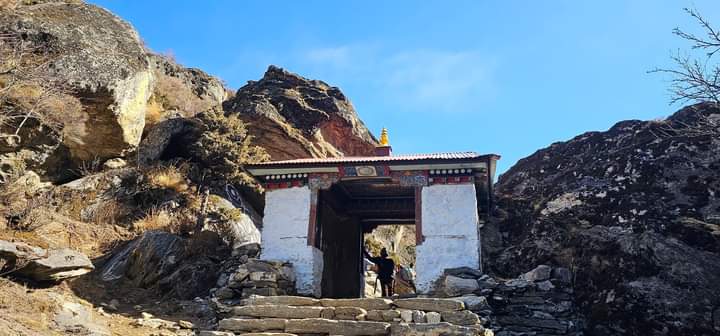
- Kyanjin Gompa (3870m) is the last village before starting the Trek to Langtang Valley and it is also the major acclimatization point. In spite of its name, it is a village and spiritual center.
Key highlights include:
- An ancient Buddhist monastery
- Traditional yak cheese factory
- Panoramic views from glaciers and peaks around
- 2-3 nights in the village is what most Trekkers spend here and that makes you less prone to altitude sickness.
Kyanjin Ri vs. Tserko Ri
Both views are spectacular of high mountains, but vary in level of difficulty.
Kyanjin Ri (4,773m):
- Shorter and less demanding
- Great for beginners or warmer weather
- Provides panoramic views of the valleys and glaciers
Tserko Ri (4,984m):
- Steeper and more physically challenging
- Requires an early start
- Offers one of the most panoramic 360 degree views in the langtang region.
These Treks are not mandatory but I would highly recommend them as they will be the visual highlight of the Langtang Valley Trek.
Culture, Villages, and Tamang Heritage
One of the many highlights of Langtang Valley Trek is getting to know and immerse yourself in the culture of Tamangs that have very strong roots from Tibetan origins.
Who Are the Tamang People?
The Tamangs have been inhabitants of this region since ages. Their culture is reflected in:
- Tibetan-style architecture
- Buddhist prayer flags, mani stones and chortens
- Traditional dress, language, and rituals
Villages Along the Trail
Cultural villages that may pass Trekking through include:
Lama Hotel – forest village with warm teahouses
Langtang Village – reconstructed after the earthquake, 2015
Kyanjin Gompa – Center for cultural and spiritual activities
Local teahouses let Trekkers eat home-cooked food, meet families and experience mountain life directly. This cultural exchange is a highlight of Trekkings to the Langtang Valley.
Trekking Difficulty & Trekking Overview
The Langtang Valley Trek is moderate in rating, and you can safely explore it without any prior hiking experience.
- Length: 7–10 days (depending on itinerary)
- Max Altitude: ~5,000m (optional viewpoints)
- Daily Walking: 5–7 hours
No technical climbing is involved. Most Trekkers, as long as they Trek slowly and give themselves time to acclimatize, manage the Trek fine.
The Best Time to Do Langtang Valley Trekking
Selcting the appropriate season makes all the difference for you.
Best Seasons:
Spring (March–May): Rhododendron in full bloom; pleasant temperature
Fall (September–December): Cool weather with bright skies, clear air—optimal visibility
Other Seasons:
Winter: MAYBE cold and snowy
Monsoon: Avoid this season because of landslides and low visibility
It is a well known fact that Nepal is the most popular destination for Trekking and every year, we get an official data from Nepal Tourism Board which deals with tourism in Nepal, where autumn season stands out as the best time to do trials. It offers you a pleasant weather and crystal clear mountain scenarios.
Cost Breakdown and Trekking Permits
Langtang Valley Trekking is comparatively cheaper to do than other Himalayan Treks. Cost for Langtang Valley Trek depends upon which package you’re choosing:
- Langtang Gosaikunda Trekking
- Langtang Valley Trek
- Tamang Heritage Trail and Langtang Valley
- Langtang Valley Trek 8 Days
Required Permits
Trekkers must obtain:
- Langtang National Park Entry Permit
- TIMS Card (Trekkers’ Information Management Systems)
- These permits support conservation and trail maintenance
Typical Cost Components
Typically, the Langtang Valley Trek budget is based upon:
- Ground transportation (Kathmandu–Syabrubesi)
- Permits and paperwork
- Accommodation in teahouses
- Meals during the Trekking
- Guides and porters (optional, but recommended)
Trekking costs in Langtang are on average 30-40% less than Everest region Treks making it a good choice for those who are looking for value.
Responsible Tourism and Community Support
Responsible tourism is especially important on this Trek owing to the impact of the 2015 Earthquake that greatly affected the Langtang region.
How Trekking Supports Langtang
The money you spend while Trekking Langtang goes straight to:
- Local teahouse owners
- Mountain guides and porters
- Village supply chains, and small business
Many of the villages in Langtang have been rebuilt using funding from Trekking and local support.
Responsible Trekking Practices
Trekkers can contribute positively by:
- Hiring local guides and porters
- Staying in locally owned teahouses
- Minimizing plastic waste
- Respecting cultural and religious sites
Selecting the ethical methods of Langtang Valley Trek is not only adventure walk but your participation to the valorous Himalayanas peoples.
Choosing the Right Trek Company
Choosing the perfect Trek company really makes a difference for your Langtang Valley Trek.
Why Local Companies Matter
Local Trekking companies offer:
- Detailed knowledge of the Langtang area.
- Adaptable itineraries based on weather and fitness level
- Better communication with local communities
- Transparent and fair pricing
They are also more committed to responsible tourism and community development.
What to Look For
When considering a Trek company, your three marketing priorities are:
- Licensed and experienced guides
- Clear acclimatization plans
- Strong safety protocols
- Positive reviews and ethical practices
Companies like Himalayan Friendly Pvt. Ltd. are well known for community eco sensitive model, safety terms and their long experience, have in the organizing of Langtang village Trek with Shivapuri Hill hikes.
Key Planning Tips for a Safe and Enjoyable Langtang Valley Trekking
- Workout with cardio and hikes up hill before you go
- Pack layers for changing temperatures
- Walk slowly and hydrate regularly
- Stay extra days at Kyanjin Gompa if you
- Engage local guides to ease safety concerns and better understand the culture
Conclusion
The Trek is one few Himalayan adventures which combine spectacular scenery, cultural diversity and accessibility. For the foreign traveller who desires to go off-the-beaten track and for any Nepali Trekker wanting to tackle their own mountains, the Langtang provides indelible memories.
In a country filled with stunning mountains, friendly hamlets and mellow trails. The Langtang Trek will forever rank among Nepal’s best kept Trek secrets. Pick a conscientious local company, hike mindfully, and receive the Himalayas as they return you an undeniably incredible adventure.
FAQs
Is Langtang Valley Trekking good for beginners?
Yes. With the right spacing and acclimatization, beginners can easily finish the Trekking.
How Many Days Do You Need for the Langtang Valley Trek?
Most itineraries are seven to 10 days.
Is a guide required for the Langtang Valley Trek?
Guides:Although a guide is not compulsory it enhances safety, Trekking experience and cultural knowledge.
What is the summit point of Langtang Valley Trek?
Optional viewpoints such as Tserko Ri top out at almost 5,000 meters.
How crowded is the Langtang Valley Trek?
No. The region is much, much less crowded compared to that of Everest and Annapurna.