The Best Trekking Guide in Nepal: Your Gateway to the Himalayas
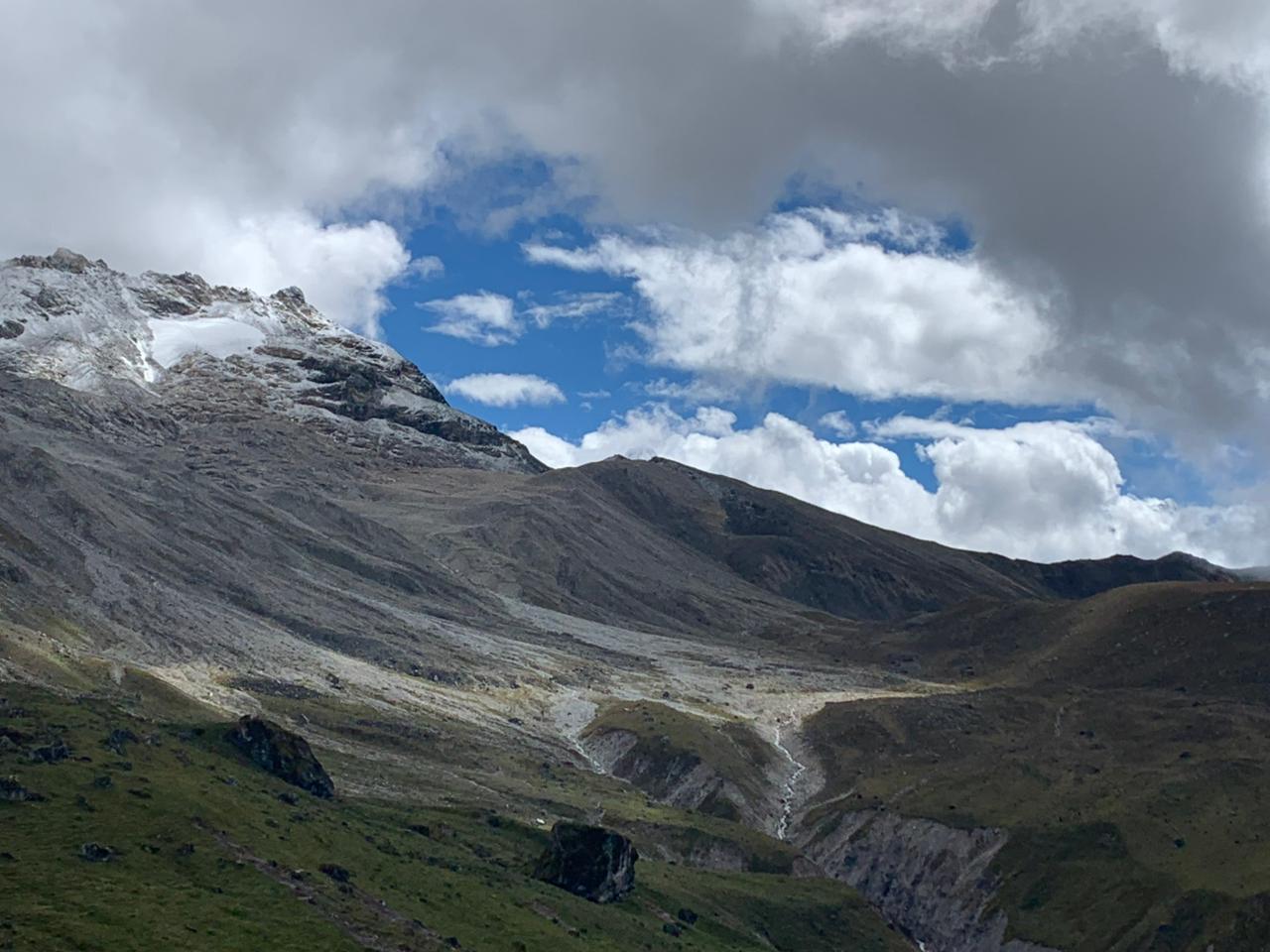
However, trekking in Nepal also involves navigating high-altitude terrain, unpredictable weather conditions, and regulated conservation areas. Many routes pass through national parks and protected regions where permits and structured trekking systems are required for safety and environmental protection.
The Role of a Trekking Guide in Nepal
A trekking guide in Nepal plays a critical role far beyond navigation. The Himalayan environment is challenging, with rapid weather changes, altitude risks, and remote trails where medical or rescue support is not easily accessible. A guide ensures trekkers remain safe by monitoring physical condition and responding to altitude sickness symptoms when necessary.
In addition to safety, guides also help trekkers stay on the correct routes, especially in regions where trails may shift due to landslides or seasonal changes. They also manage logistics such as permits, checkpoints, and coordination with local authorities, which is an essential part of trekking in Nepal’s regulated system.
Trekking Rules and Guide Requirements in Nepal
Nepal has introduced mandatory guide regulations for most trekking regions to improve safety and control tourism in fragile Himalayan ecosystems. This rule was first introduced in 2023 and continues to be enforced in 2026.
Under this system, foreign trekkers are required to be accompanied by a licensed guide registered through an authorized trekking agency. This ensures that trekking activities are properly monitored and that trekkers receive professional assistance in remote regions.
The rule is enforced at multiple checkpoints across major trekking routes, where permits and guide credentials are verified. These enforcement points help maintain safety standards and ensure compliance with Nepal’s trekking regulations.
Where Trekking Guides Are Required in Nepal
Trekking guides are required or strongly encouraged in most major trekking regions of Nepal, including Everest, Annapurna, Langtang, Manaslu, and Kanchenjunga. These regions fall under protected areas where trekking is regulated through permits and structured tourism systems.
Certain remote and restricted regions have stricter requirements where guides are mandatory without exception. These include Manaslu Circuit, Upper Mustang, Upper Dolpo, Kanchenjunga, and Nar Phu Valley. These areas require additional permits and agency-based arrangements due to their sensitive geography and remote location.
For example, the Manaslu Circuit Trek requires both a licensed guide and a registered trekking agency to obtain permits for entry. This makes independent trekking impossible in such restricted zones.
What Makes a Great Trekking Guide in Nepal
A professional trekking guide in Nepal is a certified individual trained under government-authorized systems. Training includes safety procedures, first aid, altitude sickness awareness, and trekking route management. This structured training ensures that guides can handle both routine trekking needs and emergencies.
A good guide is also experienced in managing unpredictable Himalayan conditions, including weather changes and terrain challenges. Many guides specialize in specific regions like Everest or Annapurna, which allows them to provide deeper knowledge of trails, local culture, and safety conditions.
Real Trekking Guide Profiles from Nepal and a Himalayan-Friendly Team
Nepal’s trekking industry is built on the experience of local professionals who have spent years working in the Himalayas. These guides are not only responsible for leading trekking routes but also for ensuring safety, cultural understanding, and smooth coordination throughout the journey. Many of them work closely with established trekking companies such as Himalayan Friendly, which focuses on organized, safe, and culturally immersive trekking experiences across Nepal.
Himalayan Friendly brings together experienced trekking professionals who have extensive field knowledge across major Himalayan regions. The company is led by individuals who have worked for years in the trekking industry and have contributed to shaping safe and well-structured trekking programs for both beginner and experienced trekkers. Their collective experience reflects the real expertise required to guide journeys through Nepal’s diverse and challenging mountain landscapes.
Ram Kumar Ghale (Executive Chairman – Himalayan Friendly)
Ram Kumar Ghale is the founder and managing director of Himalayan Friendly. He began his career as a licensed trekking guide in 2012 after receiving his official certification and later established his own trekking company in 2018.
He has extensive experience leading trekking programs across Nepal’s Himalayan regions and focuses on providing safe and flexible trekking experiences. His work also emphasizes cultural awareness and introduces trekkers to Nepal’s mountain traditions and heritage.
Santa Ghale (Trip Plan Advisor)
Santa Ghale has more than 14 years of experience in Nepal’s trekking industry. He has trekked extensively across major Himalayan routes, including Everest Base Camp and other high-altitude regions.
He has led multiple trekking groups and contributes to designing well-structured travel itineraries. His experience in organizing trekking programs helps ensure safe and smooth journeys for different types of trekkers.
Kamal Ghale (Trekking Guide)
Kamal Ghale has been working as a licensed trekking guide since 2007. He comes from a mountainous region of Nepal and has deep cultural knowledge of local communities, including Tamang and Sherpa traditions.
He is trained in wilderness first aid and is known for his ability to manage challenging situations in remote trekking areas. His long experience makes him highly reliable in unpredictable Himalayan environments.
Prem Gurung (Senior Trekking Guide)
Prem Gurung is an experienced trekking guide who has worked across major Himalayan regions such as Everest, Annapurna, Langtang, Makalu, and Manaslu. He originates from the Langtang region and has strong ties to mountain culture.
With over seven years of guiding experience, he specializes in leading trekking groups through both popular and remote trails while ensuring safety and cultural engagement throughout the journey.
Aita Singh Lopchan Tamang (Langtang & Everest Guide)
Aita Singh Lopchan Tamang was born in Rasuwa, near the Langtang region, and grew up in a trekking environment. He has over six years of experience guiding trekkers in Langtang, Everest Base Camp, and the Annapurna regions.
He is fluent in English, Hindi, and Nepali and focuses on ensuring trekkers feel safe, informed, and connected to the local culture throughout their Himalayan journey.
Cost of Hiring a Trekking Guide in Nepal
The cost of hiring a licensed trekking guide in Nepal generally ranges between 25 to 40 USD per day, depending on experience, region, and trekking season. This pricing reflects standard industry rates for professional guiding services in Nepal.
Costs may vary for remote or restricted trekking regions where logistics are more complex. In many cases, additional arrangements such as accommodation and meals are handled separately depending on the trekking package or agreement.
Permit System and Trekking Regulations
Nepal’s trekking system operates through a structured permit framework that varies depending on the region. Trekkers may need national park permits, conservation area permits, or restricted area permits based on their chosen route.
Permit requirements are determined by the conservation status and classification of each trekking region. In restricted areas, permits can only be issued through registered trekking agencies, making guided trekking mandatory.
Why Nepal Introduced Guide Requirements
The mandatory guide system was introduced to improve safety in remote Himalayan trekking regions. These areas involve risks such as altitude sickness, sudden weather changes, and limited access to emergency services.
The regulation was introduced following increasing safety concerns involving solo trekkers in remote regions. Guides help reduce risks by providing emergency support, monitoring trekkers’ health, and coordinating rescue operations when necessary.
Final Thoughts
The best trekking guide in Nepal is not only a navigator but also a safety partner, cultural interpreter, and logistical support system throughout the Himalayan journey. With Nepal’s regulated trekking system, guides have become an essential part of most trekking routes.
Choosing the right guide ensures a safer, more informed, and more meaningful trekking experience. It also allows trekkers to better understand Nepal’s landscapes, traditions, and mountain communities while exploring some of the world’s most beautiful trekking routes.
Frequently Asked Questions (FAQs)
1. Is a trekking guide mandatory in Nepal?
Yes, in most major trekking regions of Nepal, foreign trekkers are required to hire a licensed guide. This rule was introduced to improve safety and is now enforced across popular trekking routes and restricted areas.
2. How much does a trekking guide cost in Nepal?
A licensed trekking guide in Nepal typically costs between 25 to 40 USD per day, depending on experience, trekking region, and season. Costs may vary for remote or restricted trekking routes.
3. What qualifications does a trekking guide in Nepal need?
A licensed trekking guide must complete government-approved training that includes first aid, safety procedures, and trekking management skills. This ensures they are prepared to handle high-altitude trekking conditions and emergencies.
4. Can I trek independently in Nepal?
Independent trekking is restricted in most major trekking regions, especially in conservation and restricted areas. Many routes now require trekkers to be accompanied by a licensed guide for safety and permit compliance.
5. Which trekking regions in Nepal require a guide?
Regions such as Everest, Annapurna, Langtang, Manaslu, Kanchenjunga, Upper Mustang, and Upper Dolpo require or strongly enforce the use of licensed trekking guides due to safety and regulatory reasons.