Annapurna Base Camp Trek Itinerary
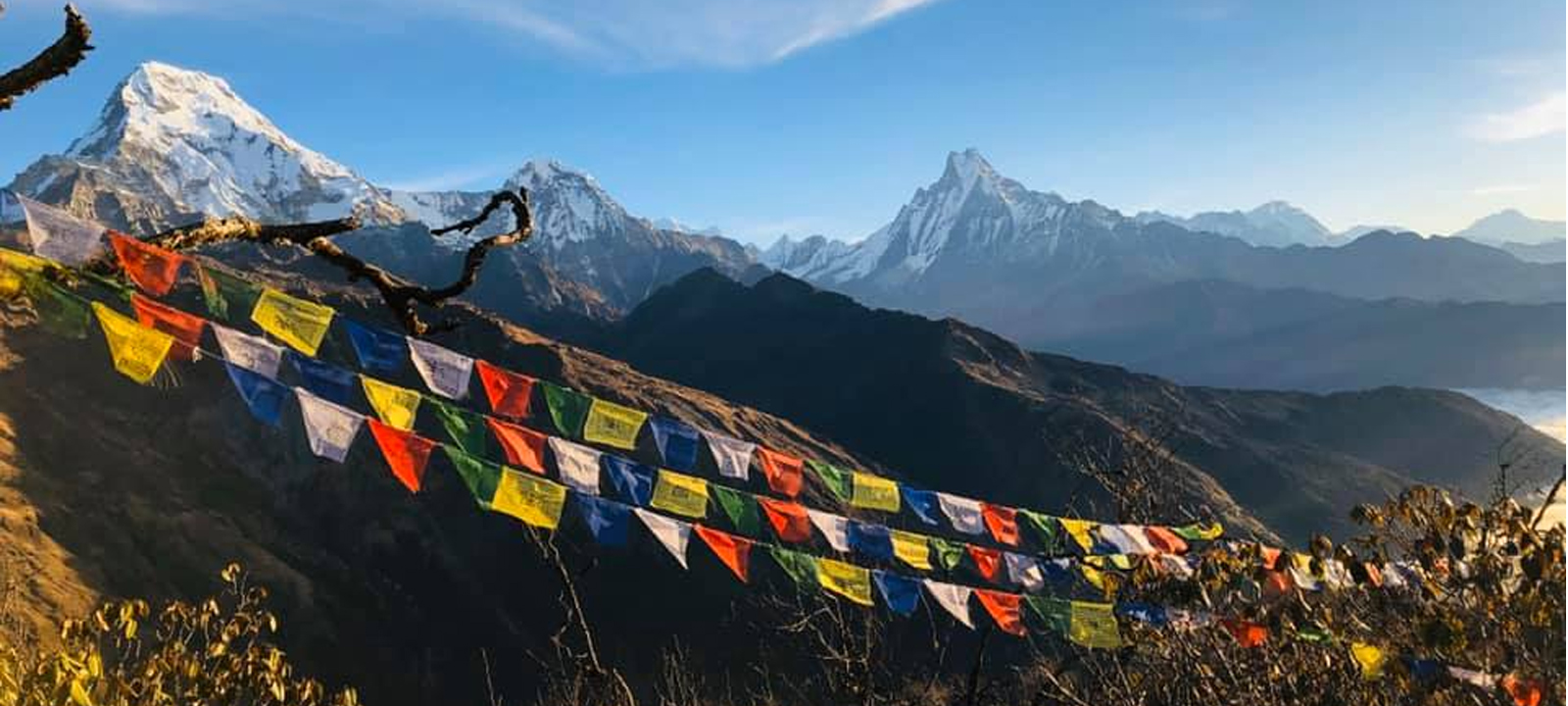
Annapurna Base Camp Trek Itinerary in Nepal is a fantastic place to go trekking. One of the most spectacular routes here is the Annapurna Base Camp (ABC) trek. It is popular among trekkers as a shorter and less expensive option to the Everest Base Camp trek. The base camp is in a surreal location surrounded by some of the highest mountains in the world, including Hiunchuli (8091 m), Annapurna I (8091 m), Annapurna South (7219 m), and the fishtail-shaped Machapuchhre (6993 m). The Itinerary of the hike to Annapurna Base Camp ranges from 7 to 14 days and can be accessed from several trailheads.
The cost of the Annapurna Base Camp trek will be determined by the type of trek you are willing to make, your trekking route, duration on the trail, and the season you are trekking. The trek passes through intriguing towns and terraced fields, providing a glimpse on local lifestyle of this region. It offers breathtaking views of towering cliffs with rivers flowing below as the route passes over glaciers, rivers, waterfalls and rhododendron forests. If it’s your first trek to ABC, you must be worried about the weather in Himalayas and confused on when to trek ABC for the best experience.
Quick Facts About Annapurna Base Camp Trek
Key Information (Most Important Overview for Planning the Trek):
- Max altitude: 4,130m at Annapurna Base Camp (ABC)
- Duration: 7–14 days, depending on route and pace
- Difficulty: Moderate (long stair climbs + high altitude walking)
- Starting point: Pokhara → Nayapul (classic trailhead)
- Accommodation: Teahouses (basic lodges with meals along the route)
We frequently come across questions about how hard the ABC trek is.
Well, this trek is suitable for everyone, regardless of the duration of stay and families with children. The scenery is stunning, the culture is fascinating, the lodging is cozy, and the walking is not too tiring. But make sure to go through our packing guide to make the trek more comfortable and enjoyable.
If you are short of time, we recommend you to take ABC trek 7 days series. It is designed by our highly experienced trekking guides considering your time limit and a keen interest in trekking to Annapurna where you can get engaged in local cultures and enjoy the beauty of natural variations.
Annapurna Base Camp Trek is 28 kilometers long. The distance becomes 56 kilometers when the return trip is added up. The whole Annapurna Circuit is around 160km-220km. So, a sizable chunk of the entire circuit is made up by the Annapurna Base Camp Trek. ABC Trek can be completed in 7–14 days. However, a perfect ABC Trek would last 12–14 days in order to fully explore the mountain vistas, as well as the stunning fauna and vegetation.
Please kindly refer our itinerary for Annapurna Base Camp Trek (ABC trek) of 7 days, 10 days and 14 days and choose the one that best suits your time.
Annapurna Base Camp Trek Itinerary- 7 days
Himalayan Friendly has designed the 7 days itinerary for annapurna base camp trek . Who wish to hiking to Annapurna base camp with limited days for Annapurna base camp as below our 7 days itinerary .
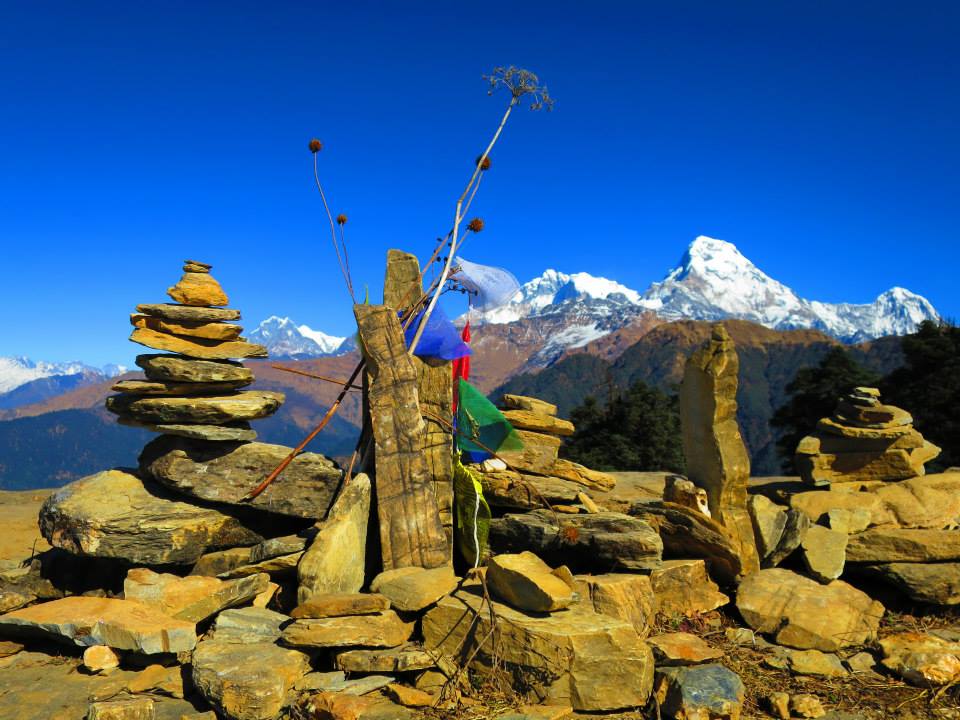
Day 1: Pokhara to Chomrung via Jhinudada
If you are in Kathmandu, you can take an early flight or drive to Pokhara. Our guide will pick you up here and we will trek to Ghandruk for 3 hours. Half of the trail is road while the other half is a walking route. On a clear day, you see a nice view of Annapurna South, Himchuli, Annapurna III, Machhapuchhre, etc. In the afternoon, you will explore Ghandruk village and Gurung Museum. Then, you will continue trekking to Chomrong and stay overnight.
Altitude: 2,150 meters
Driving Time: 6-7 hours (Apart from Kathmandu-Pokhara flying/driving time)
Difficulty Level: Easy
Major Attractions: Ghandruk Village, Ghandruk Museum
Day 2: Chomrung to Dhovan
From Chomrung, you will trek down to the river and climb upward to Sinuwa. If the weather remains clear, you will have a fantastic view of mountains and surrounding area. The trail offers uphill and jungle walks with varying flora and fauna.
Altitude: 2,500 meters
Walking Time: 5-7 hours
Difficulty Level: Moderate
Major Attractions: Chomrung village, Komrong Khola
Day 3: Dhovan to Deurali
We will wake up early morning and observe the greatest view of mountains and the dews-formed environment. After having a light breakfast, we will start the trek to Deurali (3,200m) which is 6 to 7 hours uphill and jungle walks. We will observe various flora and fauna on the way passing through Bamboo, Dovan, and Himalaya.
Altitude: 3,200 meters
Walking Time: 6-7 hours
Difficulty Level: Moderate
Major Attractions: Bamboo Forest, Deurali
Day 4: Deurali to Annapurna Base Camp via Machhapuchhre Base Camp
Today is the most awaited day of our trek. We will reach Annapurna Base Camp after 5-6 hours of walking. It is located at the altitude of 4,130 meters, which is the highest altitude during our trek. Then, we will descend to Machhapuchhre Base Camp (3,700 meters). On the way, we can have 360 degree majestic view of mountains like Machhapuchhre (Fishtail), Annapurna South, Annapurna III, Himchuli, Gandharva Chuli, Glacier Dom, Gangapurna, and many more. We will have the best sunset view ever if the weather is in our favor.
Altitude: 4,130 meters
Walking Time: 5-6 hours
Difficulty Level: Moderate
Major Attractions: Sunset, Mountain View, ABC and MBC
Day 5: Annapurna Base Camp to Himalaya
We will have a pleasing Himalayan vista of Annapurna I, Tent Peak, Annapurna South, Barahi Shikhar, Himchuli, and Gandharvachuli in the early morning along with beautiful sunrise in the Himalayas. Then we will trek for 6-7 hours to Bamboo (2,340m) via Machhapuchhre Base Camp.
Altitude: 2,400 meters
Walking Time: 6-7 hours
Difficulty Level: Moderate
Major Attractions: Machhapuchhre Base Camp, Mountain View, Himalaya
Day 6: Himalaya to Jhinu Dada
We will trek from Himalaya to Jhinu Dada via Dovan and Bamboo for 6-7 hours. Jhinu is located at an altitude of 1,690m from sea level. On the way, you will enjoy natural hot spring.
Altitude: 2,150 meters
Walking Time: 6-7 hours
Difficulty Level: Moderate
Major Attractions: Dovan, Bamboo, Hot Spring
Day 7: Jhinu Dada to Syaule Bazzar and Drive to Pokhara
This day, we will trek from Jhinu to Syaule Bazar for 4 hours. From here, we will drive to Pokhara.
Altitude: 900 meters
Walking Time: 4 hours
Difficulty Level: Easy
Major Attractions: Pokhara sightseeing
Annapurna Base Camp Trek Itinerary 10 Days
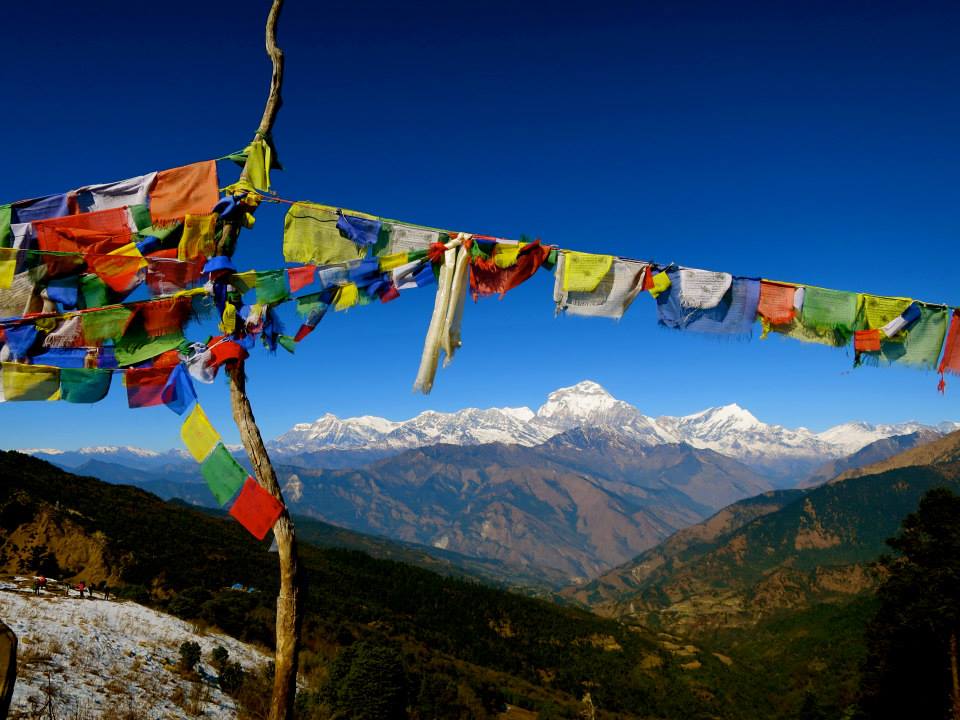
Day 1: Fly to Pokhara (900m) and trek to Tikhedunga
We will start our trek flying to the beautiful city of Pokhara. We will drive to Nayapul along Modi River and trek for 4-5 hours to the beautiful village of Tikhedhunga. If the weather is clear, we will have beautiful view of Machhapuchhre.
Highest Altitude: 1,480 meters
Walking Time: 4-5 hours
Difficulty Level: Easy
Major Attractions: Machhapuchhre view, Modi River
Day 2: Trek to Gorepani
We will trek for 6-7 hours all the way through Ulleri, Banthanti and Nangee thanti which provides a panoramic view of mountains.
Highest Altitude: 2,860 meters
Walking Time: 6-7 hours
Difficulty Level: Difficult
Major Attractions: Rhododendron Forest (Mostly in April), mountain views, Gurung village
Day 3: Hike to poon hill and trek to tadapani
We will hike for 5-6 hours passing through beautiful forests and waterfalls. We have to climb many stairs on the way which might make the trek a bit difficult but the beautiful scenery will make us forget the tiredness.
Highest Altitude: 3,210 meters
Walking Time: 5-6 hours
Difficulty Level: Moderate
Major Attractions: Waterfalls, best view of Annapurna, Dhaulagiri and Machhapuchhre
Day 4: Trek to Chomrong
We will trek for 5-6 hours exploring the beautiful Chuile, Kimrong Khola, Ghurjung and Taulung villages. The soothing natural beauty, vivid cultures, stunning view of Himalayas, beautiful landscapes and pleasing climate are the major attractions for the day.
Highest Altitude: 2,150 meters
Walking Time: 5-6 hours
Difficulty Level: Moderate
Major Attractions: Local villages, mountain views and Himalayan Cultures
Day 5: Trek to Himalaya
The way to Chomrong Khola is on steep stones. Then, the way up will be through terraced fields and bamboo and rhododendron forest. We will occasionally find tantalizing glimpses of the Annapurnas and Machhapuchhare ahead, but more often, we will be treated by the verdant forest canopy.
Highest Altitude: 2,680 meters
Walking Time: 6-7 hours
Difficulty Level: Moderate
Major Attractions: Bamboo and rhododendron forest, Chomrong Khola, Mountain View
We will pass through Machhapuchhre Base Camp to Annapurna Base Camp. The vegetation will be replaced with snow, rocks and boulders as we go up. We will trek slowly to acclimatize to the higher elevation. The path widens as we enter Annapurna Sanctuary. We will continue uphill with unobstructed views of Machapuchare, Annapurna south, Annapurna I, Hiuchuli, and other peaks.
Highest Altitude: 4,130 meters
Walking Time: 7 hours
Difficulty Level: Moderate
Major Attractions: Mountain View, Machhapuchhre Base Camp, Annapurna Base Camp
Day 7: Trek to Bamboo
Today, it’s all downhill as we will return to Bamboo from Annapurna Base Camp. We will enjoy the landscape and vegetation change as we descend down the mountain.
Walking Time: 4-5 hours
Difficulty Level: Easy
Major Attractions: Sunrise in the Himalayas
Day 8: Trek to Jhinu danda
We will continue to retrace our steps, ending the day at Jhinu Danda. In the afternoon, we will relax in the natural hot springs. A soak in the spring is sure to rejuvenate you after your time on the trail.
Walking Time: 6 hours
Difficulty Level: Easy
Major Attractions: Hit spring
Day 9: Trek to Nayapul and Drive to Pokhara
This morning, we will trek downwards to the river and onward to Nayapul, where the vehicle will be waiting for us to drive to Pokhara. We will explore Pokhara rest of the day tucking into a delicious meal in one of the finest eateries and stroll around Phewa Lake.
Walking Time: 2 hours (Driving time- 3 hours)
Difficulty Level: Easy
Major Attractions: Sightseeing in Pokhara
Day 10: Back to Ktm
We will stroll around Pokhara before flight. We will pick you up around 1.5 hours before the flight and we will be in Kathmandu. If we get time, we will do sightseeing in the famous places of Kathmandu.
- Major Attractions: Pokhara and Kathmandu sightseeing
Terrain Breakdown of Annapurna Base Camp Trek (HIGH EEAT SECTION)
The Annapurna Base Camp trek has five clear terrain zones: steep stone stair climbs at Chhomrong, dense forest trails between Bamboo and Deurali, high-altitude alpine sections above 3,000m, an avalanche-prone valley near Deurali, and a final glacier basin inside Annapurna Sanctuary reaching 4,130m at ABC.
Stone Stair Sections (Chhomrong)
Chhomrong is one of the toughest physical sections of the Annapurna Base Camp route because of continuous stone stair ascents and descents linking villages across steep hillsides. The trail repeatedly gains and loses elevation, which puts consistent pressure on knees and leg muscles, especially during the descent after the trek.
Dense Forest Zone (Bamboo to Deurali)
Between Bamboo and Deurali, the trail moves through thick rhododendron and bamboo forests with a steady uphill gradient. This section has narrow paths, high humidity, and limited sunlight in parts of the trail, which makes it physically tiring even without extreme altitude gain.
High-Altitude Cold Zone (Above 3,000m)
From Deurali onwards, the trek enters a high-altitude alpine zone where oxygen levels drop and temperatures fall sharply. Vegetation becomes sparse, and walking pace naturally slows due to thinner air, especially as trekkers approach Machhapuchhre Base Camp and beyond.
Avalanche-Prone Section (Deurali Area)
The trail between Deurali and Machhapuchhre Base Camp passes through a narrow valley with steep rock faces on both sides. This section is known for avalanche risk during winter and early spring due to snow accumulation, and safe passage is generally recommended during stable weather conditions.
Glacier Valley Approach (Machhapuchhre Base Camp to ABC)
The final approach into Annapurna Base Camp opens into a wide glacier basin known as the Annapurna Sanctuary. The forest disappears completely, replaced by moraine and rocky terrain, with direct views of Annapurna I and surrounding peaks before reaching the final altitude of 4,130m.
Permits Required for Annapurna Base Camp Trek
You need two permits for the Annapurna Base Camp trek: the Annapurna Conservation Area Permit (ACAP) and a TIMS (Trekkers’ Information Management System) card, both issued in Kathmandu or Pokhara before starting the trek.
Annapurna Conservation Area Permit (ACAP)
The ACAP permit is mandatory because the trek passes through the Annapurna Conservation Area, a protected region managed by the National Trust for Nature Conservation. This permit helps fund trail maintenance, conservation, and local community projects.
- Required for all foreign trekkers
- Checked at multiple entry points along the route
- Issued with a passport copy and photos
Where to Get These Permits (Kathmandu or Pokhara)
Both ACAP and TIMS permits can be obtained before starting the trek from official offices in Kathmandu or Pokhara.
- Nepal Tourism Board office (Kathmandu)
- Tourism Service Center (Pokhara)
- Trekking Agencies’ Association of Nepal (TAAN) offices
You should arrange permits at least a day before your trek to avoid delays at checkpoints.
Trekking Tips for the Annapurna Base Camp Route
Start early each day, secure teahouses in advance during peak season, carry enough cash, pace yourself on Chhomrong’s stairs, and use proper layering—these are the most practical steps to stay safe and comfortable on the Annapurna Base Camp trek.
Start Trekking Early Each Day
Early starts help you avoid afternoon weather changes, which are common in the Annapurna region. Mornings are clearer for views and safer for walking, especially in higher sections where clouds and wind build up later in the day.
Book Teahouses in Peak Season
During spring (March–May) and autumn (September–November), teahouses fill up quickly along the route. Booking ahead or arriving early in the afternoon ensures you get a room, especially in places like Chhomrong, Deurali, and Annapurna Base Camp.
Carry Cash (No ATMs on the Route)
There are no reliable ATMs beyond Pokhara. Teahouses, food, and charging services are all cash-based, and prices increase with altitude. Carry enough Nepalese rupees before starting the trek.
Avoid Rushing Chhomrong Stairs
The Chhomrong section includes long, steep stone staircases that are physically demanding. Moving too fast here increases fatigue early in the trek. A steady pace helps conserve energy for higher altitude sections.
Layer Clothing Properly
Temperatures vary significantly—from warm lower villages to freezing conditions near base camp. Use a layered system (base layer, insulation, outer shell) so you can adjust easily while trekking.
FAQs About Annapurna Base Camp Trek Itinerary
The Annapurna Base Camp trek typically takes 7–14 days, with a 10-day itinerary being the most balanced option for altitude, pacing, and overall experience.
What is the best itinerary for Annapurna Base Camp trek?
The best itinerary is 10 days, as it balances acclimatization, daily walking distance, and overall trekking comfort.
Can beginners do the ABC trek?
Yes, beginners can do the ABC trek by choosing a slower 12–14 day itinerary with proper acclimatization.
What is the shortest ABC trek?
The shortest Annapurna Base Camp trek can be completed in around 7 days with a faster pace and fewer acclimatization stops.
How difficult is the ABC trek?
The ABC trek is moderate in difficulty, with long stair sections, steady ascents, and trekking up to 4,130m altitude.
Do I need a guide for the ABC trek?
A guide is not mandatory, but it is recommended for navigation, safety, and local support.
How high is Annapurna Base Camp?
Annapurna Base Camp is at 4,130 meters above sea level.