
Highlights of the Annapurna Circuit Trek (15 Days)
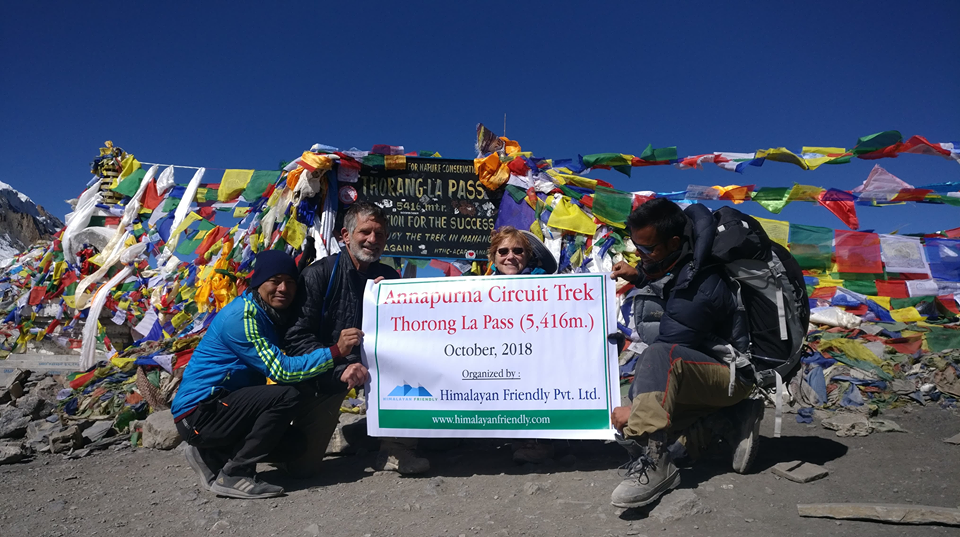
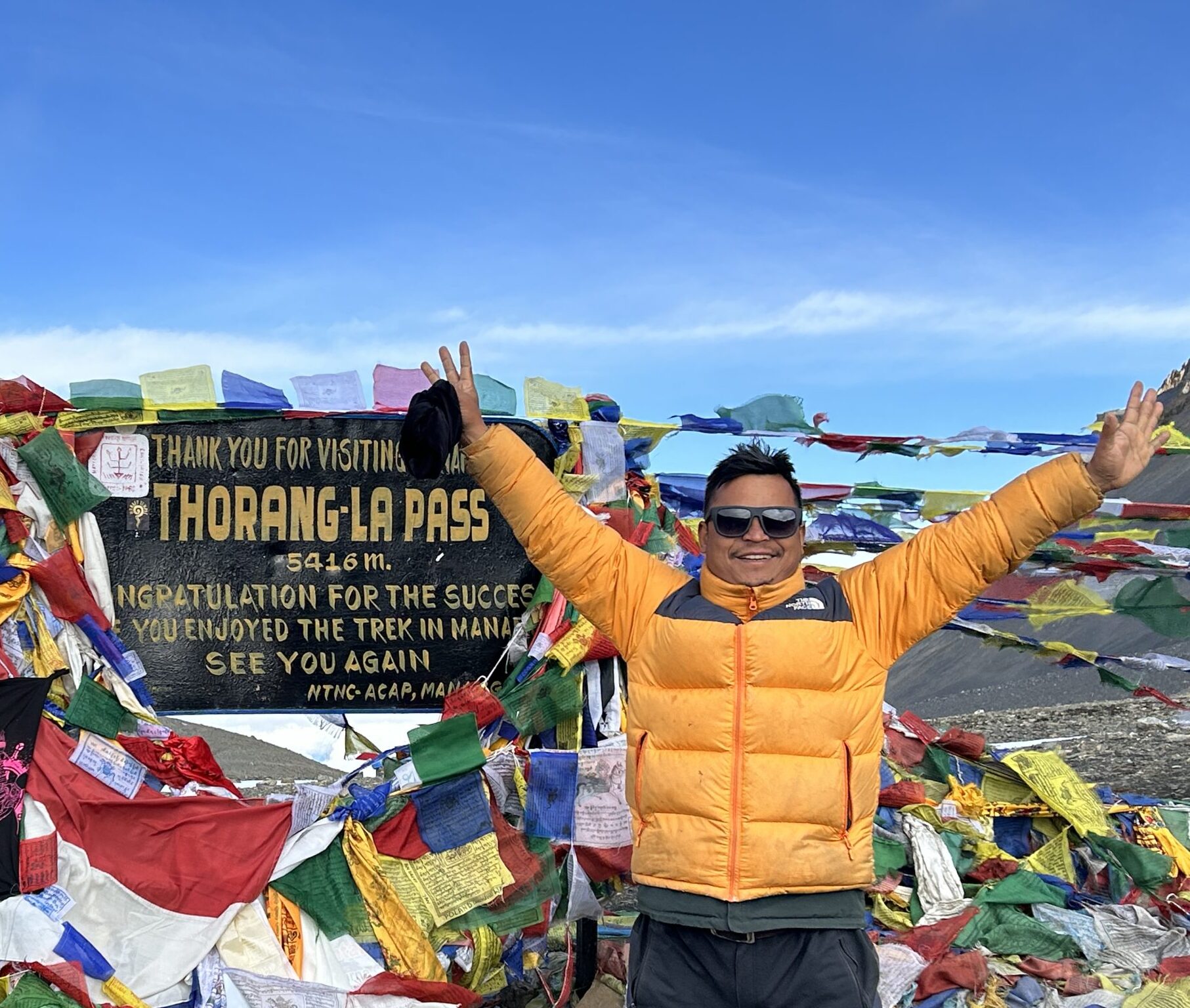
- Trek across one of Nepal’s most diverse Himalayan routes, starting in subtropical river valleys and finishing in the dry, high-altitude landscape of Mustang after crossing the iconic Thorong La Pass (5,416m).
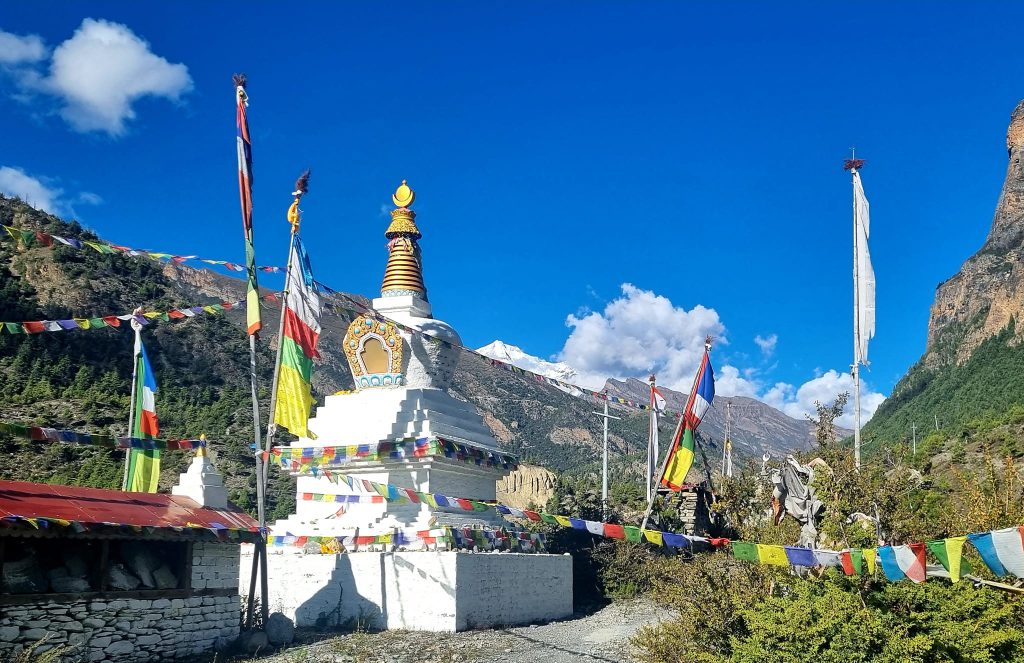
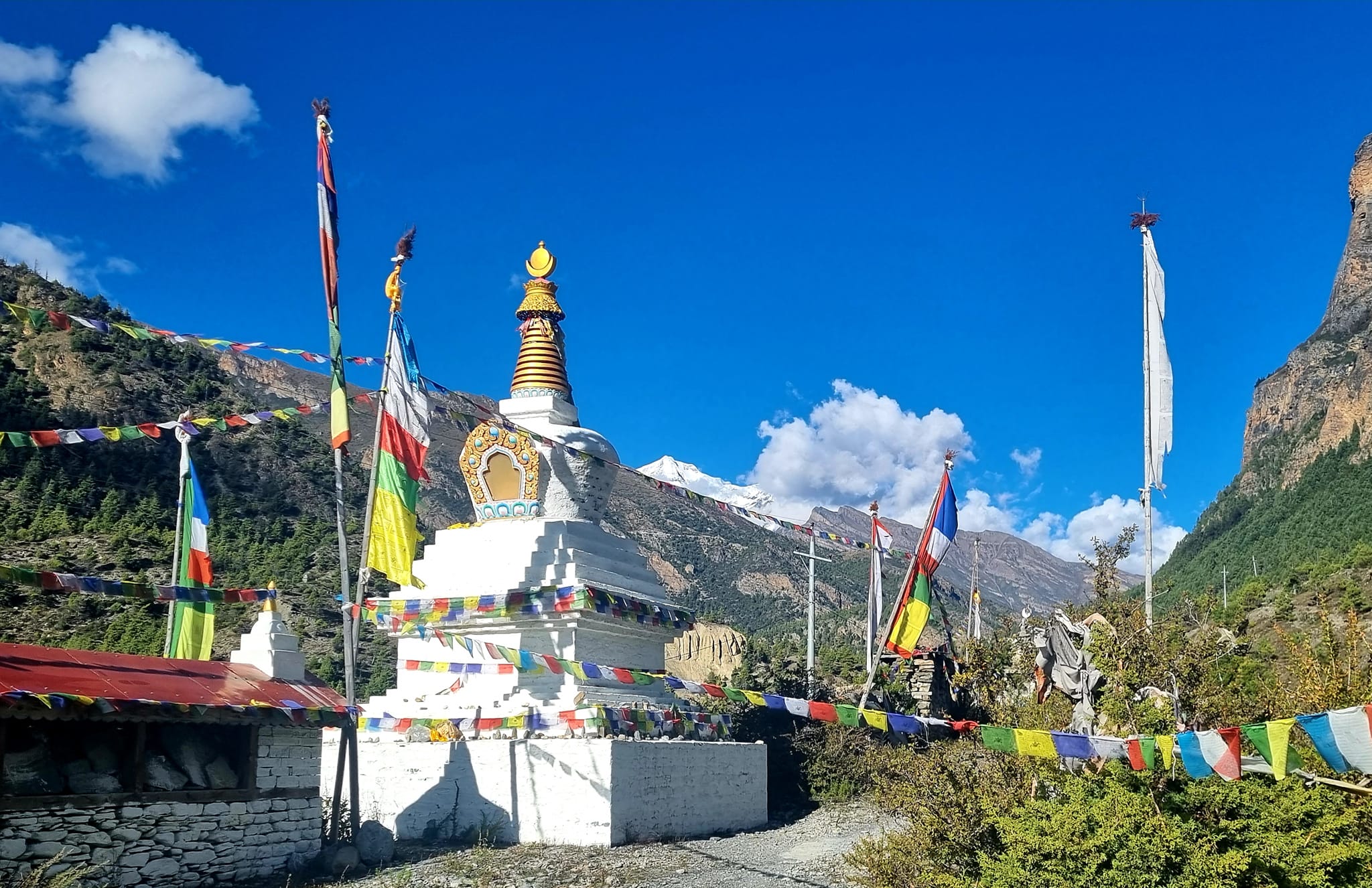
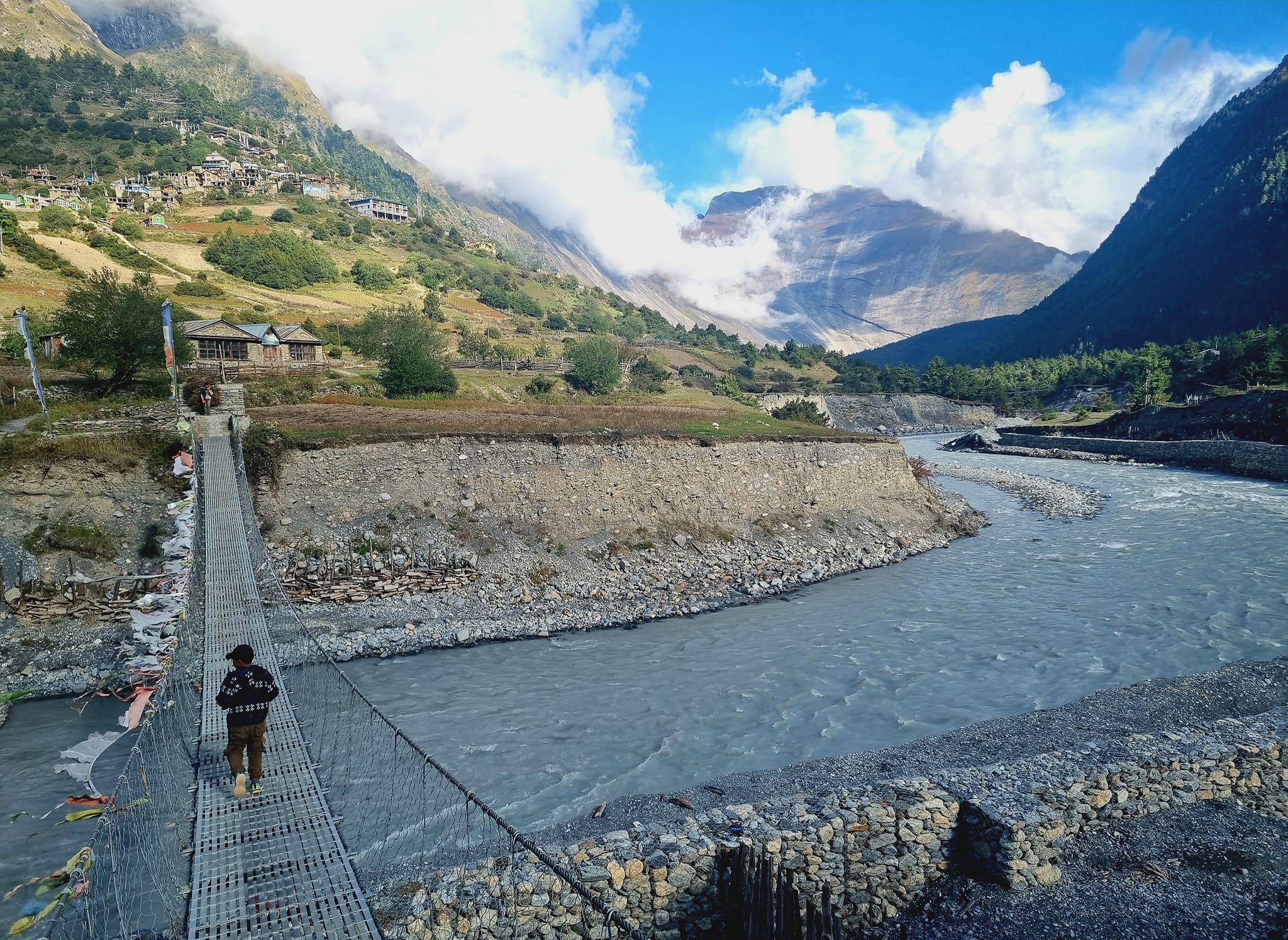
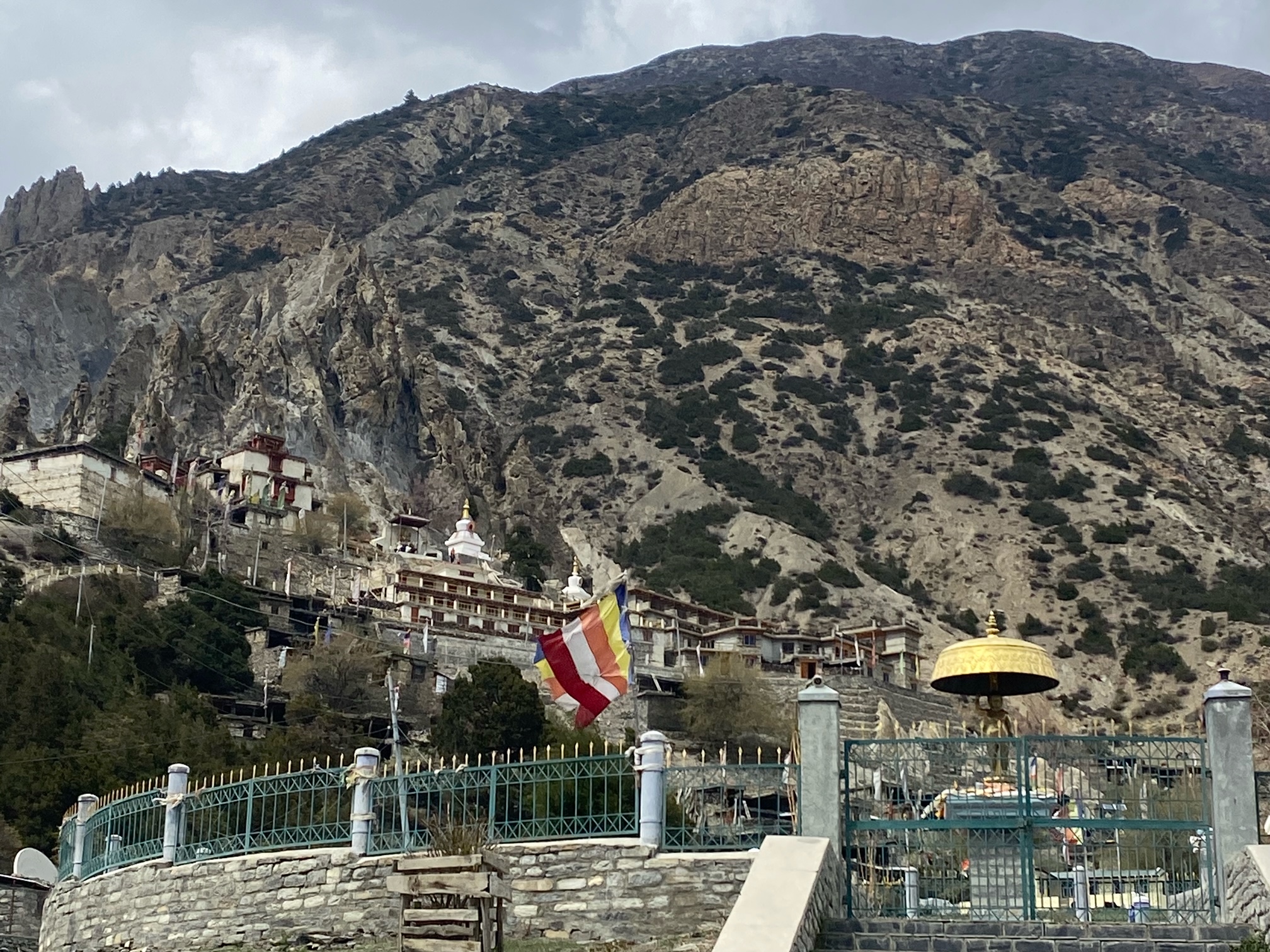
- Walk through traditional Gurung, Manangi, and Thakali villages, where stone houses, prayer flags, monasteries, and mountain hospitality reflect centuries-old Himalayan culture and trade routes.
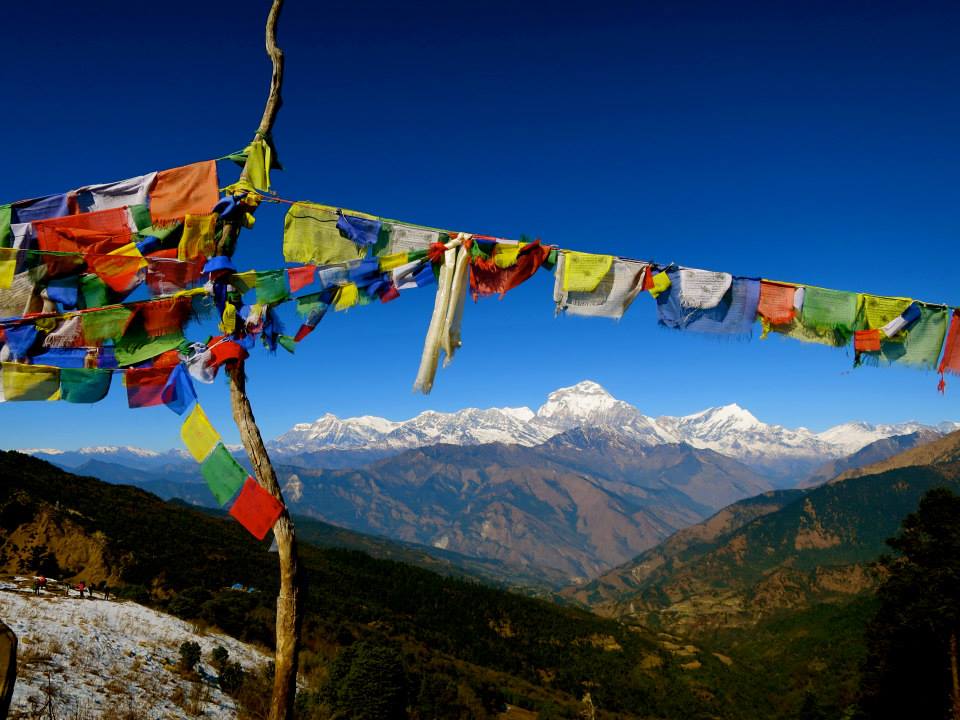
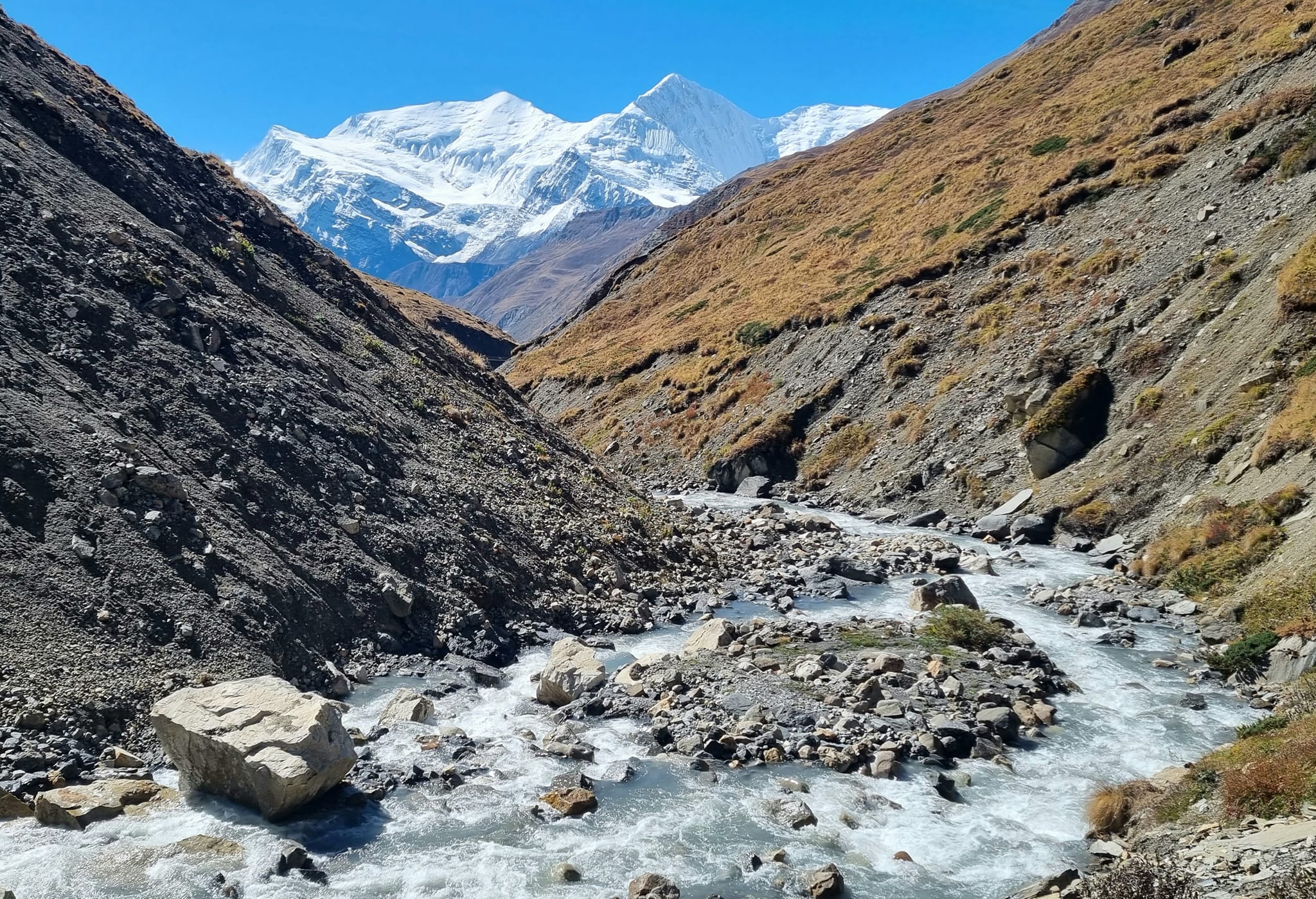
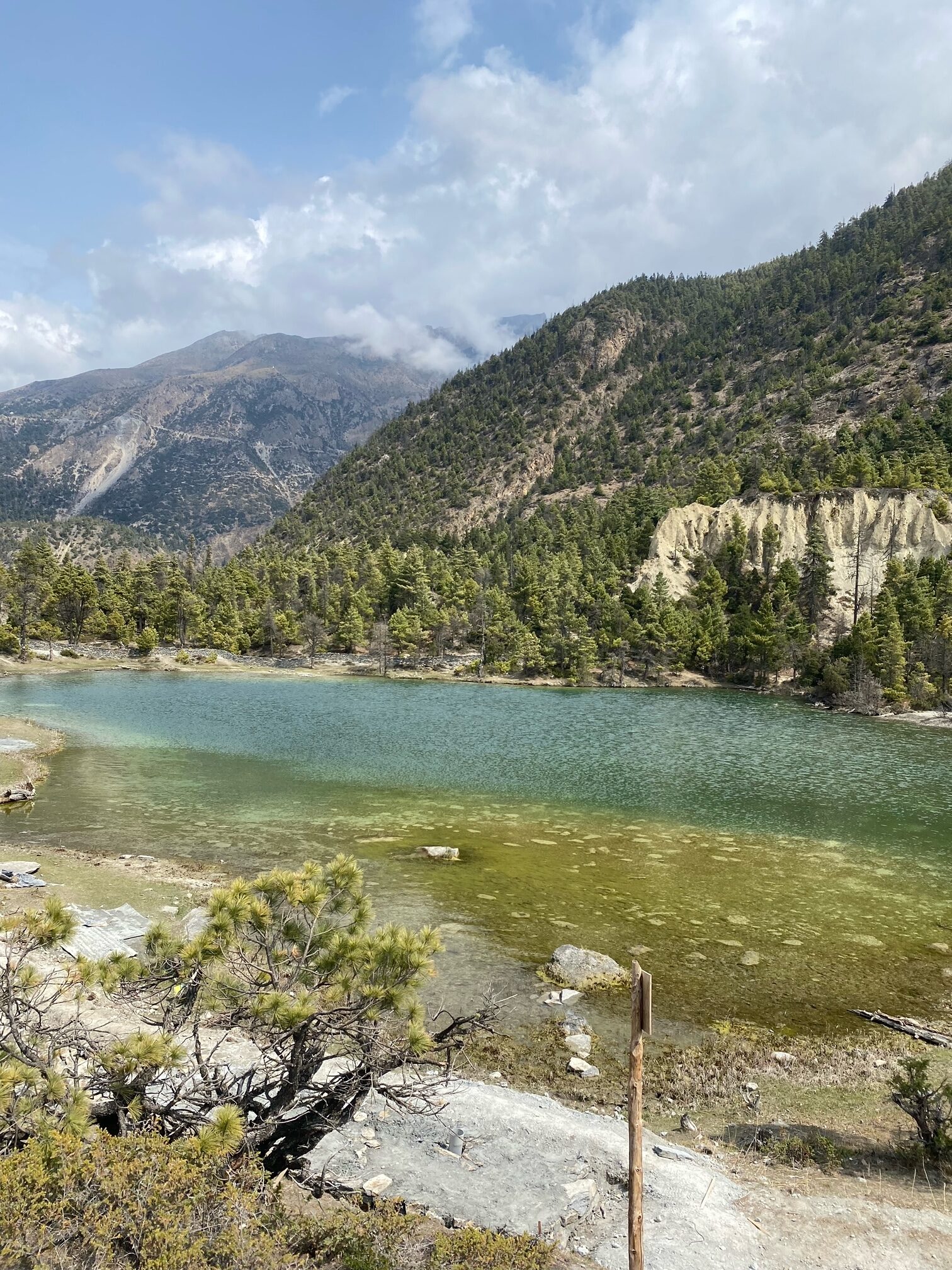
- Experience dramatic scenery changes almost every day, from pine forests and waterfalls to wide alpine valleys, glacial terrain, and wind-swept highlands beyond the pass.
- Spend time in Manang Valley, one of the best acclimatization stops in Nepal, with side hikes, open mountain views, and a strong Tibetan-influenced culture.
- Descend into the Kali Gandaki Gorge, one of the deepest gorges in the world, offering a raw and striking contrast to the greener eastern side of the circuit.
- Visit Muktinath, a sacred pilgrimage site for both Hindus and Buddhists, adding spiritual and cultural depth to the trekking experience.
Overview of the Annapurna Circuit Trek 15 days
The trail loops around the Annapurna range in central Nepal, climbing steadily from low valleys to the Thorong La Pass at 5,416 meters the highest point of the trek. A 15-day route gives you time to walk at a safe pace, adjust to the altitude, and enjoy places like Manang instead of rushing through them. It’s a moderate-to-challenging trek, but you don’t need to be a mountaineer just reasonably fit and patient with yourself.
The best time to go is spring (March to May) or autumn (September to November) when the weather is stable and the views are clear. What makes the Annapurna Circuit special isn’t just the mountains; it’s the sense of progression. You move through different climates, cultures, and landscapes, staying in small villages where trekking is part of daily life.
Compared to the Annapurna Base Camp trek, the circuit is longer and more varied, with fewer crowds once you get higher up. It’s the kind of Nepal trekking experience that pushes you physically, slows you down mentally, and leaves you feeling like you’ve earned every view along the way.
Quick Facts: Annapurna Circuit Trek – 15 Days at a Glance
| Fact | Details |
| Duration | 15 days (including acclimatization and rest days) |
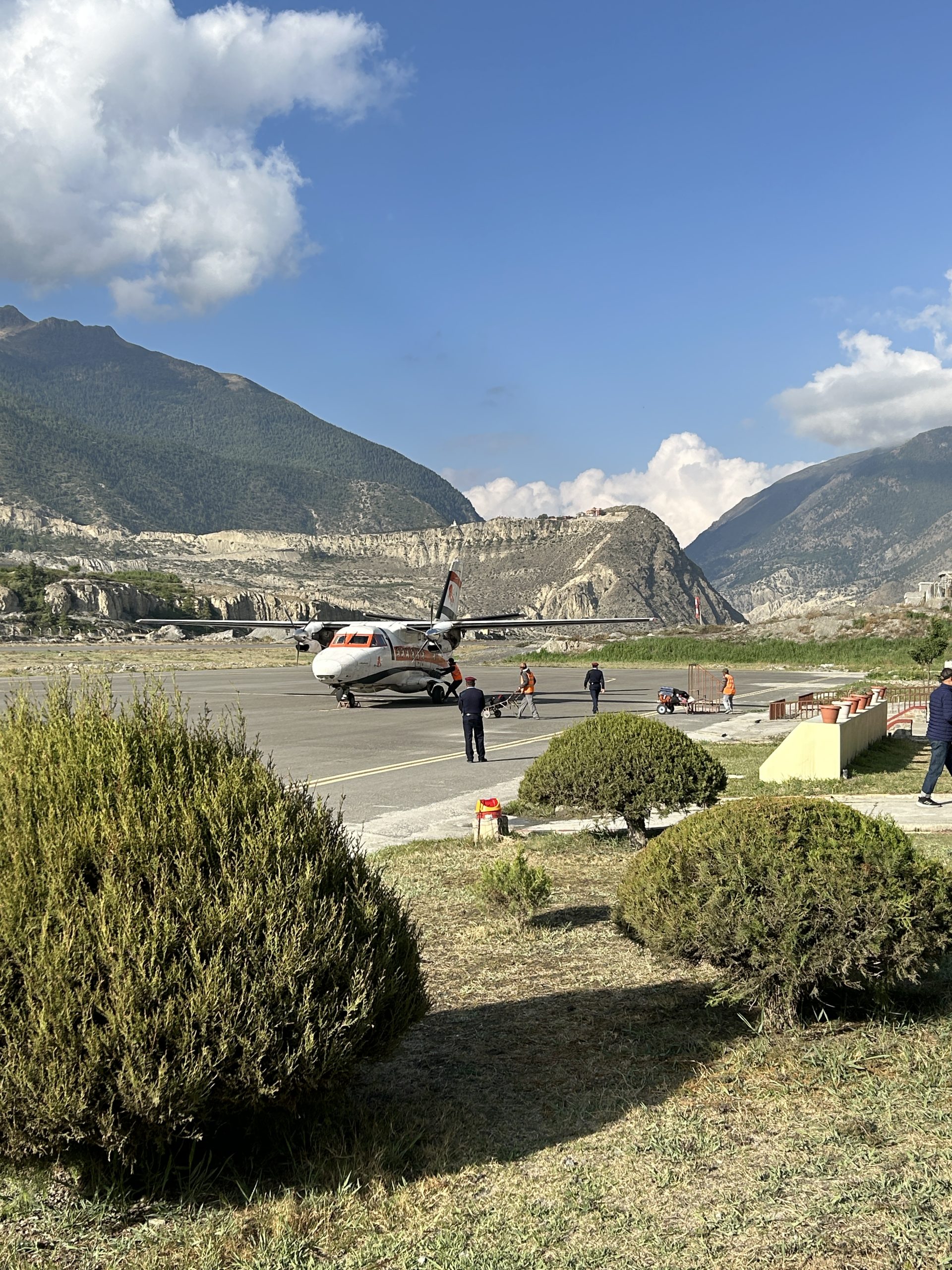
| Start & End | Kathmandu → Pokhara → Trailhead → Jomsom → Kathmandu |
| Maximum Altitude | Thorong La Pass – 5,416 m (17,769 ft) |
| Difficulty Level | Moderate (requires good fitness, acclimatization, and daily 4–7 hour hikes) |
| Best Seasons | Autumn (Sep–Nov) & Spring (Mar–May) – clear skies, stable weather, and full mountain views |
| Accommodation Type | Tea houses / Lodges along the trail (basic to mid-range comfort) |
| Required Permits | ACAP Permit, TIMS Card (Trekkers’ Information Management System) |
Why Trek the Annapurna Circuit Trek (15 Days) with Himalayan Friendly in 2026
We run the Annapurna circuit trek the way it should be done: slow enough to be safe, flexible enough to enjoy, and led by people who actually live here.
- Our guides who know the Annapurna circuit trail: Our Nepali guides have spent years on the AC route. They understand the terrain, weather shifts, and village rhythms that matter on a 15-day trek.
- Safety-first pacing at high altitude: We plan realistic walking days, proper acclimatization, and rest when needed. No rushing just to tick off Base Camp.
- A 15-day itinerary that makes sense: This Annapurna Circuit trek is built for balance, enough time to enjoy the mountains, adjust to altitude, and avoid unnecessary strain.
- Clear pricing, no hidden costs: Permits, transport, accommodation, and guide support are explained upfront. No last-minute add-ons.
- Local communities come first: We stay in locally run teahouses and work with local porters so your trek directly supports the Annapurna region.
- Responsible trekking practices: Small groups, low-impact travel, and respect for trails and villages are part of how we operate.
- Logistics handled properly: From permits to transport and teahouse bookings, we manage the details so you can focus on the walk.
- Real support, start to finish: You deal with the same team before, during, and after the trek—no handoffs, no confusion.
- Proven experience in Annapurna: We’ve guided trekkers from around the world on the Annapurna circuit trek, and many return to trek with us again.
- A more authentic AC experience: You’ll walk through Gurung and Magar villages, eat local food, and experience mountain life, not just follow the crowd to Thorong Pass.
Best Time to Do the Annapurna Circuit Trek: 15 days
The short answer: trek the Annapurna Circuit in autumn (September to November) or spring (March to May).
These months give you the best weather, the clearest views, and the safest conditions to cross Thorong La Pass. Anything outside this window comes with trade-offs you should understand before committing.
Autumn (September–November) – The Safest Bet
If this is your first Annapurna Circuit trek, do it in autumn.
- Dry trails and stable weather
- Clear mountain views almost every day
- Lower risk of snow at Thorong La
- Busy teahouses and good trail energy
October is peak season. If you want fewer people, aim for late September or mid-November.
Spring (March–May) – A Close Second
Spring is slightly warmer and quieter than autumn.
- Blooming rhododendron forests
- Good visibility, especially in the mornings
- Less crowded than October
- Mild temperatures at lower elevations
By late May, clouds increase, and views can be hit or miss.
Winter (December–February) – Only If You’re Prepared
Winter trekking is doable, but not forgiving.
- Very cold nights above Manang
- Snow can block Thorong La for days
- Fewer trekkers and empty teahouses
- Stunning views on clear days
This season is best for experienced trekkers with flexible schedules.
Monsoon (June–August) Not Worth the Risk
Most people should skip the circuit during the monsoon.
- Heavy rain and landslides at lower altitudes
- Poor visibility
- High chance of delays or cancellations
- Unsafe conditions near the pass
There are better treks in Nepal during this season.
 Tripadvisor