
Highlights of Everest Base Camp Trek
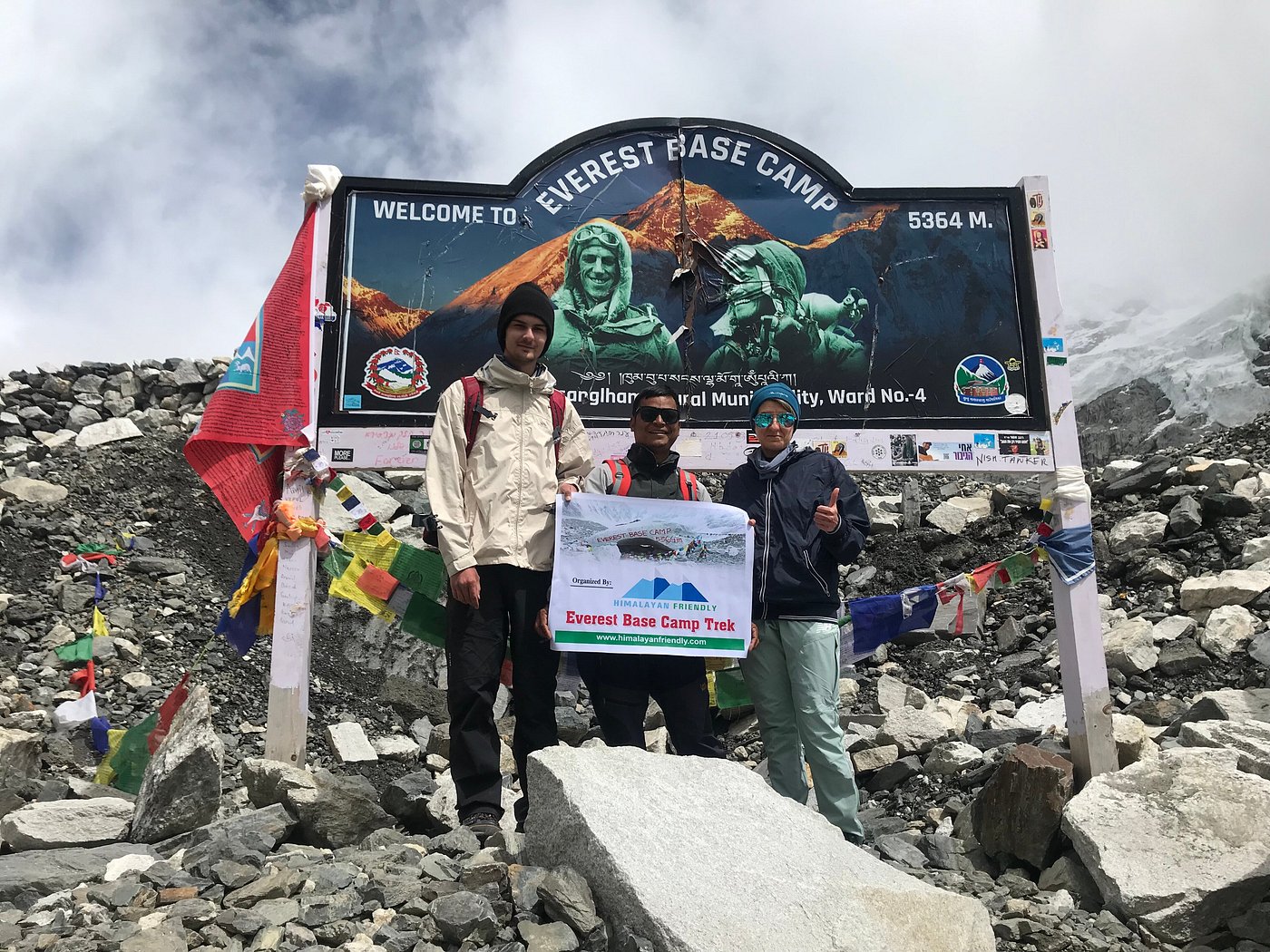
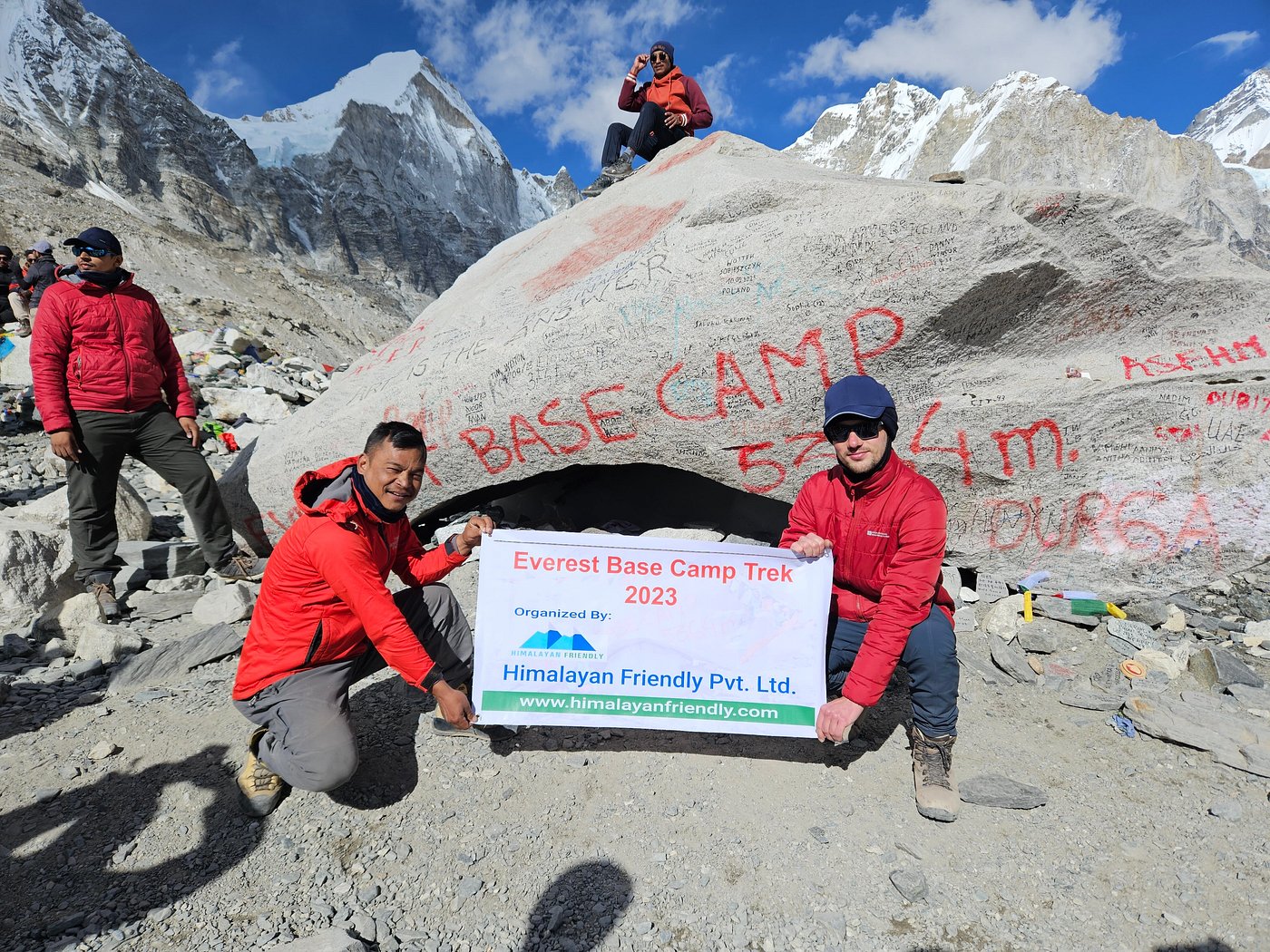
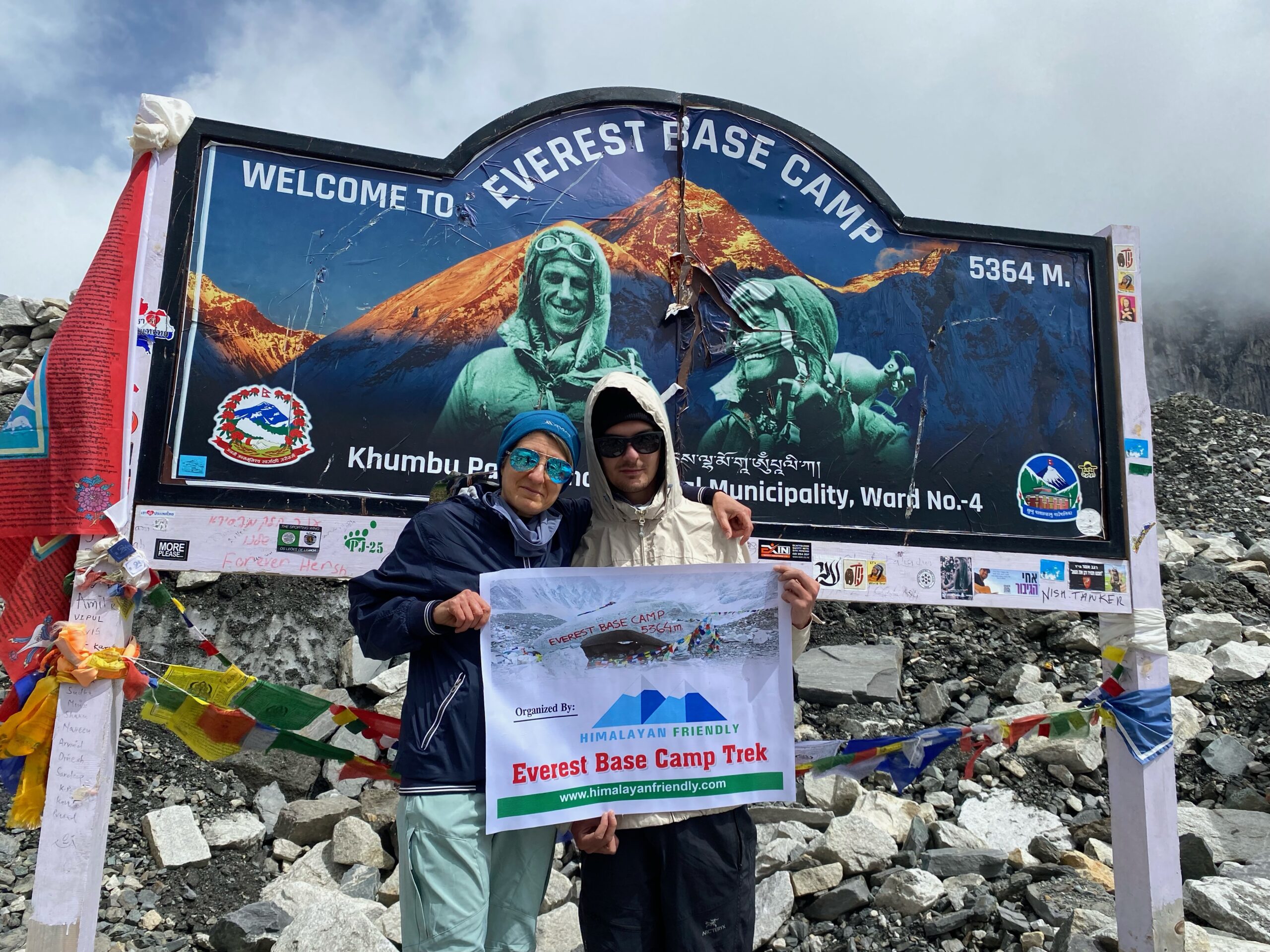
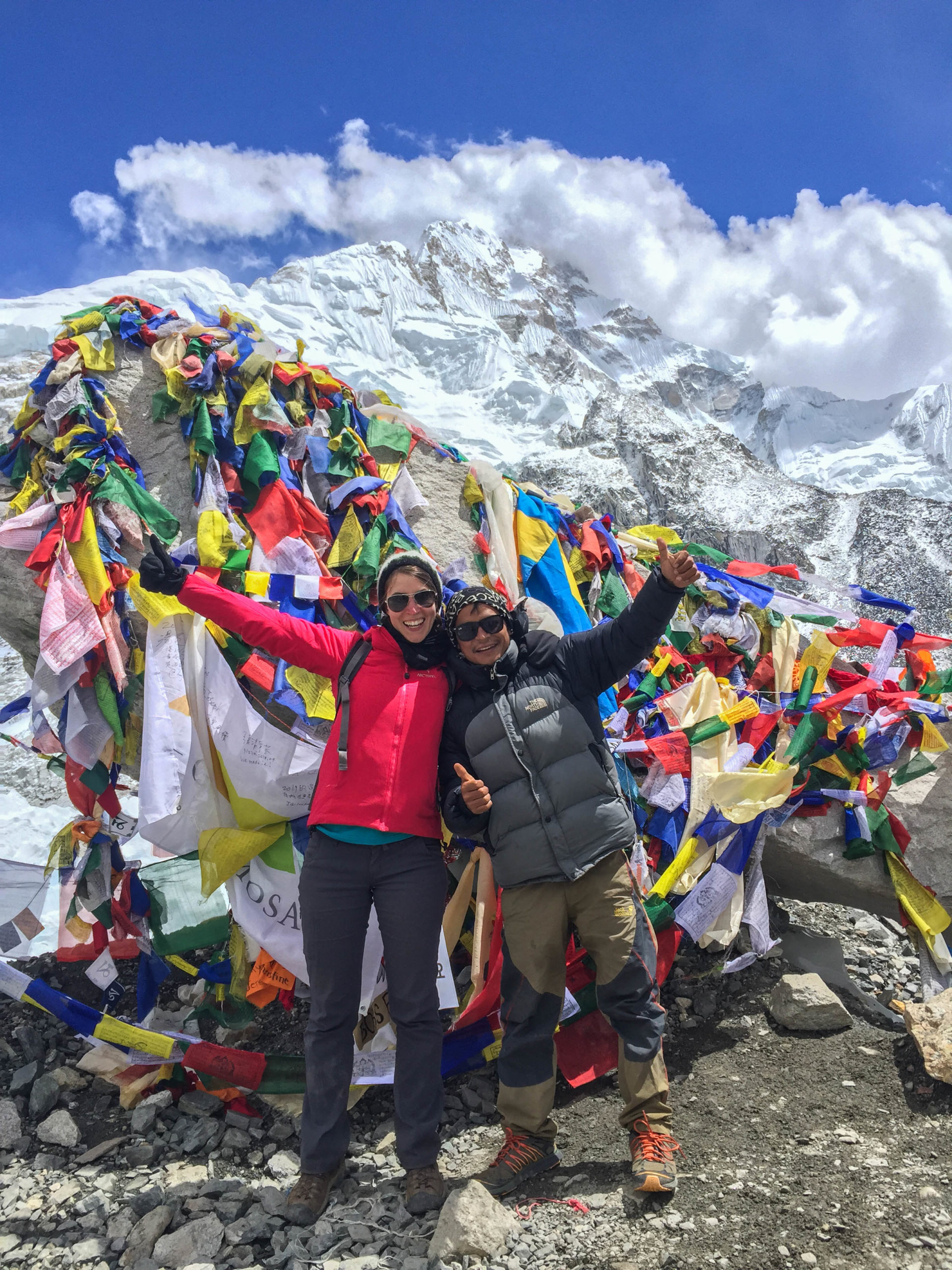
- Stand at the foot of Mount Everest and experience the tremendous scale of the world’s highest mountain rising above the Khumbu River.
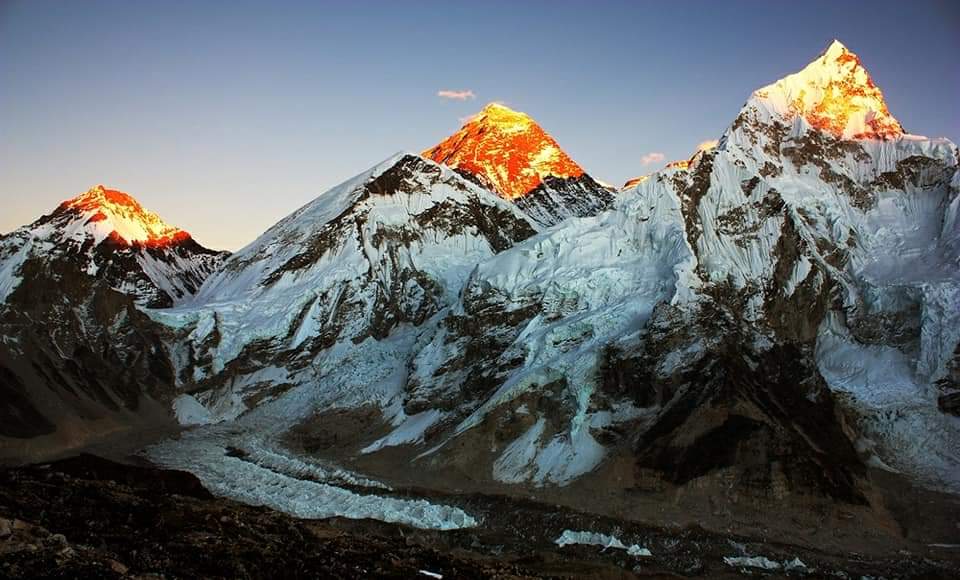
- Watch Everest sparkle at sunrise from Kala Pathhar, the region’s greatest viewpoint.
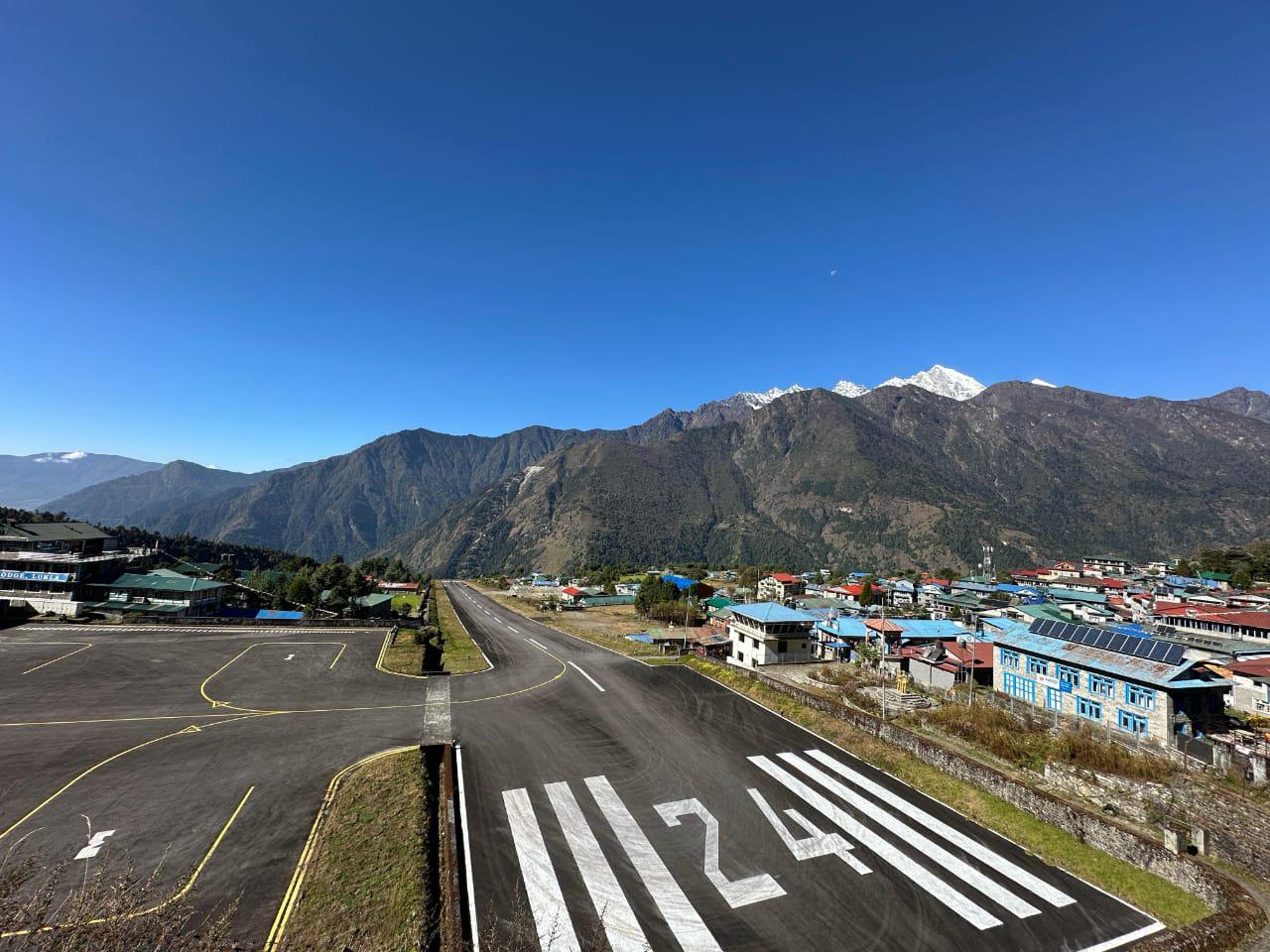
- Fly into Lukla’s stunning airport for an adventure before the trek begins.
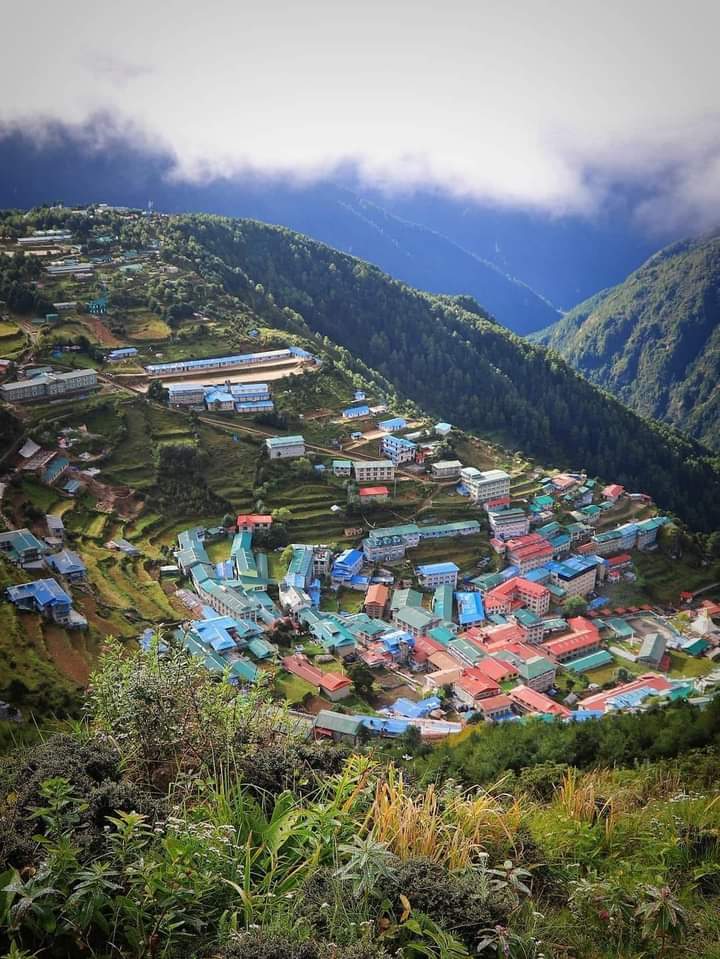
- Experience a traditional Sherpa village and yak fields to experience authentic Himalayan life up close.
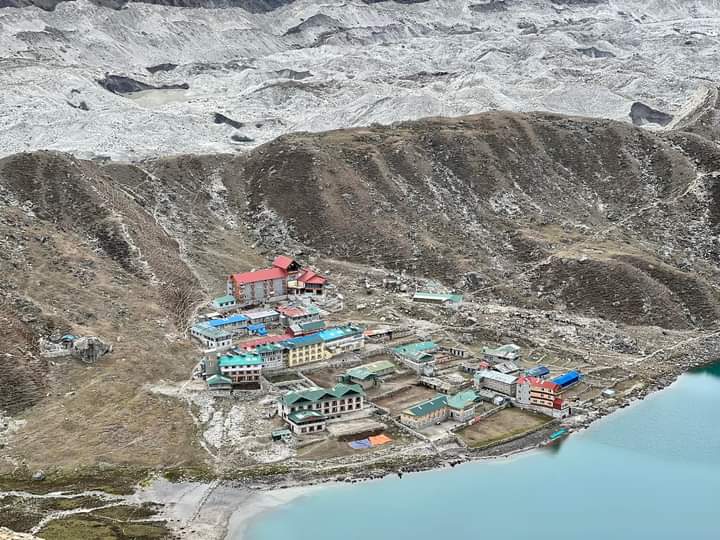
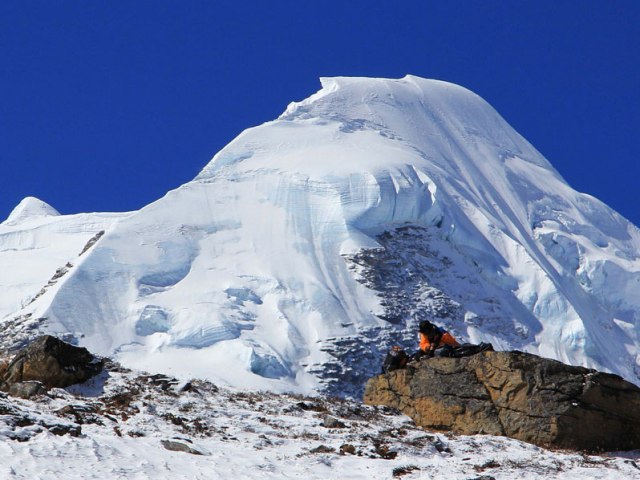
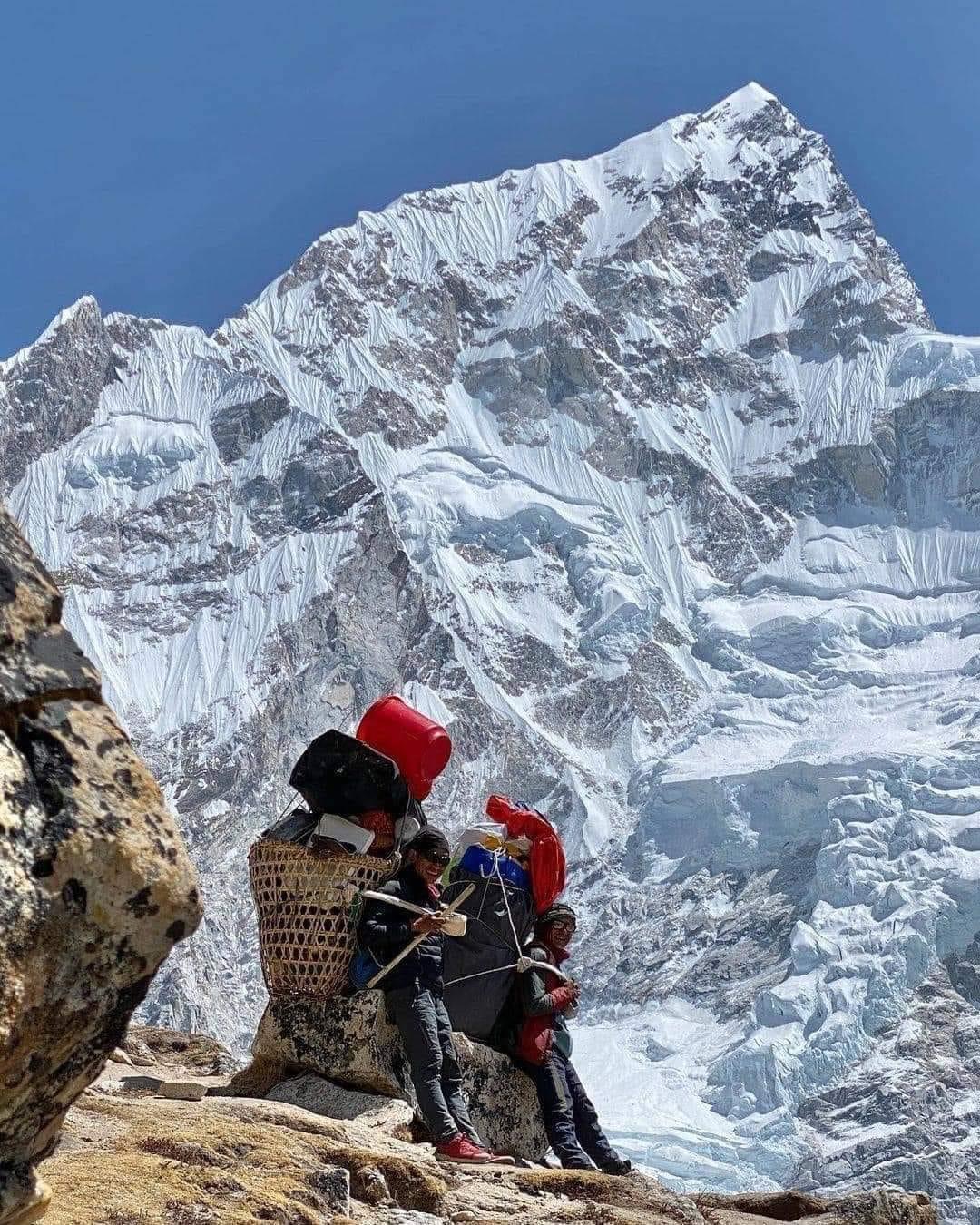
- Witness the raw beauty of the Khumbu glacier and snowfall, which remind how wild the how Himalayas truly are.
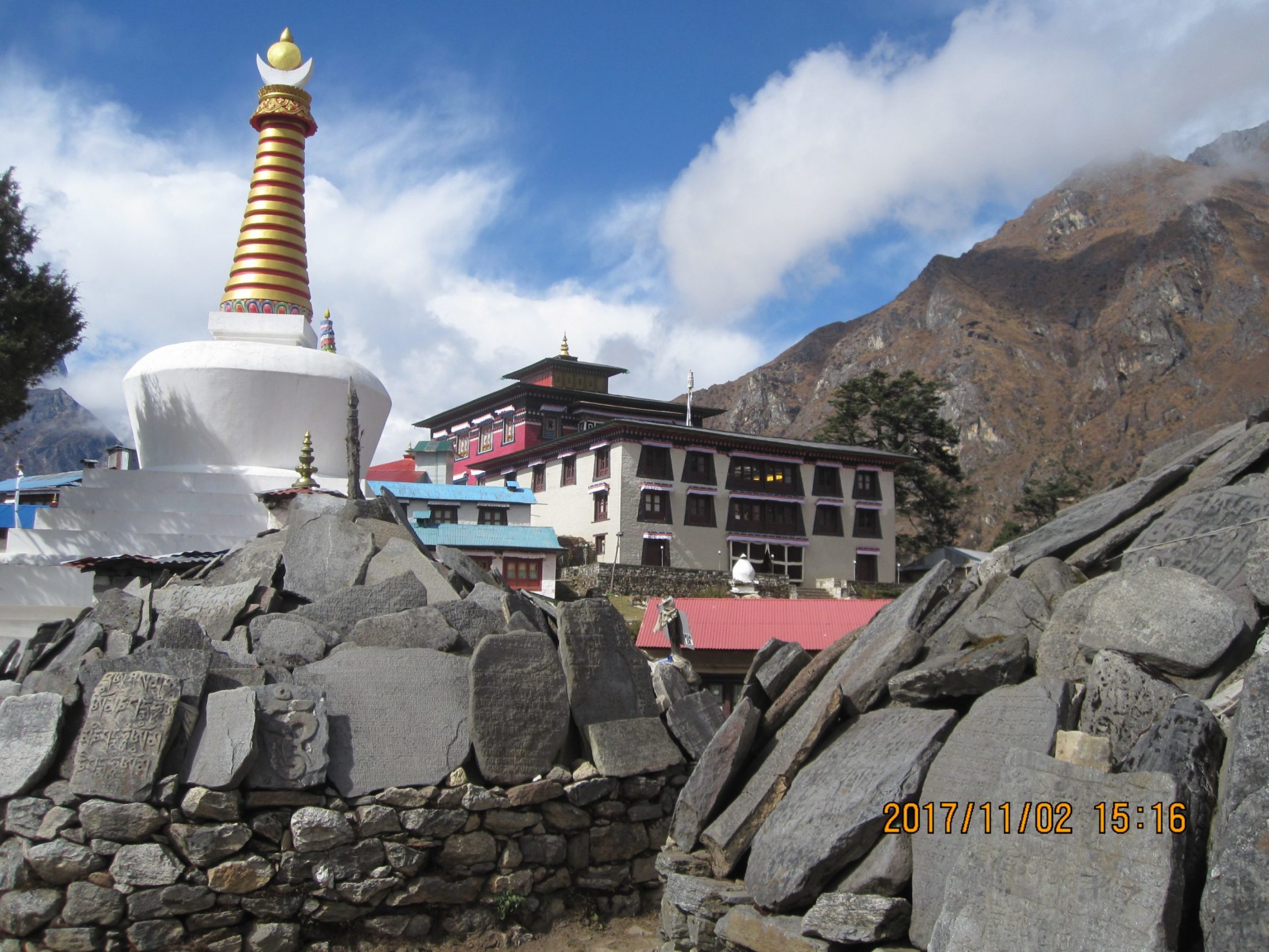
- Visit the Tengboche monastery, which is not only the spiritual center of the trek but also an awe-inspiring view of some of the highest peaks of the world.
- Pass through the Sagarmatha National Park, experiencing the beautiful flora and fauna.
- Finish the trek with a strong sense of achievement after days of walking in the mountains.
The Everest Base Camp Trek is one of those trips that stays in your heart forever. While most only daydream of being at the foot of the tallest mountain in the world, going on the trekking journey will give the essence of life deep into the mountains of Nepal. Each day of the trek, you will have huge snow-capped mountains surrounding you, wide valleys for walking, and quiet Sherpa villages surrounding you within your journey.
Trekking in the Everest base camp is not about walking through one of the most beautiful sceneries of the earth, but also experiencing the power of the mountains around you.
The EBC trek is in the Everest region of the Nepal and usually takes about 12-15 days to complete. It is a moderate trek, but the high altitude makes it challenging. Trekking in the spring or autumn will provide you with the best chance of beautiful weather and the most spectacular mountain views.
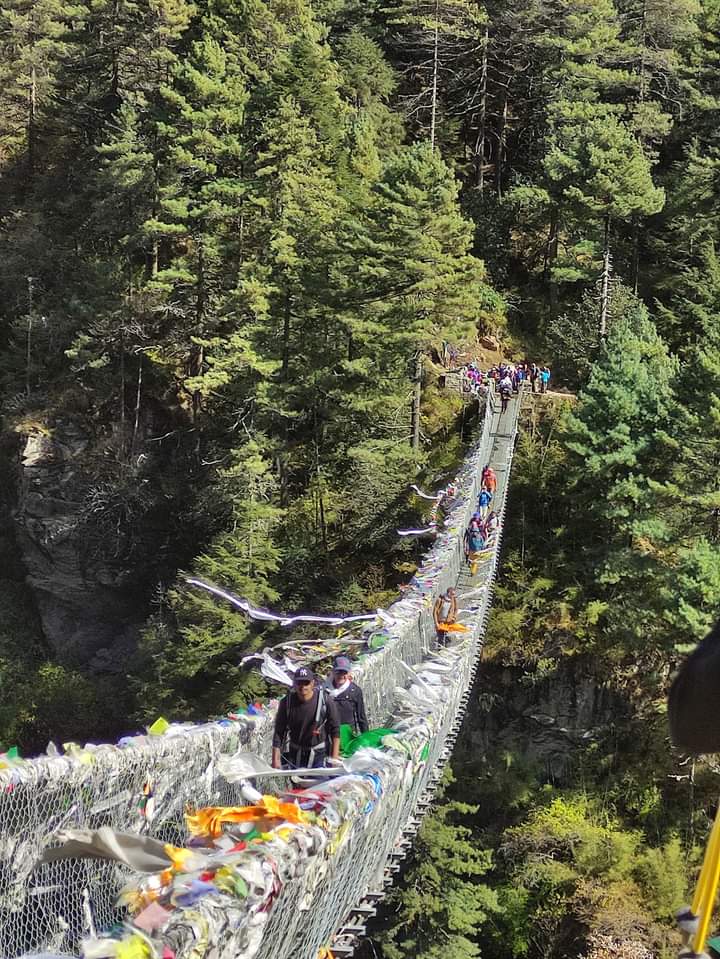
You will get to pass many monasteries, travel across a long suspension bridge, and experience the way how the people live at the higher altitudes every day in your trek. Each day brings a sense of achievement and unforgettable views that make this trek once in the life time experience.
Is the Everest Base Camp Trek right for you?
Yes, the Everest base camp is an excellent choice for anyone who is physically fit and is willing to spend long hours at a higher altitude. You don’t need to have any previous trekking history or be an experienced hiker, as the path leading to Everest Base Camp is straightforward and non-technical. However, altitude makes the simple walk challenging after Namche Bazar.
This trek suits travellers seeking real adventure, basic lodges, and the satisfaction of effort rewarded by incredible scenery. If you want comfort or short walks, it may feel tough. But for those ready for steady days, big mountains, and a true sense of achievement, EBC is unforgettable.
Everest Base Camp Trek Difficulty Explained (Distance, Elevation & Terrain)
The Everest Base Camp Trek is often viewed as a relatively difficult trek, not necessarily due to the technicality of the trails alone, but primarily due to the tremendous elevation gain (the altitude) that is experienced throughout the trek.
That’s the simplest and most honest way to describe it. You don’t need climbing skills or extreme fitness, but you do need endurance, patience, and respect for the mountains. If you go at a steady pace and let your body adjust, the EBC Trek is tough but very doable.
Total Distance & Daily Walking Hours
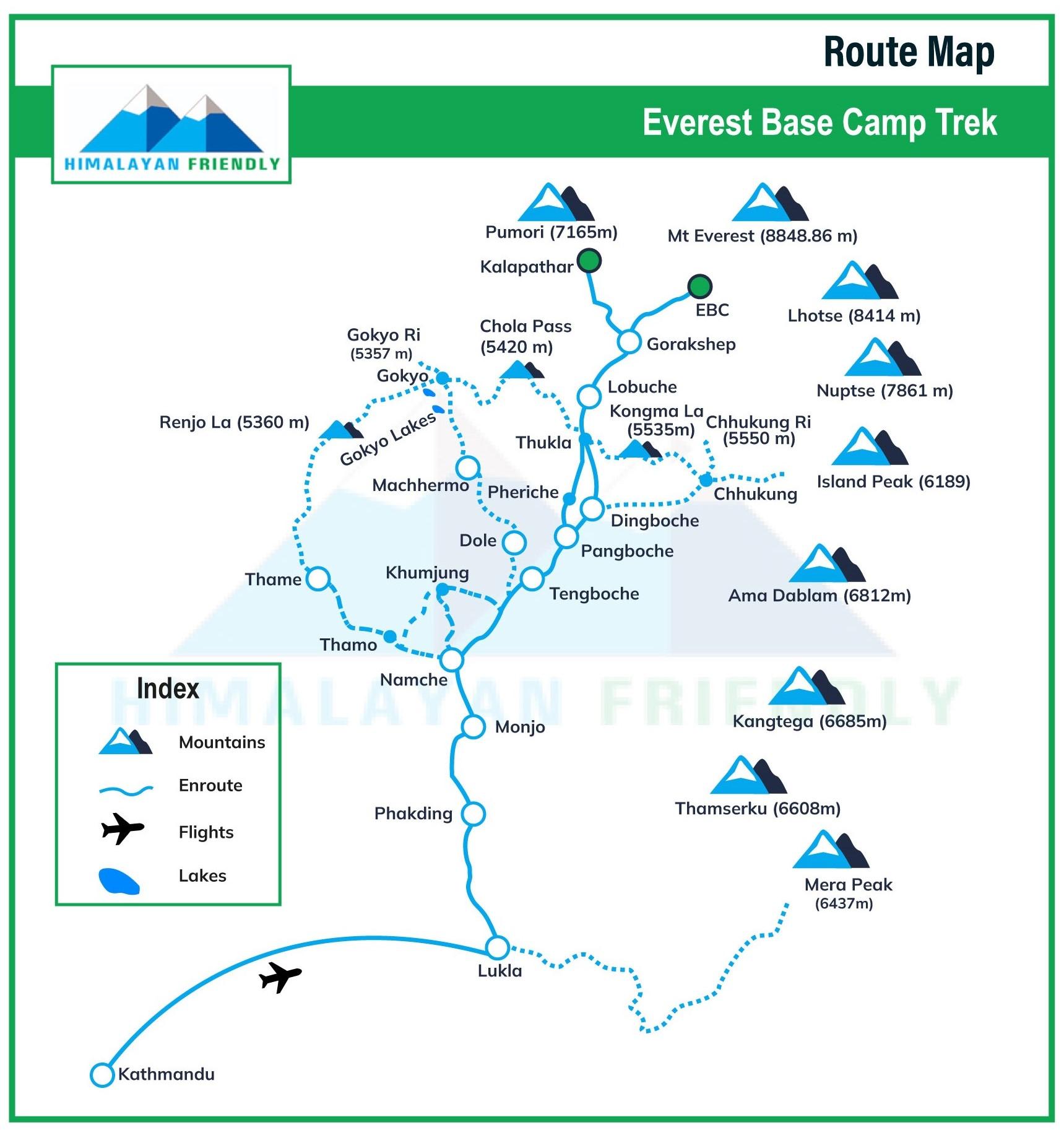
The total trek distance from Lukla to base camp is approximately 66kms (40miles–one way) on the traditional route; therefore, it would take 12-15 days to complete the entire trek; the average number of hours per day spent trekking averages between 5-7hrs each day; Some days are shorter and easier, others longer and steeper—especially as you get higher and the air gets thinner.
An Overview of the Altitude Profile
The challenge of the EBC Trek is the altitude, which gradually ascends from approximately 2860 meters (9404 feet) at Lukla to approximately 5364 meters (17599 feet) at Everest Base Camp, with an optional viewpoint located at approximately 5545 meters (18262 feet) at Kala Patthar.
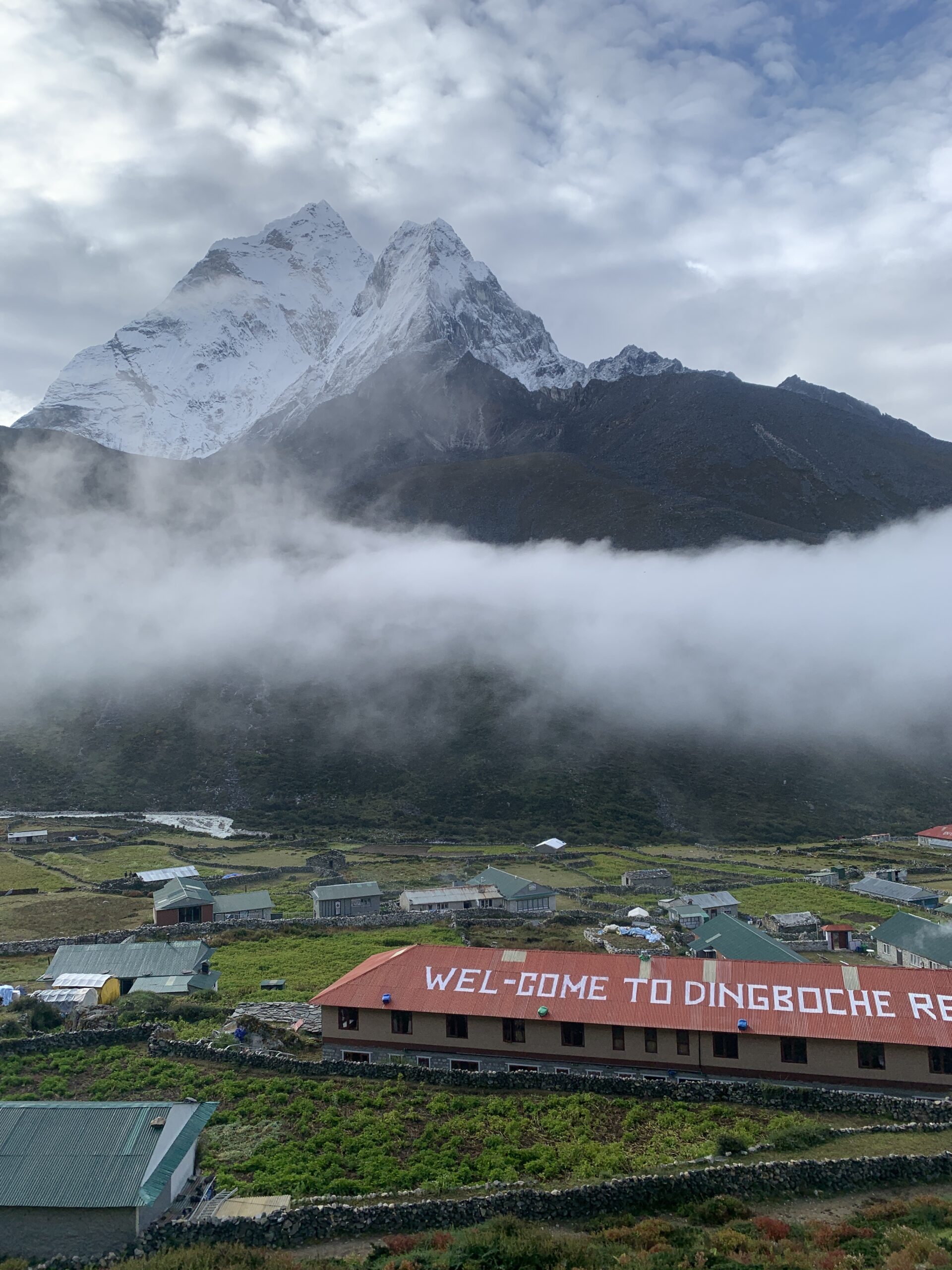
Once the altitude reaches 3000 meters (9854 feet), there is a decrease in the amount of oxygen available in the air. At these altitudes, your body needs time to adjust, so it is critical to plan for acclimatization days. That’s why proper acclimatization days in places like Namche Bazaar (3,440 m) and Dingboche (4,410 m) are essential to stay healthy and feel stronger as you climb.
Best Time to Trek Everest Base Camp (Season by Season)
The best times of year to hike to Everest Base Camp are during the spring season (March to May) and autumn (September to October). Trekking conditions and weather are ideal during both of these periods for new trekkers and experienced hikers alike, and in addition to good weather and trekking conditions for safety and comfort, you can expect the most enjoyable and scenic trekking experience during these two seasons of trekking in the Everest region.
Spring (March–May)
The months of March to May are springtime, which is the time when many flowers begin blooming in the mountains. At the lower altitudes, daytime temperatures will range from 15 to 20 degrees Celsius (59 to 68 degrees F), and at night temperatures drop to between -5 and 5 degrees Celsius (23 to 41 degrees Fahrenheit). The rhododendrons and alpine flowers bloom along the trail, adding vibrant colors to the rugged Himalayan landscape.
Autumn (September–November)
The months from September to November are known to be the best months of the year to hike to the Everest Base Camp area. After the monsoon, the air is crisp and clear, giving you some of the best panoramic mountain views of the year. Daytime temperature at this time of year can range from 12 to 18 degrees Celsius (54 to 64 degrees Fahrenheit), and nighttime temperatures can drop to -10 to 0 degrees Celsius (14 to 32 degrees Fahrenheit), which is cold. This is also festival season in Nepal, so cultural experiences like Dashain and Tihar can add a unique touch to your trek.
Pros: Clear mountain views, comfortable temperatures, colorful scenery.
Cons: Crowded trails and busy teahouses.
Winter (December–February)
Winter is a season of stillness and snow. The average temperature during the day ranges from about 5 to 10 degrees Celsius (41 to 50 degrees F), while at night, temperatures can drop to as low as minus 15 to minus 20 degrees Celsius (5 to 4 degrees F). Most trails are much less crowded than they would be in the summer/autumn season, and because of the clarity of the air, there are many excellent opportunities to see Mount Everest and the surrounding peaks. Many teahouses will be closed, and trekkers need to pack a heavy layer of footwear for the cold overnight temperatures.
Pros: Clear skies, sharp mountain views, festival experiences.
Cons: Cold nights and crowded trails.
Monsoon / Summer (June–August)
Monsoon/Summer treks are more challenging. During the monsoon season, trails will be muddy, visibility may be limited by weather systems, and flights into Lukla may be delayed. However, the upper Khumbu sees less rain, the landscapes are lush and green, and the trails are nearly empty, giving a very different kind of Everest experience.
Season Comparison Table
| Season | Visibility | Crowd Level | Temperature | Lukla Flights |
| Spring (Mar–May) | Very Good | High | Mild | Reliable |
| Autumn (Sep–Nov) | Excellent | Very High | Cool/Stable | Most Reliable |
| Winter (Dec–Feb) | Clear | Low | Cold | Less Reliable |
| Monsoon (Jun–Aug) | Variable | Very Low | Warm & Wet | Often Unreliable |
Bottom line: For the best Everest Base Camp Trek experience with clear skies, stable weather, and fewer flight worries, aim for spring or autumn. Winter and monsoon seasons can offer unique scenery and solitude, but they require extra preparation, flexibility, and experience in trekking at high altitude.
 Tripadvisor