Accommodation in Kathmandu
We start your adventure in Kathmandu, staying in a comfortable 3-star hotel in Thamel. Rooms are clean, cozy, and include breakfast. You’ll also enjoy a welcome or farewell dinner, perfect for trying authentic Nepali cuisine. If you prefer luxury, 4- or 5-star hotels are available on request. Most itineraries include three nights in Kathmandu, enough time to rest, explore temples, markets, and prepare for your trek.
Lodges Along the Langtang Trail
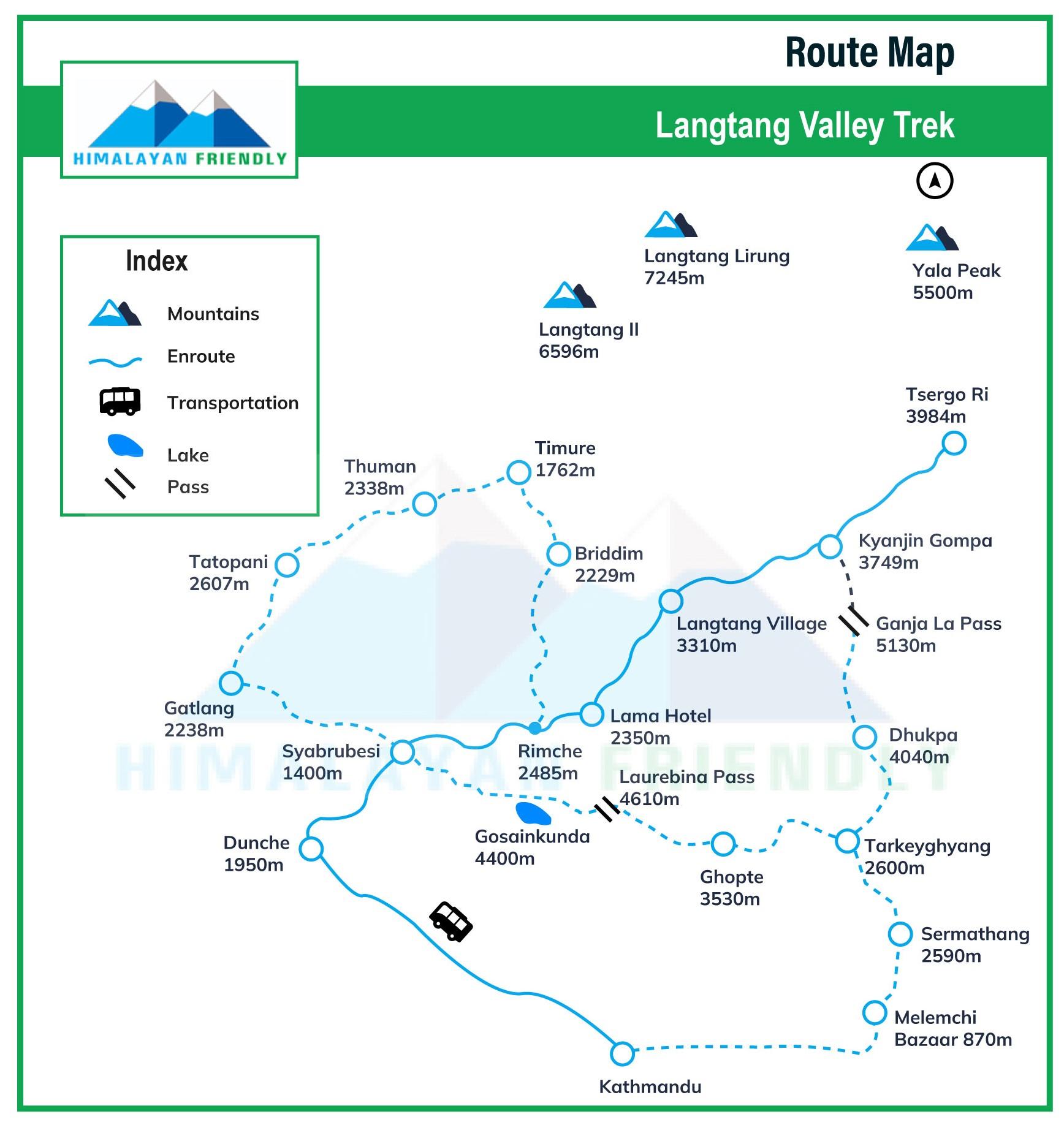
Trekking from Syabrubesi to Kyanjin Gompa, your nights are spent in teahouses and lodges.
- Syabrubesi & Lama Hotel: Cozy rooms, shared bathrooms, and warm dining areas.
- Langtang Village & Mundu: Basic but clean lodges. Shared bathrooms, simple meals, and stunning surroundings.
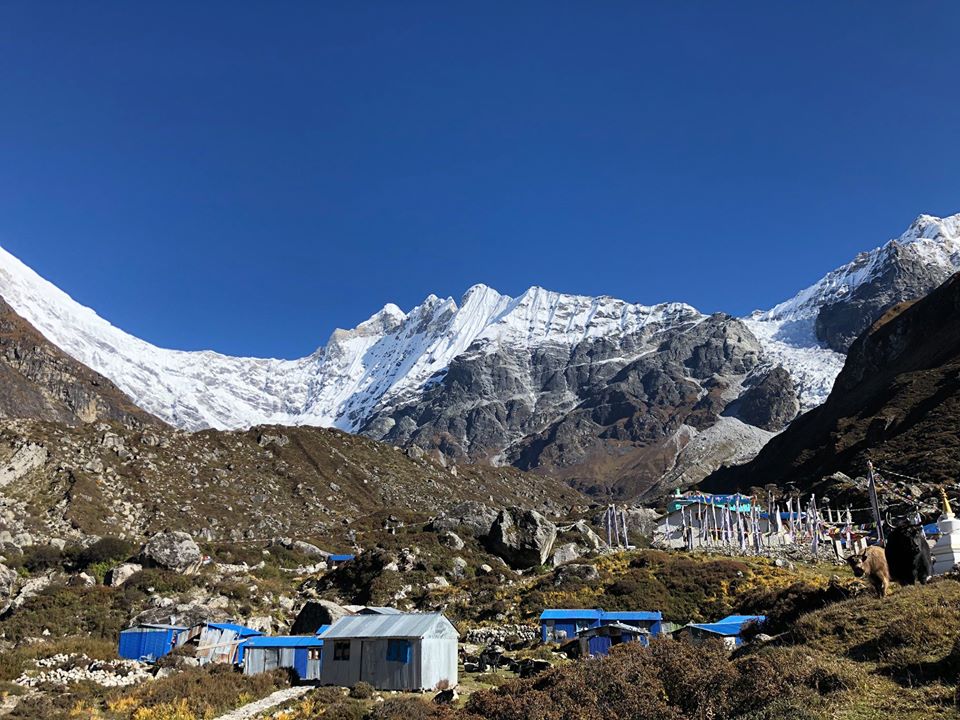
- Kyanjin Gompa: The most comfortable stop with larger lodges, better rooms, and sometimes attached bathrooms.
Tip: Mornings and nights are cold. Running water can freeze, and hot showers are often available for a small fee.
Food on the Trek
Meals are simple, filling, and nutritious. Most lodges serve:
- Dal Bhat: Steamed rice with lentils, vegetables, and optional curry.
- Tibetan dishes: Momos, noodle soups, fried noodles, and bread made from wheat, barley, or millet.
- Breakfasts: Porridge, eggs, toast, pancakes, and tea or coffee.
Hot drinks are available almost everywhere. Fresh bakery items are rare, but pancakes, chapatti, and honey or jam are commonly served.
Wi-Fi and Connectivity
Some lodges provide Wi-Fi, mainly in Syabrubesi, Dhunche, and Kyanjin Gompa. A few charge a small fee, while others offer free internet.
Connectivity can be slow due to mountain terrain and weather, so we recommend a Nepal 3G/4G SIM for better service.
Transportation
Getting to the Langtang trailhead is simple and flexible:
- Local Bus: Affordable, authentic, and a chance to meet locals and fellow trekkers.
- Private Jeep: Faster and more comfortable, perfect for groups or those who want flexibility.
We take care of all transport arrangements, so you can focus on the trek, the views, and the adventure.
Local Tips
- Cash: Most lodges and shops accept Nepalese Rupees (NPR). Carry small notes, as ATMs are only available in major towns.
- Packing: Bring layered clothing, hiking boots, warm hats, gloves, trekking poles, and a reusable water bottle.
- Respect local culture: Langtang is home to Tamang villages and Buddhist monasteries—always ask before taking photos and respect local customs.
Pro tip: With clean lodges, hearty meals, and reliable transport, your Langtang Valley trek is comfortable, safe, and unforgettable. Focus on the mountains and culture—we’ll handle the logistics.
Additional Expenses on the Langtang Valley Trek
You should plan for a few extra costs while trekking in Langtang. Beyond your main trek package, some personal expenses are normal:
- Meals in Kathmandu outside of your included plan.
- Laundry services in Kathmandu or along the trek.
- Extras on the trail include snacks, hot showers, charging devices, and drinks.
- Souvenirs and gifts from local shops.
- Tips for guides and porters—a small gesture goes a long way.
- Unexpected changes or early exits due to health, personal issues, or emergencies.
Trek to Langtang Valley with Himalayan Friendly
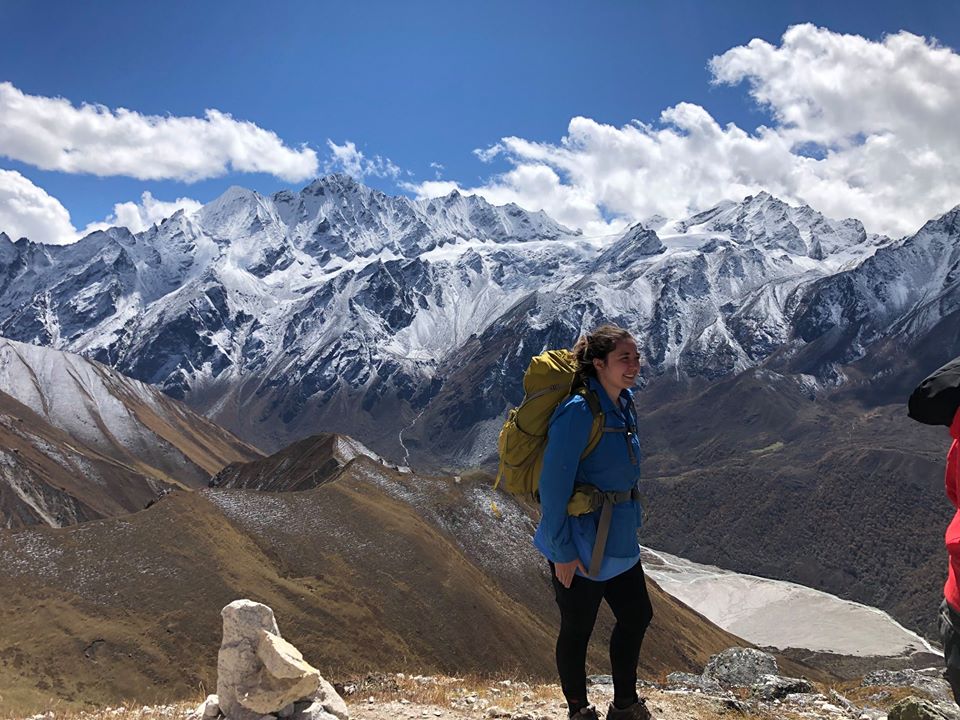
The Langtang Valley Trek is more than just walking; it’s an adventure you’ll never forget. Towering snow-covered peaks, quiet monasteries, and friendly Tamang villages make every step magical.
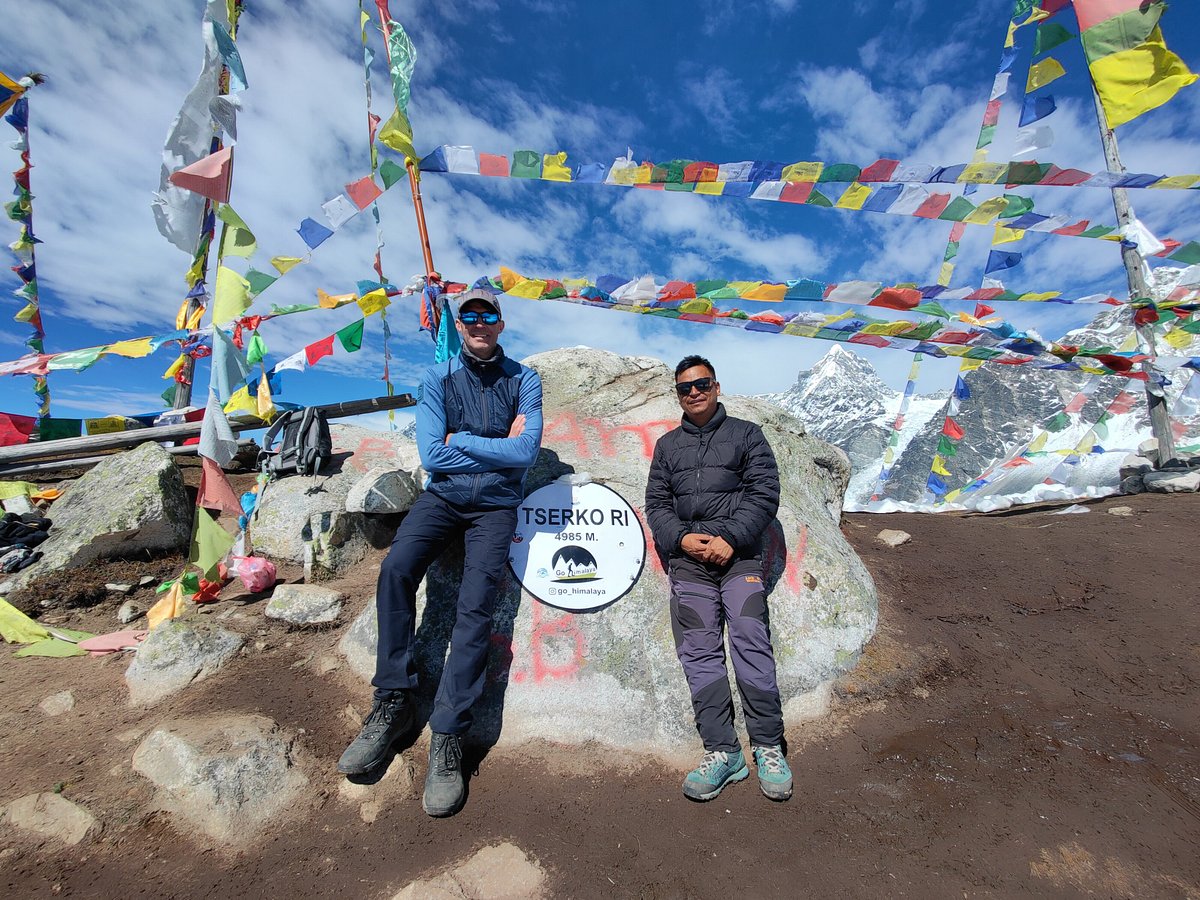
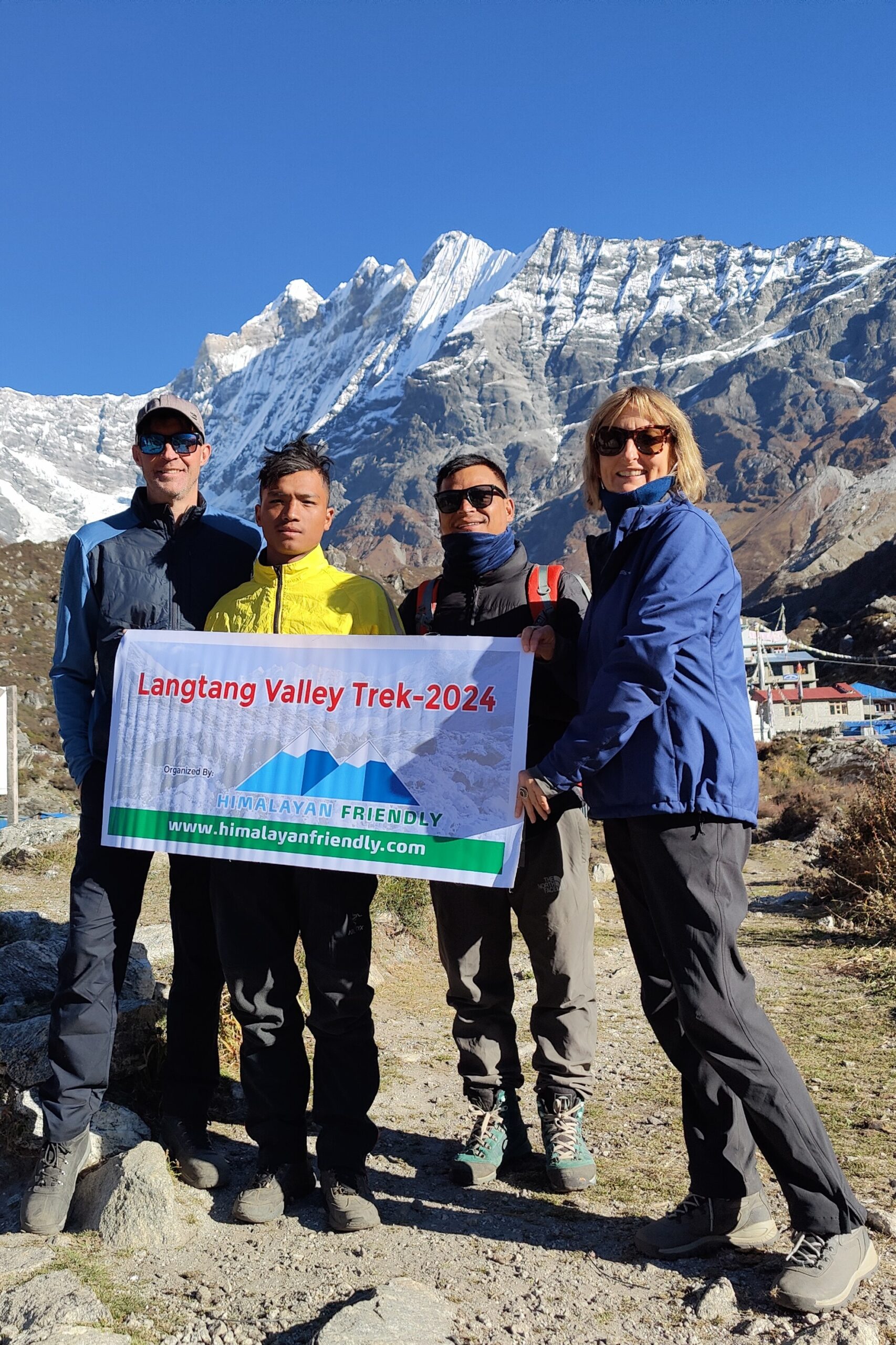
With Himalayan Friendly, you’re not just trekking, you’re travelling with locals who know the valleys, trails, and culture like the back of their hand. We take care of permits, transport, teahouses, and all the little details, so you can focus on the views, the fresh mountain air, and the unforgettable experiences. From the first step in Syabrubesi to the jaw-dropping panoramas at Kyanjin Gompa or Tserko Ri, every part of your trek is safe, smooth, and full of wonder.
Whether it’s your first Himalayan trek or you’re a seasoned adventurer, we’ll match the pace to you, keep your meals hearty, and be there every step of the way—making this journey exciting, easy, and unforgettable.
So, lace up your boots, grab your backpack, and let Himalayan Friendly lead the way. Explore the Langtang Valley, soak in the local culture, and make memories you’ll cherish forever. The Himalayas are calling, answer the call and book your adventure with us today!
Listen to Your Guide
Your guide knows the signs of altitude sickness on the Langtang Trek. Let them know immediately if you feel unwell; early action keeps you safe.
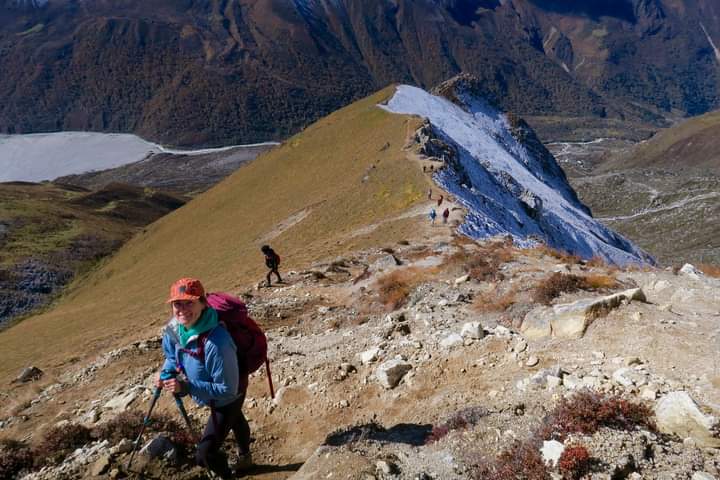
Pro Tip: Take your time, listen to your body, and stay hydrated. The Langtang Valley Trek rewards patience with stunning Himalayan views, alpine forests, glacial rivers, and traditional Tamang villages that make every step worth it.
Langtang Valley Trek Cost: Budgeting for Your Himalayan Adventure
The Langtang Valley Trek is one of Nepal’s most accessible and affordable Himalayan adventures, but planning your budget will make your trek smoother and stress-free. From permits and transportation to tea house stays, meals, and on-trail extras, knowing typical costs helps you avoid surprises and enjoy every moment.
Transportation Costs
The trek starts and ends in Syabrubesi, accessible by road from Kathmandu:
- Local Bus – $10-$15 one way, but this is the cheapest option available.
- Shared Jeep – $20–$25 per person, but this is a faster and more comfortable option.
- Private Jeep – $130–$160 one way. This is an ideal option for larger groups who want to travel together, or for those who wish to have their own space.
Permits & Entry Fees
- Langtang National Park Entry Permit: NPR 3,000 (~$25–$30)
Tip: Keep your permits available for inspection at every checkpoint along the trail. The entrance fees to the park are used to protect and maintain Langtang National Park and support the local communities within the park.
Accommodation & Meals
- Teahouses: $5-10 per night for a twin room. Kyanjin Gompa has a rooming fee slightly higher than the others, but it’s still lower than other lodging options you may find.
Meals: $15–$25 per day on average, depending on your choices (dal bhat, momos, noodles, soups, pancakes)
Other On-Trail Expenses
Small extras add up:
- Hot showers: $2–$5
- Phone/camera charging: $2–$4 per session
- Wi-Fi: $3–$5 per device
- Snacks, tea, or soda: $1.50–$5, more expensive at higher altitudes Carrying some extra cash ensures you can enjoy these comforts without worry.
Sharing costs in a small group can reduce expenses. Hiring a guide also boosts safety and local insight, worth every dollar.
Currency & Money Tips
- All payments are in Nepalese Rupees (NPR); no ATMs beyond Kathmandu
- Carry small notes (Rs. 100, 500, 1,000) for easy transactions
- Use a waterproof money pouch to protect cash from rain or snow
Smart Budget Planning
- Total cost range: $300–$700+, depending on travel style, group size, and whether you trek independently or with an agency
- Guided packages often include permits, accommodation, transport, and meals
- Independent trekkers need to budget for everything separately

 Tripadvisor