Everything You Need to Know About Trekking in Nepal 2026/2027
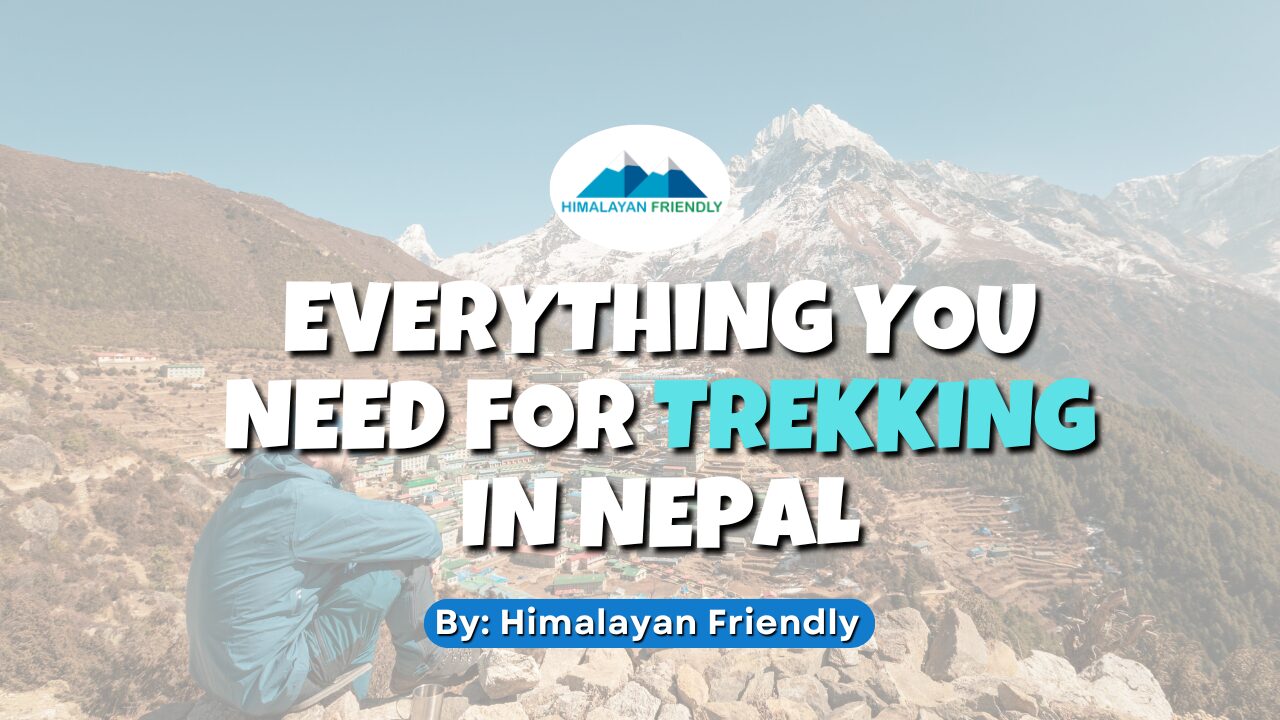
Trekking in Nepal is a dream adventure for travelers across the globe. With its breathtaking Himalayan landscapes, diverse cultures, and world-renowned trails, Nepal remains one of the top trekking destinations in the world. Whether you’re a beginner or an experienced trekker, this complete guide will help you understand everything about trekking in Nepal—from the best seasons and routes to permits, costs, and essential tips.
Why Trekking is So Popular in Nepal
Nepal is home to eight of the world’s fourteen highest mountains, including Mount Everest. But trekking in Nepal isn’t just about mountains—it’s about culture, nature, and unforgettable experiences.
Here’s why trekking in Nepal stands out:
- Stunning Himalayan views and landscapes
- Rich cultural diversity and local traditions
- Wide range of trekking routes (easy to extreme)
- Affordable compared to other global trekking destinations
- Warm hospitality from local communities
From lush forests to high-altitude deserts, trekking in Nepal offers an unmatched variety in terrain and experiences.
Best Time for Trekking in Nepal (2026 / 2027)
Choosing the right season is crucial for a successful trekking experience.
1. Spring (March to May)
Spring is one of the best seasons for trekking in Nepal. The weather is stable, and the trails are decorated with blooming rhododendrons.
Highlights:
- Clear mountain views
- Comfortable temperatures
- Ideal for popular treks like Everest Base Camp
2. Autumn (September to November)
Autumn is the peak trekking season in Nepal.
Why choose autumn?
- Crystal-clear skies
- Stable weather conditions
- Best time for photography
Popular routes like the Annapurna Circuit are especially crowded during this season.
3. Winter (December to February)
Winter trekking is possible but comes with challenges.
Pros:
- Fewer crowds
- Peaceful trails
Cons:
- Extremely cold temperatures at higher altitudes
4. Monsoon (June to August)
Not ideal for most treks due to heavy rainfall, but rain-shadow regions like Upper Mustang are still accessible.
Top Trekking Destinations in Nepal
Nepal offers hundreds of trekking routes. Here are some of the most popular ones for 2026/2027:
1. Everest Base Camp Trek
The Everest Base Camp trek is one of the most iconic adventures in the world.
Duration: 12–14 days
Difficulty: Moderate to challenging
Highlights:
- Close-up view of Mount Everest
- Visit to Namche Bazaar
- Experience Sherpa culture
2. Annapurna Circuit Trek
The Annapurna Circuit is famous for its diverse landscapes.
Duration: 14–20 days
Highlights:
- Thorong La Pass (5,416m)
- Hot springs at Tatopani
- Stunning mountain views
3. Annapurna Base Camp Trek
Shorter than the circuit but equally rewarding.
Highlights:
- Close view of the Annapurna massif
- Scenic villages and forests
4. Langtang Valley Trek
Located close to Kathmandu, the Langtang Valley trek is ideal for those with limited time.
Duration: 7–10 days
Highlights:
- Glaciers and mountain views
- Tamang culture
5. Manaslu Circuit Trek
A less crowded alternative to Annapurna.
Highlights:
- Remote and pristine trails
- Rich cultural experience
- Larkya La Pass
Trekking Permits in Nepal
To go trekking in Nepal, you need specific permits depending on the region.
Common Permits:
- TIMS (Trekkers’ Information Management System) Card
- National Park/Conservation Area Permit
For restricted areas like Upper Mustang or Manaslu, special permits are required.
Cost of Trekking in Nepal
The cost of trekking in Nepal varies based on your trekking style and destination.
Budget Breakdown (Approximate):
- Permits: $30–$150
- Guide: $25–$40 per day
- Porter: $15–$25 per day
- Accommodation: $5–$30 per night
- Food: $10–$25 per day
Total Cost:
- Budget trek: $500–$800
- Standard trek: $800–$1500
- Luxury trek: $2000+
Accommodation and Food
Tea Houses
Most trekking routes in Nepal have tea houses that provide basic accommodation and meals.
Food Options
- Dal Bhat (traditional Nepali meal)
- Noodles, pasta, soups
- Pancakes, eggs, tea, coffee
“Dal Bhat power, 24 hours” is a popular saying among trekkers!
Difficulty Levels of Trekking in Nepal
Trekking in Nepal caters to all levels:
- Easy: Ghorepani Poon Hill Trek
- Moderate: Langtang Valley Trek
- Challenging: Everest Base Camp Trek
- Strenuous: Manaslu Circuit Trek
Choose your trek based on your fitness level and experience.
Essential Packing List
Here’s what you should pack for trekking in Nepal:
- Trekking boots
- Warm clothing (layers)
- Sleeping bag
- Backpack
- Water bottle and purification tablets
- First aid kit
- Sunscreen and sunglasses
Altitude Sickness and Safety Tips
Altitude sickness is a major concern when trekking in Nepal.
Prevention Tips:
- Ascend slowly
- Stay hydrated
- Take acclimatization days
- Avoid alcohol
If symptoms worsen, descend immediately.
Hiring a Guide vs Independent Trekking
Guided Trek
- Safer and more convenient
- Ideal for beginners
- Cultural insights
Independent Trek
- More flexible
- Budget-friendly
- Requires planning
Note: Some regions now require mandatory guides.
Cultural Experience During Trekking
Trekking in Nepal is not just about nature—it’s also about culture.
You’ll encounter:
- Buddhist monasteries
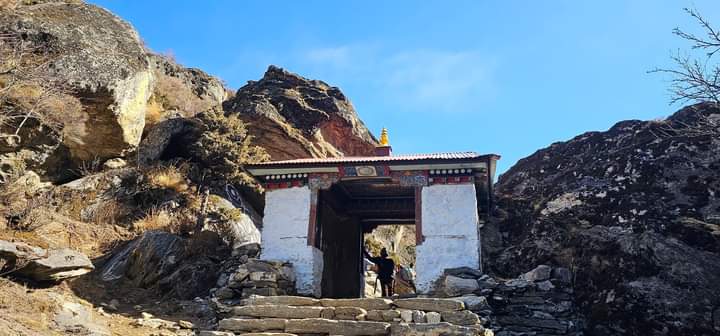
- Prayer flags and stupas
- Traditional villages
Interacting with locals adds a unique dimension to your journey.
Trekking Tips for 2026 / 2027
- Book early during peak seasons
- Carry cash (ATMs are limited in remote areas)
- Get travel insurance
- Respect local culture and environment
- Stay updated on trekking regulations
Sustainable Trekking in Nepal
As tourism grows, responsible trekking is more important than ever.
How to Trek Responsibly:
- Avoid plastic waste
- Use refillable bottles
- Support local businesses
- Respect wildlife and nature
Conclusion
Trekking in Nepal in 2026 and 2027 promises an unforgettable adventure filled with stunning landscapes, rich culture, and personal achievement. Whether you choose the iconic Everest Base Camp or the peaceful Langtang Valley, every trek offers something unique.
With proper planning, the right season, and a spirit of adventure, trekking in Nepal can truly be a life-changing experience.
FAQs
1. Is trekking in Nepal safe?
Yes, trekking in Nepal is generally safe if you follow guidelines and prepare well.
2. Do I need a visa for Nepal?
Most travelers can get a visa on arrival at Tribhuvan International Airport.
3. Can beginners go trekking in Nepal?
Absolutely! There are many beginner-friendly treks.
4. What is the best trek for beginners?
Ghorepani Poon Hill and Langtang Valley are great options.
5. How fit do I need to be?
Basic fitness is enough for most treks, but training is recommended.