Langtang National Park
Langtang National Park is the first conservation park ever established in Nepal’s Himalayan mountain regions. The north-central Himalayan range was declared as Langtang National Park in 1976 as the 4th protected area of Nepal.
Langtang National Park, with an area of 1,710 sq. km, extends from the Rasuwa district to Ganesh Himal towards the west. It stretches to Sindhu Palanchok in the east and is close to Shivapuri National Park near the Kathmandu Valley rim.
Langtang National Park, the nearest Himalayan park to the capital, Kathmandu, extends approx. from Kathmandu to the Nepal-Tibet/China borders. Langtang National Park is one of the best adventure destinations, after the Annapurna and Everest regions.
The most famous treks are the langtang Valley trek, Gosainkunda, and the Tamang Heritage Trail. Langtang National Park is enriched with flora and fauna, including various species of rhododendrons, from tall trees to bushes. During the springtime when wildflowers are in seasonal bloom, the whole Langtang National Park area will be a paradise.
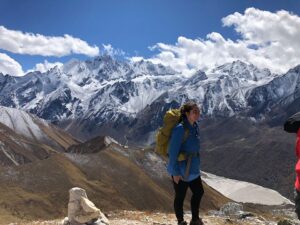
Langtang National Park has a massive range of Central Himalayan peaks, namely the Langtang Lirung, the highest at 7,234 m/23,734 feet. Includes Langtang Ri 7,205 m/23, 638 feet), Dorje Lakpa 6,966 m/22,854 feet, and Loenpo Gang
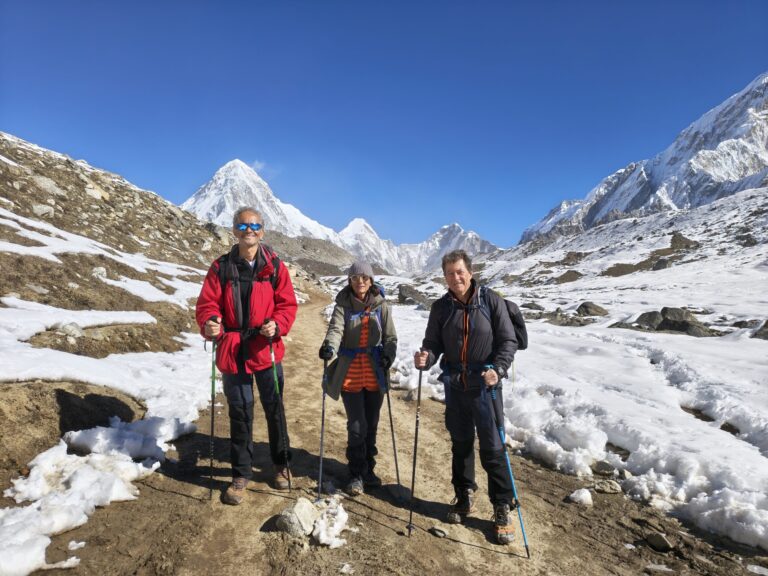
at 6,979 m/22,897 feet. Langtang National Park is also famous and popular for trekking peaks like Yala Peak and Naya Kanga. Which is below 6,000 meters, makes an ideal introduction to mountaineering for beginners as well as expert climbers.
Langtang National Park Features:
The park with the central Himalayas provides two major river systems that originate from the glaciers of the Langtang Himal. Later, it drains west to the Trisuli River and the Sun Koshi River in the east and has many tributaries and glacial lakes.
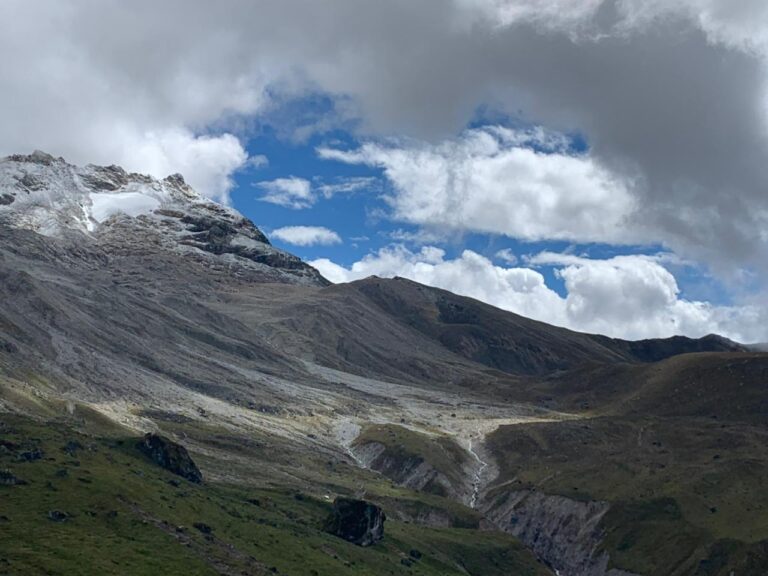
The dramatic topography of landscapes with dramatic changes in weather patterns makes a unique, wide spectrum of vegetation. It includes a small portion of sub-tropical forest below 2,000 m. Above 2,000-meter temperate forests are lined with oak, pine, fir and rhododendrons, and hemlock with juniper trees and bushes.
Above 3,000 meters, the tall trees drop to alpine scrub and grasses, and then to bare rocks and the snow line. Langtang National Park, with approx. 25% areas are habitat by different species of mountain wildlife. Such as wild dog, wolf, the rare and elusive red papikas, pika, and musk deer. The Himalayan black bear and Himalayan thar, goral, and serow also exist with the rhesus monkey and common langurs.
Higher areas above 4,000 m, bsnow leopardsd Snow Leopard are also found to exist but are rarely seen. Langtang National Park is also a good habitat for 250 different species of bird life.
History and Culture Around Langtang National Park:
Langtang National Park has approx 45 villages; the main town and headquarters of the Rasuwa district is Dhunche at 1,950 m. The Tamang people are interwoven with Tibetan Buddhism as well as practicing Shamanism and Bon cultures. Bon is the ancient sect before the Buddhist religion was introduced in Tibet around the 7th century by king Song Tsen Gampo.
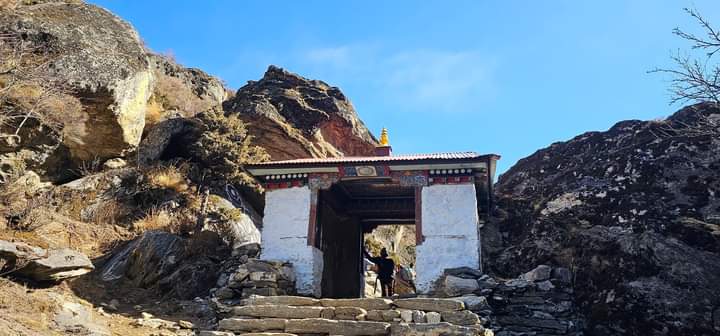
Which was around late 7th and early 8th centuries, he formed the Nyinpa sect of Buddhism, the Red Hat. Every monastery is adorned with Shakyamuni, the present Lord Buddha statue, with an idol of Saint Padmasamba. All houses are festooned with Buddhist prayer flags, adorned with religious monuments of stupas and mani-prayer walls.
The name ‘Langtang,’ of Tibetan origin, means ‘where the ox follows’; later, the Central Himalaya changed to ‘Langtang Himal.’ The high Langtang Valley was at one time a huge pasture field for yaks and cattle for grazing. Including horses known as Tibetan ponies, in the last past decades, the natives settled around Langtang Valley. At present, Kyanjin Gompa is the main highlight destination for trekkers, located in the heart of the picturesque Langtang Valley.
Popular Trekking Destinations Around Langtang National Park:
Langtang National Park is characterized by its amazing and scenic landscapes and an enchanting forest. The warm traditional hospitality of the locals, including picturesque scenery, makes Langtang one of the most popular adventure destinations.
The highest point is Kyanjin Gompa at 3,870 m / 12,697 feet. The walk starts and ends in Syabrubesi, located on the roadhead. A weeklong trek of 7 nights and 8 days with drives both ways from Kathmandu to Syabrubesi and back. The walk covers a distance of 65 km/40 miles. Not adding an extra optional hike to Kyanjin-Ri or Tserko-Ri.
The other exciting and scenic adventure around Langtang National Park is connecting Langtang Valley with the Gosainkunda trek.
The trek first takes you to Langtang Valley at Kyanjin Gompa, after enjoying a rest day exploring the viewpoints. The trek follows the eastern ridges of Langtang
Himal to Gosainkunda, regarded as the holiest pilgrimage site, especially for Hindus. Gosainkunda is at 4,381 m / 14,375 feet high, a serene and lovely holy spot. From Gosainkunda, trekkers can enjoy the adventure crossing over
4,609 m / 15,100 ft high pass. On top of Gosainkunda Pass or East Laurabinaya-La, then walk back to the rim of Kathmandu Valley. A trek of a little less than two weeks duration, with a drive both ways.
The other exclusive trek is Tamang Heritage Trail, following the elusive path seldom ventured by a few groups of trekkers. An exciting cultural and scenic walk of a week from one traditional farm village to another lovely settlement.
The walk takes you to the highest spot at Nagethali Ridge, 3,300 m/10,825 feet, which offers a grand Himalayan vista. Includes views of Langtang, Ganesh, and Manaslu Himal, with some mountains of Tibet across the border.
Food and Accommodation Around
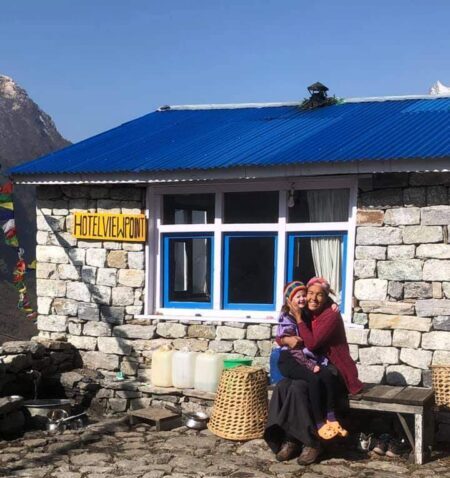
On trekking routes, it offers nice, simple lodge accommodation. Includes good food from breakfast and snacks to lunch and dinner, with common toilets and bathrooms. Most lodges serve warm and cold refreshment drinks, served in a nice and cozy dining room with a fireplace. The popular national food is Nepali Dal Bhat, boiled or steamed rice. Served with mild curry, seasonal vegetables, and Dal, a lentil bean soup with pickles.
Breakfast from oats porridge and cereals to cornflakes with toast/ chapattis and pancakes includes a choice of egg variation. Lunch and Dinner from Continental, Chinese, Indian, Nepali, and Tibetan main courses with a choice of soups.
The lodge accommodation and food are of moderate standard. The lodge accommodations from Syabrubesi, Lama Hotel, and Langtang Village are simple with nice rooms. All lodges have electricity to light the large dining room, powered by local hydro or solar power. Most places at present do have internet and Wi Fi services, which are available at an extra cost.
FAQs
How difficult is the Langtang National Park trek for beginners?
The Langtang trek is a moderate-level trek suitable for beginners with basic fitness. It involves 5–7 hours of walking daily and reaches altitudes above 3,800 meters at Kyanjin Gompa. No technical climbing is required, but altitude gain and uphill sections can feel demanding. With proper pacing, rest, and acclimatization, most first-time trekkers can complete it successfully without major issues.
How many days are required for the Langtang National Park trek?
A standard Langtang National Park trek takes 7 to 10 days, depending on the route and itinerary. The classic Langtang Valley trek usually takes 7–8 days, while extensions like the Tserko Ri viewpoint or Gosainkunda Lake add more days. The duration includes travel from Kathmandu, trekking days, acclimatization stops, and the return journey, making it a complete Himalayan experience within a short timeframe.
What is the best time to visit Langtang National Park?
The best time to visit Langtang National Park is during spring (March–May) and autumn (September–November). These seasons offer stable weather, clear mountain views, and comfortable trekking conditions. Spring is known for blooming rhododendrons and greenery, while autumn provides the clearest skies and best visibility of Langtang Himalayan peaks.
How much does Langtang National Park trekking cost?
The cost for Langtang National Park is USD 19.70.
Do I need a guide for the Langtang National Park trek?
A guide is not mandatory but highly recommended for safety and convenience. The trail is generally well-marked, but remote sections and altitude risks make guided trekking beneficial. A local guide helps with navigation, cultural insights, emergency support, and logistics, especially for first-time trekkers or those unfamiliar with high-altitude trekking.
Is Langtang National Park safe after the earthquake?
Yes, Langtang National Park is completely safe for trekking today. After the 2015 earthquake, the region was rebuilt with improved infrastructure, restored trails, and stronger community-based tourism systems. Local teahouses and trekking routes are operational, and thousands of trekkers visit the region safely every year.
What is Langtang National Park famous for?
Langtang National Park is famous for being the closest Himalayan trekking region to Kathmandu, offering a mix of glaciers, alpine valleys, and rich Tamang culture. It is also known for rare wildlife like the red panda, sacred sites such as Kyanjin Gompa and Gosainkunda Lake, and its diverse landscapes ranging from subtropical forests to high alpine terrain.