Manaslu Circuit Trek Packing List
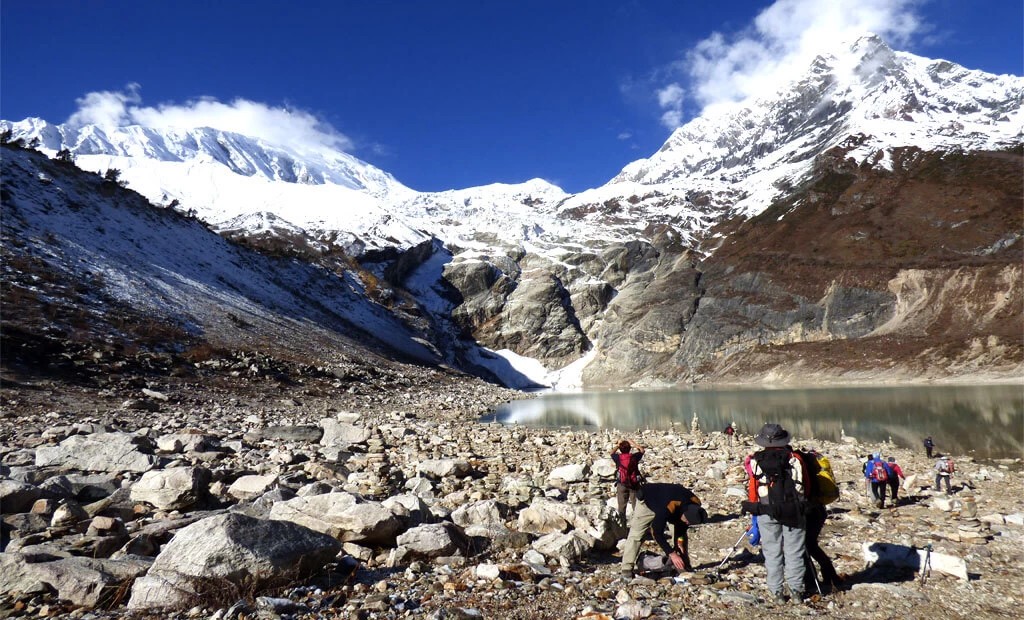
This detailed guide is designed to help you properly plan and prepare your Manaslu Circuit Trek packing list, ensuring a safe, comfortable, and well-organized trekking experience in the Himalayas.
The Manaslu Circuit Trek, organized by Himalayan Friendly along with its experienced guides and support staff, offers a carefully managed Himalayan adventure. With professional care, local expertise, and friendly hospitality, the journey becomes not only safe but also deeply enriching and memorable throughout the trek.
The Manaslu Circuit Trek circles the majestic Manaslu Himal, located in the northwestern part of Nepal in the Gorkha District within the Gandaki Province. This region lies along the historic Trans-Himalayan Salt and Caravan Trade Route that once connected Nepal with Tibet, making the trail rich in cultural and historical significance.
In earlier times, this route was actively used by caravans of mules, horses, and yaks carrying goods across the borderlands. These traditional trade routes passed through the Upper Manaslu Valley, which today forms part of the trekking trail. The journey offers views of Mt. Manaslu, which stands at 8,163 meters (26,781 feet) and ranks as the world’s eighth-highest peak, located within the Manaslu Himal range.
The region is surrounded by other major Himalayan ranges, with Ganesh Himal to the east and the Annapurna and Lamjung Himal ranges to the west. To the northwest of Manaslu lies the culturally significant Tsum Valley, known for its ancient Buddhist heritage and isolation.
The Upper Manaslu region remained restricted for many years after the 1960s, especially following the geopolitical changes after Tibet became part of mainland China. Due to its sensitive border location between Nepal and Tibet, the area remained closed to foreign visitors until 1991. During that time, trekking infrastructure such as trails, bridges, and lodges, was extremely limited. As tourism gradually increased, the region developed, and trekking routes became more structured and accessible.
In recent years, the Manaslu trekking route has seen significant development. New lodges and guesthouses have been established along major overnight stops, offering improved accommodation, meals, and hospitality services while still maintaining the traditional Himalayan experience.
Although the Upper Manaslu region is now open to foreign trekkers, it remains a restricted area trek in Nepal. Special permits are required, particularly from Jagat Village onwards until crossing the high Larke La Pass (5,160m), which leads into the Manang region. All trekkers must obtain these permits through a registered trekking agency, ensuring regulated access and environmental preservation of this sensitive Himalayan region.
Preparation For Manaslu Circuit Trek:
To properly prepare for the Manaslu Circuit Trek packing list, it is important to gather accurate information from reliable sources such as trekking guides, official itineraries, and trusted travel platforms. This helps you clearly understand the trekking route, level of difficulty, altitude gain, and risks such as acute mountain sickness (AMS). It also gives you useful insight into local culture, weather conditions, and overall trip expenses, all of which are essential for planning a safe and well-organized trek.
Most Manaslu Circuit itineraries require around 12 nights and 13 days of trekking from Kathmandu to Kathmandu, so travelers should plan for at least a two-week time frame, including arrival and departure. Before the trek, it is important to be physically prepared with regular walking, jogging, or hiking practice, as the route includes long ascents and descents in high-altitude terrain. Travel and medical insurance are strongly recommended, as weather conditions can change quickly in the Himalayas, sometimes leading to delays, route changes, or emergency evacuations, including helicopter rescue in severe cases.
Quick Essential Packing Checklist (Manaslu Circuit Trek)
The essential Manaslu Circuit Trek packing checklist includes a proper layering clothing system, broken-in waterproof trekking boots, a -10°C to -20°C sleeping bag, an insulated down jacket, trekking poles, a headlamp, sun protection gear, a water purification system, a basic first aid kit (including altitude sickness awareness meds), quick-dry thermal layers, and a waterproof outer shell.
This is the minimum practical gear setup experienced trekkers rely on to handle the Manaslu Circuit’s altitude range (700m to 5,160m at Larkya La Pass), cold nights, and remote teahouse conditions safely.
Core Clothing System (Essential Layering)
- Base layers (thermal top and bottom, moisture-wicking, avoid cotton)
- Mid-layer fleece or lightweight insulated jacket
- Outer shell jacket (waterproof and windproof, breathable fabric preferred)
- Quick-dry trekking pants (two pairs recommended)
- Insulated down jacket (-10°C to -20°C comfort rating for high altitude nights)
- Wool trekking socks (4–6 pairs for rotation and hygiene)
- Lightweight gloves and insulated gloves for high passes
- Warm fleece hat and buff or neck gaiter for wind protection
Proper layering is critical because temperatures can shift from warm valleys to freezing conditions within a few days of trekking.
Footwear and Blister Protection (High Priority Section)
- Waterproof trekking boots with ankle support (must be broken in before trek)
- Camp shoes or sandals for teahouse use and foot recovery
- Blister prevention tape or patches (strongly recommended)
- Optional extra insoles for long descents
Footwear failure is one of the most common reasons trekkers struggle, especially on the descent from Larkya La Pass.
Backpack and Load System
- 50–65L main backpack with rain cover
- 20–30L daypack for daily essentials
- Dry bags or ziplock bags for organizing and waterproofing gear
A controlled load is important. The recommended carried weight is around 10–12 kg, excluding porter load to maintain endurance at altitude.
Sleeping and Cold Weather Gear
- Four-season sleeping bag rated -10°C to -20°C minimum
- Sleeping bag liner for added warmth and hygiene
- Lightweight travel pillow (optional, but improves recovery)
Teahouse blankets become unreliable at higher elevations, especially after Samdo.
Trekking Equipment and Safety Tools
- Trekking poles for stability and knee protection
- Headlamp with extra batteries for power outages and early starts
- Two water bottles or a hydration bladder system
- Water purification tablets or a portable filter
Safe hydration becomes important as bottled water availability decreases after Jagat and becomes expensive at higher altitudes.
Health, Hygiene, and First Aid Kit
- Blister care kit (tape, antiseptic, bandages)
- Pain relief medication (paracetamol or ibuprofen)
- Oral rehydration salts for fatigue and dehydration
- Altitude sickness medication (Diamox only under medical advice)
- Wet wipes and toilet paper
- Hand sanitizer
Altitude symptoms commonly appear between 3,000m and 3,500m, particularly around Namrung and Samagaun.
Sun, Wind, and Weather Protection
- UV protection sunglasses (high-altitude rated)
- Sunscreen SPF 50+
- Lip balm with UV protection
- Waterproof outer shell jacket
UV exposure increases significantly at higher elevations due to thinner atmosphere and reflection from snow.
Electronics and Practical Essentials
- Power bank (10,000–20,000 mAh recommended)
- Charging cables and Nepal-compatible plug adapter
- Smartphone with offline maps installed
- Small notebook for notes, contacts, and permits
Charging facilities become limited and expensive in higher villages.
Things To Know For Manaslu Circuit Trek:
The Manaslu Circuit Trek is a restricted trekking route in Nepal, which means independent or solo trekking is not permitted. All trekkers must travel with a registered trekking agency and be accompanied by a licensed guide. Companies like Himalayan Friendly provide experienced guides and support staff based on group size to ensure safety, navigation, and proper acclimatization throughout the journey.
Before planning your trek, always check the best time for the Manaslu Circuit Trek, with the ideal seasons being spring (March–May) and autumn (September–November). During these months, weather conditions are stable, mountain views are clear, and trail accessibility is at its best. Autumn is especially popular due to dry weather and excellent visibility of peaks like Mt. Manaslu (8,163m).
The trek also includes a porter support system, where porters typically carry 15–25 kg of baggage per trekker, allowing you to focus on a lighter daypack with essentials such as water, snacks, and personal items. The remaining luggage is transported between teahouses and returned to you at each overnight stop. This system is standard across high-altitude treks in Nepal, including routes in the Gorkha District and surrounding Himalayan regions.
Trekking permits are mandatory and act as your legal access documents for the region. For the Manaslu Circuit, you will need restricted area permits such as the Manaslu Restricted Area Permit (RAP), along with conservation permits like the MCAP (Manaslu Conservation Area Permit). These permits are arranged through your trekking agency. Important documents, passports, and valuables can be safely stored in hotels in Kathmandu or managed by the trekking company. Many agencies also provide duffel bags and gear, like branded trekking bags, for convenience.
If you are new to trekking, it is recommended not to rush into longer or more demanding Himalayan routes. Starting with guided treks such as the Manaslu Circuit is ideal, as it allows you to experience altitude trekking gradually while being supported by professionals.
Packing List For Manaslu Circuit Trek:
The Manaslu Circuit trek Packing lists for the Manaslu area are also useful for the other treks around the Himalayan regions. Himalayan Friendly will provide lodging, three meals a day, a sleeping bag, a duffel bag, and a down jacket. Apart from the list of items and gear to bring.
- Travel Documents and Cash:
A passport should be valid for a minimum of 6 months for a valid visa. Keep the passport and needed documents handy. Required, at the airport counter and immigration. Carrying a few photocopies of your documents will be very handy in getting your permits, local SIM card, etc. 4–8 copies of photos the size of a passport (required when purchasing a local SIM card or getting permits at some trekking trails).
At least $200 to $300 in cash, as most teahouses and cafes on the Manaslu trekking trail will not accept cards. On trekking routes, you won’t find any ATMs or other services. Instead of your passport, you can use any other valid ID as well as the trekking permits.
- Clothing for Manaslu Circuit Trekking:
Around the Himalayas and the Manaslu region, nearly all seasons with cold temperatures. Especially during the morning before the sun comes, late afternoon, and nighttime. Spring and autumn are the best seasons, from March to May and September to early November. The lower valley and mid-hills can be hot with a sub-tropical climate. But from Jagat onwards and above 1,800 m, one can feel the cold temperature during the trek.
Laundry services are not available when leaving Kathmandu need to bring enough clothes to last for two weeks.
- Headwear: Hats with a brim or a sun cap:
Hats with a wide brim to protect ears, neck, and face from the strong sun and UV rays. It will keep you safe from being sunburned, as well as from dehydration and getting headaches from the direct sunlight.
- Bandanna or Head Scarf:
It protects you from dust and cold wind depending upon the weather and altitude wise. The trekking trails in some areas are dusty, bandana or scarf will be very useful.
- Woolen tops for evening and night time:
Around the higher altitudes, it gets really cold at night. To stay warm in the cold weather, you will need a warm fleece or knit woolen hat. You will need a proper scarf to keep your neck warm, cover your mouth, and keep your lips from getting cold. We recommend a scarf to keep your throat from getting dry air and dust.
- Headlamps:
Very handy, during evening and dark area, including the nights, sometimes the trek starts early morning. Needs the support of a headlamp, some lodge rooms do not have much light powers. As a safety measure, we suggest that you bring extra batteries for the headlamps/ torch.
- Sunglasses or Goggles:
The walk takes you above 3,000 meters high, during the day the sun can be bright due to thin air. The direct sunlight with strong UV (Ultra Violet) can easily burn the skins and effect the eyes with glare. As well as to protect from the bright reflection on snows, which can lead to snow blindness. Best to wear polarized sunglasses with UV protection.
- Trekking Gear and Equipment:
The items on the packing list, includes sleeping bags, clothes, and other normal accessories. It will be in a duffle bags, carried by porter, mules or yaks sometimes. Most of the time, duffle bags are easier to pack and unpack, it should be comfortable for porters to carry.
- Four Seasons Sleeping Bags:
If it is not provided by the company, as included or excluded on the trip cost packages. Better to carry your own sleeping bags, which is safe and hygienic than using the lodge blankets. Make sure that you get a high-insulation down sleeping bag that keeps you warm against the wind chill and snowstorms. Himalayan Friendly also provides you a good sleeping bag, if you have not brought or rented.
- Trekking/ Ski Poles (Collapsible):
Trekking, or known as Ski poles, is a big support, especially when climbing on steep ups and going downhill. Provides good balance and stability as you climb up the snowy ridge, much better for downhill. Saves you from getting sore knees and muscle cramps.
- Backpack/Rucksack (30–35L):
For your personal necessary items for the day treks, all needs a good and comfortable daypack. Bigger the better to carry water bottles, camera, cell phone, snacks, wet tissues, wallet, and other accessories. We recommend a 30–35L daypack with a hip belt for support and an inner frame for comfort.
Travel Documents, Permits & Cash Requirements (Manaslu Circuit Trek Packing List)
To trek the Manaslu Circuit, you must carry a valid passport (minimum 6 months validity), obtain mandatory restricted area permits (Manaslu RAP + MCAP), bring passport-sized photos, and carry sufficient cash ($200–$300 USD equivalent), as there are no ATMs along the entire trekking route.
These are essential entry requirements for the Manaslu Conservation Area, and without them, trekking beyond Jagat is not allowed.
Key Requirements for Manaslu Circuit Trek
- Passport validity: Must be valid for at least 6 months from your entry into Nepal
- Restricted area permits: Manaslu Restricted Area Permit (RAP) and Manaslu Conservation Area Permit (MCAP)
- Passport photos: Carry 4–6 copies for permits and local registration needs
- Cash requirement: Carry $200–$300 USD equivalent in Nepali rupees for food, lodging, charging, and personal expenses
- ATM availability: No ATMs on the entire Manaslu trekking route, so cash is essential from start to finish
Practical Trekking Insight
Permit checks are conducted at several points, such as Jagat, Namrung, and Samagaun before entering deeper into the restricted zone. Always keep your permits and passport copies in your daypack for easy access during checkpoints.
From trekking experience, cash preparation is just as important as gear selection. Once you leave Kathmandu, the entire Manaslu region operates on a fully cash-based system with no banking facilities, so proper financial planning ensures a smooth and stress-free journey.
Trekking Accessories:
- Cover for Backpack (Optional):
To keep your backpack or rucksack dry, and from dirt. - Stuff Sacks, Dry Bags, and Ziploc Plastic Bags:
On treks, most lower mid-hill can get rain sometimes even in the best time of the season for trekking. In keeping your backpack or duffel bags dry, with items inside. Use stuff sacks or Ziploc bags to put clean clothes in one place, and dirty clothes in another. You can also use these bags to wrap all your clothes or other electronics to protect them from the rain. - Bottle of water Sigg or Nalgene:
Trekkers needs to bring a reasonable size water bottle, for the trek and carry during the day. Bring two Nalgene or Sigg light metal bottles or similar. You can fill these bottles with boiling water, and at night and use them as hot water bags to keep warm. As well as for drinking, when on trekking. - Note books & Diary:
After the day treks, at leisure time, you might want to write about the day events and activities. So that you remember the places of good and hard times on Manaslu Circuit Trekking. Catching all the memories on the dairy or notebooks, as well as address of other group members. Including guides and staff or even of local villagers that you had interact.
FAQs
What is the essential packing list for Manaslu Circuit Trek?
The essential packing list includes thermal base layers, fleece or insulated jacket, waterproof outer shell, trekking boots, sleeping bag (-10°C to -20°C), trekking poles, gloves, headlamp, sunglasses, sunscreen, and a first aid kit. These items are necessary for handling cold temperatures, altitude changes, and remote teahouse conditions.
How cold does it get at Larkya La Pass?
Temperatures at Larkya La Pass (5,160m) can drop between -10°C to -20°C, especially in early morning and winter seasons. Wind chill makes it feel even colder, so proper insulation layers and a down jacket are essential.
Can I rent trekking gear in Kathmandu?
Yes, you can rent trekking gear in Kathmandu, including sleeping bags, down jackets, trekking poles, and backpacks. Shops in Thamel offer both budget and high-quality rental options, making it convenient for trekkers who don’t want to carry gear from home.
What is the ideal backpack weight for the Manaslu trek?
The ideal backpack weight for the Manaslu Circuit Trek is around 10–12 kg (excluding porter load). Carrying more than this can cause fatigue, especially on long ascents and high-altitude sections like Samdo and Larkya La Pass.
Do I need crampons for the Manaslu Circuit Trek?
Crampons are not required during the main trekking season (spring and autumn), but they may be useful in early winter or if heavy snow covers Larkya La Pass. Most trekkers do not use them unless conditions are icy.
Is a sleeping bag necessary for Manaslu trek?
Yes, a four-season sleeping bag rated between -10°C and -20°C is highly recommended for the Manaslu Circuit Trek. Teahouse blankets are not reliable at higher altitudes like Samagaun and Samdo, especially during cold nights.