When to Trek Annapurna Base Camp?
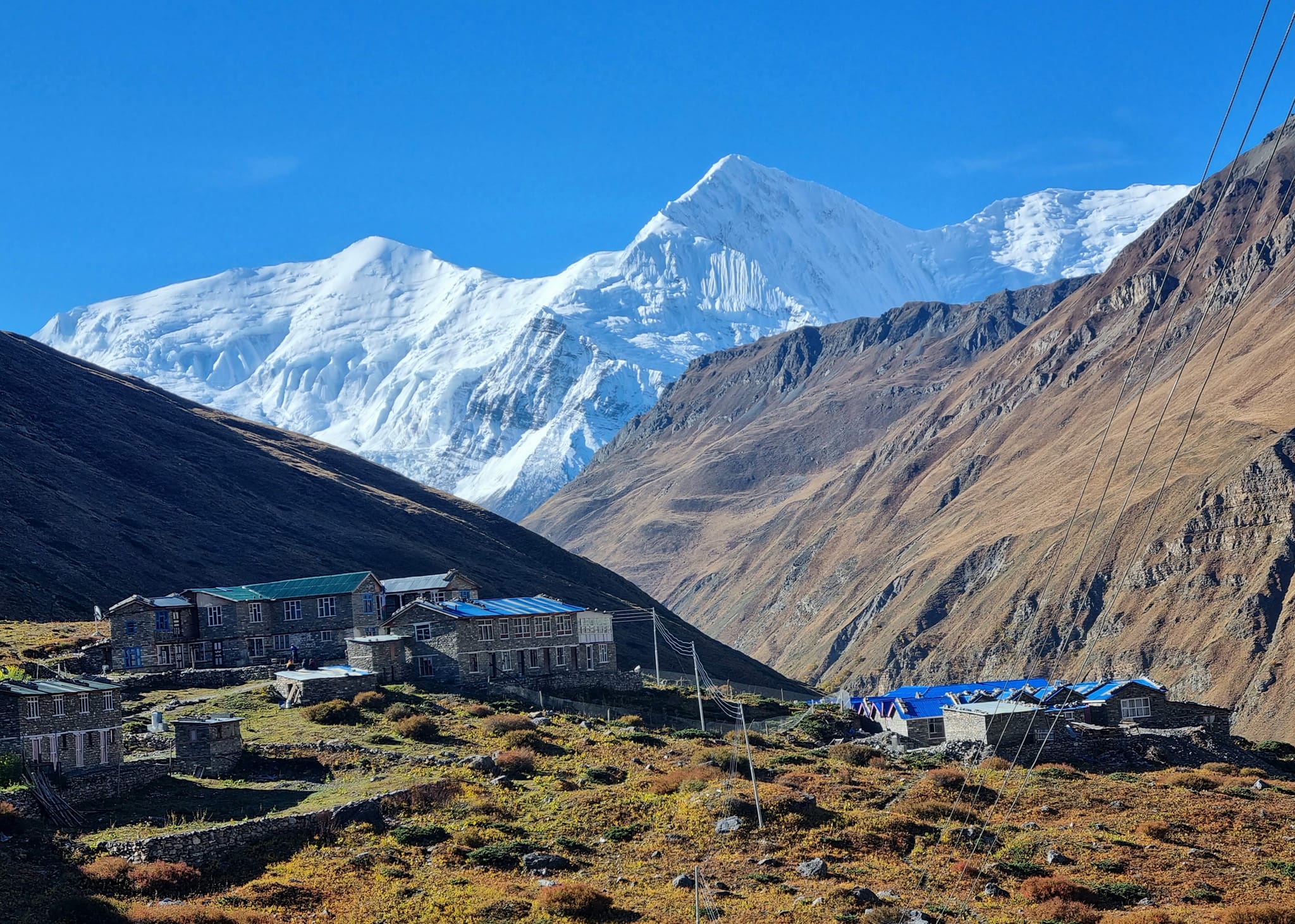
Annapurna Base Camp Trekking, where interested travelers will be surprised on reaching the base of the Annapurna Himalayas. Covering in a short time, the whole trip in a week’s duration without a problem of catching high-altitude sickness. It happens in most of the world’s highest base camp trekking adventures, in comparison with Annapurna Base Camp treks.
Best Time to Trek Annapurna Base Camp
- Best overall: Spring (March–May) and Autumn (September–November)
- Best months: April and October
- Best for clear mountain views: October and November
- Best for fewer crowds: Late November and early March
- Best for snow experience: January–February (with proper preparation)
- Worst time: July–August (monsoon season with heavy rain and poor visibility)
Why Spring and Autumn Work Best
During spring, the Annapurna region comes alive. Forests below Annapurna Base Camp are covered in blooming rhododendrons, temperatures are comfortable, and visibility is generally reliable. April, in particular, offers a near-perfect balance—clear mornings, vibrant landscapes, and manageable trail conditions.
Autumn, especially October, is what most experienced trekkers aim for. After the monsoon clears the dust and pollution, the mountains appear incredibly sharp. Views of peaks like Annapurna I and Machapuchare are at their absolute best. Trails are dry, and the overall trekking experience feels more predictable.
When to Trek Annapurna Base Camp?
Annapurna Base Camp is the highest point of this adventure, reaching a height of 4,130 m/13,550 feet. Located amidst a beautiful sanctuary known as the country of mountain spirits, surrounded by towering snow-capped peaks.
The Annapurna Base Camp trek is one of the most popular treks in the Himalayas. So, more than 100,000 people go for the ABC trek every year. Spring and autumn are the best times to trek because of pleasant weather and clear skies. But the crowd this time is inescapable. So, if you don’t mind cold weather, winter is the best season to avoid crowded trails and enjoy stunning mountain views. During the monsoon, mountain views may get obstructed, and trails are slippery.
Every season has its pros and cons. So, please go through the brief overview of each season and decide the best time for yourself as per your trekking style and preference, like when to trek to Annapurna Base Camp.
Spring (March to May)
Annapurna Base Camp Trek (ABC Trek) is neither too hot nor too cold in spring (March, April, and May). The sky is clear during this season, and you can have uninterrupted views of the stunning Himalayan ranges. There is a chance of rainfall in the spring, but it rarely lasts long. For a springtime climb to Annapurna Base Camp, it will be a good idea to carry a lightweight raincoat. The haze may also obscure views of the mountains. The national flower of Nepal, the Rhododendron, blooms during spring, and the pathways will soon be carpeted in vibrant blossoms. Rhododendron and other wildflowers in shades of red, yellow, pink, and white make the trail attractive, and tiredness vanishes in the stunning view of mesmerizing landscapes.
The trail will be crowded, as the weather is great and many people plan for the trek during this season. You will meet people from all over the world on the trek. You will enjoy the trek if you enjoy interacting with others and befriending strangers. However, it might be a little challenging if you’re hoping to trek in solitude.
- Day Temperature: 16 to 22 degrees Celsius (61 to 71 degrees Fahrenheit)
- Night Temperature: 2 to 3 degrees Celsius (35 to 37 degrees Fahrenheit)
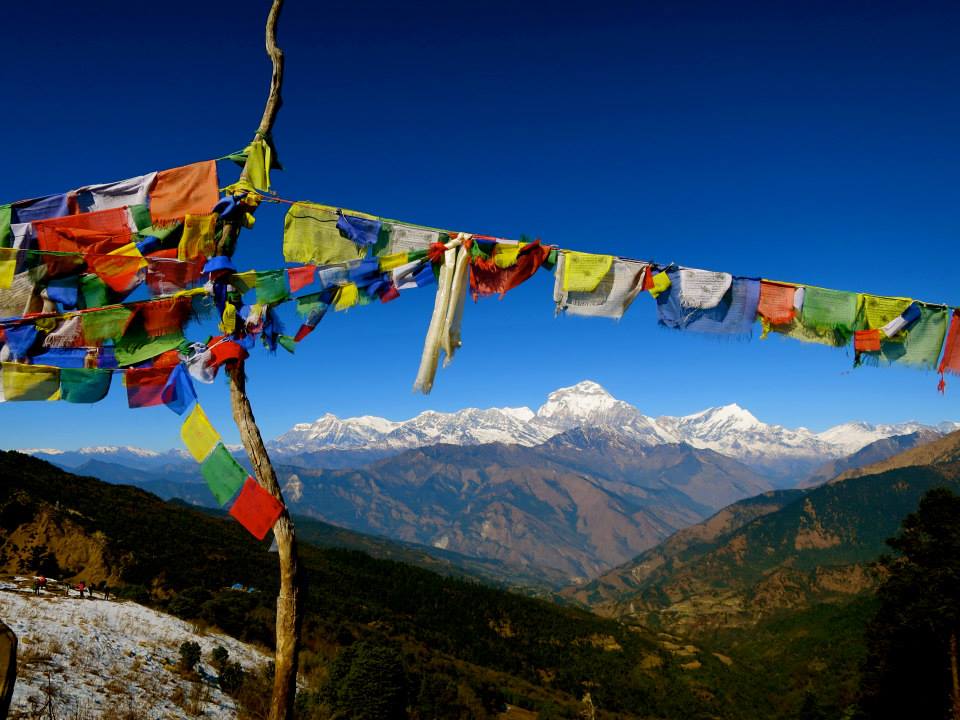
Summer (June to Mid-September)
It will be challenging to hike in the heat of summer. Clouds obscure the stunning views of the snow-covered mountains. The trails get muddy and slippery because of the frequent rain, raising the possibility of injuries. If you are planning to go on a trek during the summer, be prepared for the leeches and always carry a first-aid kit with you. You need to have the proper gear for a summer trek, including a hardshell rain jacket.
As you trek to a higher altitude, your hardshell rain jacket will provide warmth when the temperature drops.
Since many trekkers avoid summer treks, you will get to enjoy a trek in solitude or get to keep the trails to yourself.
- Day Temperature: 20 to 25 degrees Celsius (68 to 77 degrees Fahrenheit)
- Night Temperature: -1 to 3 degrees Celsius (30 to 37 degrees Fahrenheit)
Autumn (Mid-September to November)
In the autumn, the sky will be clear and visibility is excellent. There is little probability of rain because the weather is dry. You will enjoy the unobstructed views of the breathtaking Himalayas and trek in pleasant weather. The morning and night will be a little chilly while the days are warm and sunny. Thousands of trekkers go to the Annapurna Base Camp as it is the good season in Autumn ( September, October and November). The trails will be congested, making it hard to travel in seclusion.
However, if you enjoy socializing and exchanging stories with new people, you will have a wonderful day. You will encounter hikers from all over the world and from various backgrounds and cultures. It would be a great opportunity to learn about the cultures of different corners of the world. Strangers can be your lifelong friends during treks in Nepal.
- Day Temperature: 12 to 22 degrees Celsius (53 to 71 degrees Fahrenheit)
- Night Temperature: -3 to 4 degrees Celsius (26 to 39 degrees Fahrenheit)
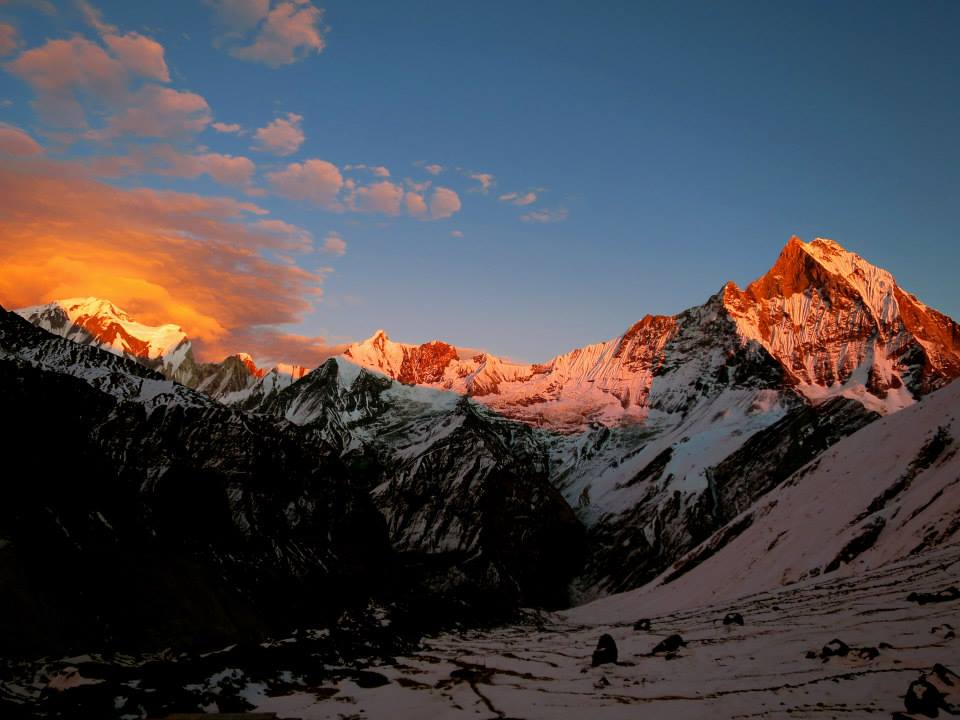
Winter (December to February)
Winter days are mild, but during the coldest months, the temperature goes below freezing point at night. Visibility is excellent during winter, and you can take a breathtaking view of the Himalayan ranges. While the mornings can be foggy, the day eventually clears up. Trekking is best done in the early winter or just before a major snowfall. However, avalanches are more likely to occur in the late winter and the trail may be covered in snow.
The best part about trekking in winter is that the trails are less crowded than in any other season. You don’t need to worry about lodging in winter and can even enjoy off-season discounts.
- Day Temperature: 1 to 9 degrees Celsius (33 to 549 degrees Fahrenheit)
- Night Temperature: -10 to -15 degrees Celsius (14 to 5 degrees Fahrenheit)
Trekking around the famous Annapurna Sanctuary is a truly astonishing experience. It will, with no doubt, stay with you forever. So you need to pick up the right gear according to the season you are planning the trek. As the weather fluctuates in the Himalayas during the year, make sure you go through our packing guide to make the most out of the trek.
Month-by-Month Guide to Trek Annapurna Base Camp
The best months to trek to Annapurna Base Camp are April, October, and November for clear mountain views, stable weather, and safe trail conditions, while June to August should be avoided due to monsoon rain and poor visibility.
| Month | Conditions | Crowd | Recommendation |
|---|---|---|---|
| March | Start of trekking season, mild weather, some haze | Medium | Good |
| April | Stable weather, rhododendron bloom, clear views | High | Excellent |
| May | Warmer temperatures, slight haze at lower altitudes | Medium | Good |
| June | Beginning of monsoon, increasing rainfall | Low | Avoid |
| July | Heavy rain, slippery trails, leeches | Very low | Avoid |
| August | Peak monsoon, poor visibility | Very low | Avoid |
| September | Rain reduces, greenery at peak, improving views | Medium | Good |
| October | Clear skies, best mountain visibility | Very high | Excellent |
| November | Dry weather, stable conditions, cooler nights | Medium | Excellent |
| December | Cold mornings, clear skies, fewer trekkers | Low | Okay |
| Jan–Feb | Snowfall, extreme cold at higher altitude | Very low | Challenging |
What This Means for Planning
- Spring (March–May) offers the best mix of weather and scenery, especially with blooming rhododendrons in April.
- Autumn (September–November) provides the clearest mountain views, with October being the peak trekking month.
- Monsoon (June–August) brings heavy rain, landslides, and poor visibility, making trekking risky.
- Winter (December–February) is quieter but colder, with snow affecting higher sections near base camp.
FAQs
What is the best month for the Annapurna Base Camp trek?
October and April are the best months for the ABC trek, offering clear skies, stable weather, and the most reliable mountain views.
Can beginners trek ABC in winter?
Yes, beginners can trek in winter, but it is more challenging due to cold temperatures and snow. Proper gear, good preparation, and flexibility in the itinerary are essential.
Is the monsoon dangerous for the ABC trek?
Yes, monsoon season (July–August) is risky due to heavy rain, landslides, slippery trails, and poor visibility. It is generally not recommended.
Which season has the best mountain views?
Autumn (September–November) offers the clearest mountain views, especially in October and November after the monsoon clears the air.
How cold does it get at Annapurna Base Camp?
Temperatures at Annapurna Base Camp can drop to around -10°C in winter, while spring and autumn nights typically range between -5°C and 5 °C.