Langtang Valley Trek Difficulty
The difficulty level of Langtang Valley Trek depends upon its grades, routes, and terrains, with elevation gain. Nevertheless, all Himalayan landscapes appear the same, with steep ups and downs and a few gradual sections. However, Langtang Valley trekking routes are much easier and more straightforward than those in other mountainous regions around the Himalayas.
The distance of Langtang trek from Kathmandu is very near, taking around 5 hours, which is 141 km. The difficulty level of Langtang Valley trekking leads to moderate adventures with a slight touch of high altitude. It is a great, wonderful alpine country walk, suitable for all age groups.
As well as for beginners interested in trekking around the Himalayas. The altitude gains on the Langtang Valley Trekking rise gradually in pace as you progress on daily walks. On these treks, trekkers can acclimatize slowly to the high altitude, blending well with the mountainous surroundings.
This makes the difficulty level of Langtang Valley trekking much lower than other high-altitude Himalayan destinations. Trekkers can enjoy daily walks of an average of 5-6 hours to designated overnight stops. The itinerary planned by Himalayan Friendly Adventures makes the adventure more altitude-friendly and enjoyable.
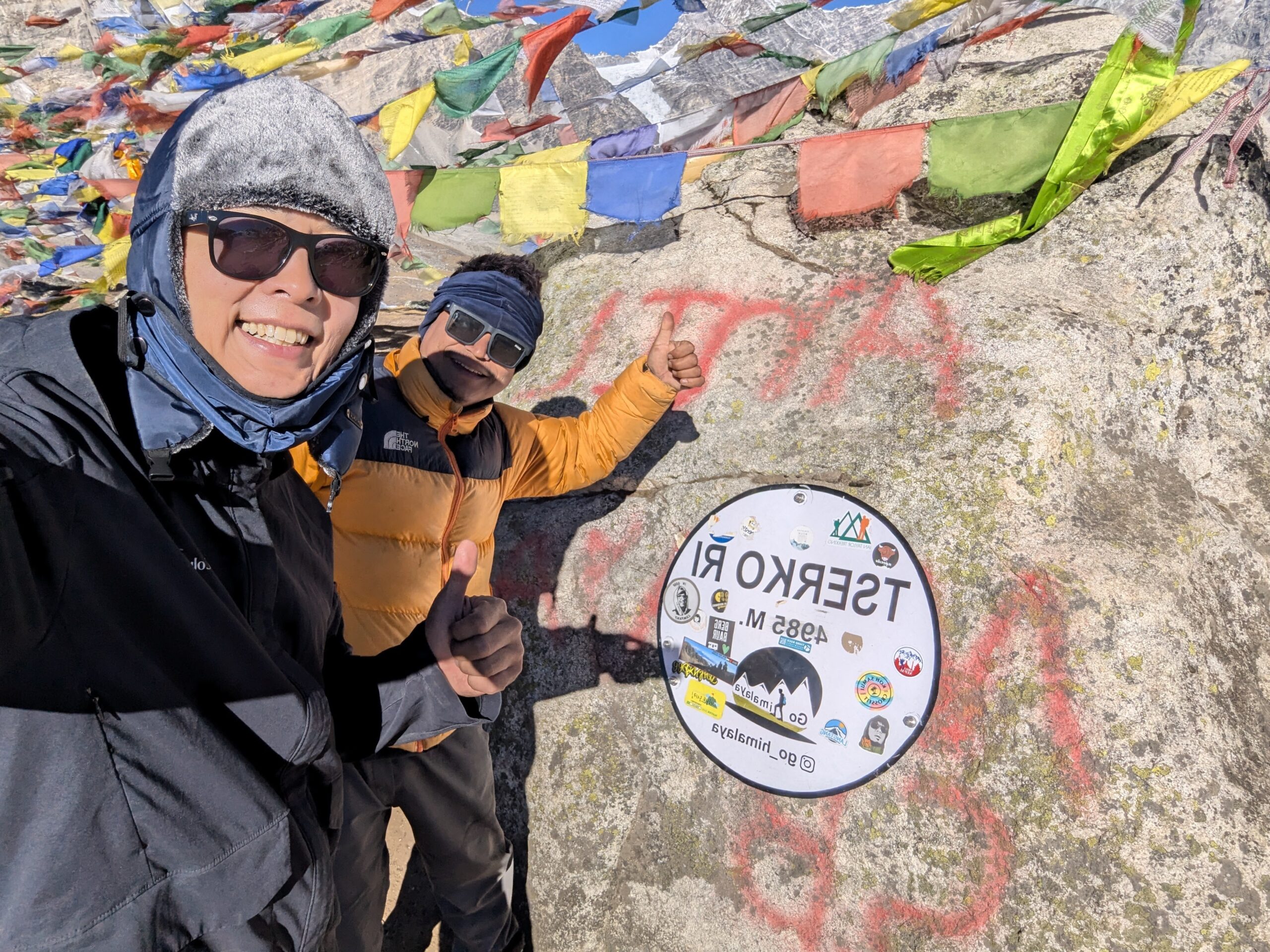
The guide and trekking staff also make the trek more exciting throughout the trek. Will overcome the few difficult sections on walks, especially with uphill climbs and on free days at Kyanjin Gompa. Where you have options for the steep climb to Kyanjin or Tserko-Ri high ridge top. The stunning viewpoints that Langtang Valley has to offer on these wonderful moderate adventures.
The Route and Trail on Daily Walks to the Langtang Valley Trek.
Difficulty level on the Langtang Valley Trek to encounter, on daily walks wise to the terrains and altitudes. Some trekkers might feel uneasy driving for long 5-6 hours covering a distance of approx. 140 kilometers/87 miles. It also depends on transportation options for a regular local bus, private coach, car, or four-wheel drive. The overland journey is necessary to reach the start of the trek, as well as the end of returning to Kathmandu.
Travelers need to cope with the situation, and an easy and enjoyable drive costs more for better transport. Like a 4WD Jeep or Land Cruiser, it will make the journey much more comfortable, reaching Syabrubesi. The starting and ending points of the Langtang Valley trek are completed in a week’s time frame. So, following the itinerary will be helpful for safe travel without any obstacle.
The route is straightforward following the HF guide, with many climbs on the first few days. To reach Kyanjin Gompa, located in the scenic Langtang Valley at 3,870 m/12,697 feet. Kyanjin Gompa is the final destination on the Langtang Valley trek; the return journey is much more pleasant on a long descent. The trail from Syabrubesi follows to Lama Hotel and Langtang Village towards Kyanjin Gompa. To enjoy the rest day and to marvel at the glorious vista, with options for hiking and climbing. These two viewpoints are popular Kyanjin Ri 4,773 m and Tserko Ri (5,033 m) to capture the Central Himalayan ranges.
Food and Accommodation en Route to Make the Treks Enjoyable:
Food and lodge accommodation on overnight stops are important to most trekkers. Not all travelers are aware of what to expect, but for one’s delights even though this remote Himalayan settlement. Provide an excellent food menu to choose from, as well as some fresh home bakeries products at Kyanjin Gompa. Most of the lodges in route have rooms with common bathrooms and toilets.
Only a few places provide rooms with attached baths and toilets, it is due to harsh terrains and cold climatic conditions. It can make some trekkers uncomfortable, to cope with the small rooms. But trekkers need to understand the situations, that you are trekking in the remote corners of the Himalayas. The food and accommodation also depend on the trip cost, from budget to standard lodges. As well as for single room supplement, as most trips cost the rooms are on twin sharing basis. Make sure if the cost for trek is affordable for you or not before visiting.
The Seasons To Choose From Also Make The Treks More Delightful:
The difficulty of Langtang Valley trekking or any other adventures around the Himalayas is booking at the right seasons with Himalayan Friendly. Choosing the best times for Langtang Valley Trek makes your tour more delightful, enjoying the perfect temperatures. Nepal with four main seasons: spring, summer/monsoon (wet months of June to August), autumn/fall, and winter.
The spring of March to May is one of the best seasons; days are much warmer and have longer sunshine hours. It is a perfect time to ease difficulties for some trekkers, with pleasant temperatures to cover the average distance of walking. In springtime, the hills and valleys are lively with wildflowers, are around in season, the magnolia and rhododendrons. A paradise for nature and flower lovers to enjoy the trek during springtime from March to May.
The next best season is autumn/fall, from September to November, an enjoyable time for scenic walks and views. However, with cold mornings and the late afternoon till nighttime, most days are bright with sunshine. It is the right time for some trekkers who find the walks quite difficult. But the views of the surrounding scenery make the difference, healing the tiredness from day walks.
Trekkers can also venture during the winter of December to February, the low season for trekking in the Nepal Himalayas. Despite the cold mornings, late afternoons, and nights, most days are crystal clear with blue skies.
The low and off-season of winter will be the best for fortrekkers whoo want to avoid the mass groups of travelers. Coming across only a few trekkers, the lodges will be quite empty with only a few travelers.
During winter, expect snowfall sometimes from 2,000 meters above, which makes the whole scenario different from high season. Days are short with limited sunshine hours, with late sunrises and early sunsets with freezing temperatures.
But an enjoyable and exciting season of winter trekking to Langtang Valley with fewer trekkers. This leads to a pleasant walk; the only difficulty is reaching the designated overnight stops before it gets dark.
Conclusion:
Difficulty in Langtang Valley Trekking entirely depends on the trekker’s aspects. Langtang Valley is a moderate-grade walk; all trekkers have to be moderately physically fit and in sound medical health. The rest is the itinerary chosen; non-outdoor types of people can request customized or tailor-made itineraries also. It will be suitable for all visitors, having enough time to marvel at the views with fewer hours on trial of walking.
FAQs
Is the Langtang Valley Trek difficult for beginners?
Langtang Valley Trek is moderate in difficulty and suitable for beginners with basic fitness. The main challenge is altitude above 3,000m rather than technical climbing. With a steady pace and proper acclimatization, most first-time trekkers can complete it without major issues.
How many days is the Langtang Valley Trek?
The Langtang Valley Trek usually takes 7 to 10 days, depending on the itinerary and acclimatization schedule. Most standard trekking plans are around 8 days, which provides a balanced pace and better altitude adjustment.
What is the hardest day of the Langtang Valley Trek?
The hardest day is the ascent from Lama Hotel to Langtang Village due to steady uphill climbing. For many trekkers, the optional hike to Kyanjin Ri is also very challenging because of the steep gradient and thin air at higher altitudes.
Can I do the Langtang Valley Trek without training?
Yes, it is possible, but some basic preparation is strongly recommended. Regular walking, light cardio, or stair climbing for a few weeks before the trek helps reduce fatigue and makes the experience much easier and more enjoyable.
Is altitude sickness common in Langtang?
Altitude sickness can occur since the trek reaches nearly 3,870 meters at Kyanjin Gompa. However, most cases are mild and preventable with slow ascent, proper hydration, and adequate rest during the journey.
How many hours do you walk per day on the Langtang Trek?
Trekkers typically walk around 5 to 7 hours per day. Some shorter sections may take 3 to 4 hours, while steeper or higher-altitude days can take longer depending on pace and weather conditions.
Is Langtang easier than Everest Base Camp?
Yes, the Langtang Valley Trek is generally easier than the Everest Base Camp Trek. It is shorter in duration, has a lower maximum altitude, and requires less physical endurance, making it more suitable for beginners.
What is the maximum altitude of the Langtang Valley Trek?
The highest point of the trek is Kyanjin Gompa at 3,870 meters. Optional viewpoints like Kyanjin Ri at 4,773 meters offer higher elevation but require more effort and fitness